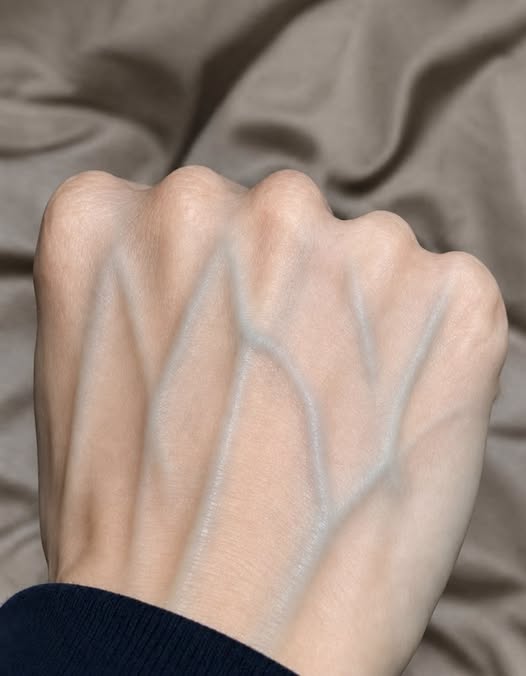
What Visible Veins on Your Hands Really Mean — And When They Could Be Worth Discussing With a Doctor
Have you ever looked down at your hands and noticed that the veins seem more visible than they used to be?
Perhaps the veins appear raised, blue or green, especially across the backs of your hands. Sometimes they become much more noticeable after exercise, during warm weather, or when your hands are hanging below the level of your heart.
It is easy to see a change like that and immediately wonder whether it could be a sign of an underlying health problem.
One question that frequently comes up online is whether prominent veins on the hands could indicate kidney disease.
The short answer is that visible hand veins, by themselves, are not a reliable way to determine whether your kidneys are healthy or unhealthy.
There are many ordinary reasons veins become more noticeable, including age, body composition, genetics, physical activity, temperature, hydration and the natural structure of the skin and tissues.
At the same time, kidney disease can sometimes cause visible changes elsewhere in the body, particularly when kidney function becomes significantly impaired. Those changes are generally related to fluid retention and other effects of reduced kidney function rather than simply having prominent veins on your hands.
Understanding the difference is important.
A visible vein isn’t automatically a warning sign, but persistent or unexplained changes in your health should not be ignored.
Why Do the Veins on Your Hands Become More Visible?
The veins on the backs of the hands sit relatively close to the surface of the skin.
Unlike deeper veins, these superficial veins can sometimes be easy to see even in completely healthy people.
Several factors can make them stand out.
1. Aging
As people get older, skin gradually becomes thinner and loses some of the fullness it had when they were younger.
The layer of tissue beneath the skin can also change.
As a result, veins that were always present may become easier to see.
This is one of the most common explanations for increasingly prominent hand veins.
It does not necessarily mean that something is wrong.
2. Low Body Fat
People with less subcutaneous fat may naturally have more visible veins.
There is simply less tissue between the skin and the veins, making the underlying blood vessels easier to see.
This can be particularly noticeable on the hands, arms, shoulders and legs.
Again, visible veins alone aren’t evidence of disease.
3. Exercise
Physical activity temporarily changes blood flow and circulation.
During exercise, muscles require more oxygen and nutrients, and blood flow increases. Veins can consequently appear fuller or more prominent.
Someone who regularly lifts weights, runs, cycles or participates in other forms of exercise may notice much more visible veins than they did before becoming physically active.
Usually, the veins become less prominent after the body returns to its normal resting state.
4. Heat
Temperature can also affect how noticeable veins appear.
In warmer conditions, blood vessels near the surface of the skin can widen as the body works to release heat.
That can make superficial veins easier to see.
This is why someone might notice prominent veins after spending time outdoors on a hot day or taking a warm shower.
5. Genetics
Some people simply have more visible veins than others.
Family traits influence skin thickness, body composition and the structure and location of blood vessels.
If prominent hand veins have been common among family members for years, genetics may be a much more likely explanation than an underlying kidney condition.
6. The Position of Your Hands
Gravity matters, too.
When your hands hang down for an extended period, blood can temporarily collect in the veins of the hands and arms.
The veins may look fuller.
If you raise your hands, the appearance may change.
This temporary difference is generally normal.
Can Hand Veins Reveal Kidney Problems?
This is where it is important to separate an interesting observation from a medical diagnosis.
Prominent veins on your hands are not considered a dependable sign of kidney disease.
The kidneys perform several important jobs, including filtering waste products from the blood, helping regulate fluid balance, contributing to blood-pressure regulation and supporting the body’s electrolyte and acid-base balance.
When kidney function becomes impaired, a person may eventually develop symptoms related to these functions.
But those symptoms are not usually diagnosed by looking at the veins on the hands.
A doctor evaluates kidney health using a combination of medical history, physical examination and laboratory testing.
Common tests can include blood tests that assess kidney filtration and urine tests that look for signs such as albumin or other abnormalities.
That distinction is important because kidney disease can sometimes develop without obvious symptoms.
In other words, normal-looking hands do not guarantee healthy kidneys, and visible hand veins do not prove that kidney function is impaired.
Why Kidney Disease Can Cause Visible Changes
Although prominent hand veins aren’t a specific kidney warning sign, advanced kidney problems can affect the appearance of the body in other ways.
One important example is fluid retention.
Healthy kidneys help maintain the body’s fluid balance. When kidney function is significantly reduced, the body may have difficulty removing excess sodium and fluid.
This can contribute to swelling, medically known as edema.
Swelling may occur in the feet, ankles, legs, hands or around the eyes, depending on the situation.
That is very different from simply having visible veins.
A person might have prominent veins because of thin skin or low body fat, while another person might have swollen hands because of fluid accumulation.
The two appearances should not automatically be interpreted as the same thing.
What Are Some More Meaningful Signs of Kidney Disease?
Kidney disease can be difficult to recognize because early stages may cause few or no noticeable symptoms.
When symptoms do occur, they can vary depending on the cause and severity of the kidney problem.
Possible symptoms include:
- Swelling in the ankles, feet, legs or around the eyes
- Changes in urination
- Urinating more or less often than usual
- Foamy or unusually bubbly urine
- Blood in the urine
- Persistent tiredness
- Difficulty concentrating
- Muscle cramps
- Dry or itchy skin
- Nausea or reduced appetite
- Shortness of breath, particularly when fluid buildup is significant
- High blood pressure
None of these symptoms automatically means a person has kidney disease.
Many can occur for numerous other reasons.
However, persistent or unexplained symptoms deserve medical attention, especially when several occur together.
Foamy Urine Can Be More Relevant Than Visible Veins
One change people sometimes overlook is urine that consistently appears unusually foamy.
Occasional bubbles can be completely normal. They can occur because of the speed of urination, the toilet water or other harmless factors.
Persistent excessive foaming, however, can sometimes be associated with protein in the urine.
Protein in the urine, particularly albumin, can be a sign of kidney damage.
That does not mean everyone who sees foam has kidney disease.
The important point is that urine testing can provide much more useful information about kidney health than trying to interpret the appearance of veins.
A healthcare professional can order an appropriate urine test when necessary.
Changes in Urination Should Also Be Considered
Your kidneys produce urine, so significant changes in kidney function can sometimes affect urination.
Someone might notice:
- A significant change in how frequently they urinate
- Waking frequently at night to urinate
- Blood-colored or unusually dark urine
- Persistent foamy urine
- Difficulty urinating
- A noticeable reduction in urine output
There are many possible explanations for these changes, including dehydration, medications, urinary-tract problems and other conditions.
For that reason, symptoms should be evaluated in context rather than interpreted as proof of kidney disease.
Swelling Is Different From Prominent Veins
This distinction deserves special attention.
Imagine that someone notices that the veins across their hands have become easier to see.
They might assume the change means their body is retaining fluid or that their kidneys aren’t working properly.
But fluid retention generally produces swelling, not simply more visible veins.
Swollen hands may look puffy or feel tight. Rings may become more difficult to remove. The skin can appear stretched.
Prominent veins, on the other hand, may simply look raised beneath the skin.
In some circumstances, both can occur at the same time, but one does not automatically cause the other.
If your hands are genuinely swollen and the change is persistent or unexplained, that is more useful information to discuss with a healthcare professional than the visibility of your veins alone.
When Should You Be Concerned About Changes in Your Hands?
Most visible hand veins aren’t an emergency.
Still, there are situations where a new or unusual change deserves professional evaluation.
Consider speaking with a healthcare professional if you notice:
- Sudden swelling of a hand or arm
- Significant pain or tenderness
- Redness or warmth over a vein
- A major change affecting only one arm
- Skin discoloration
- Persistent swelling
- Shortness of breath occurring alongside unexplained swelling
- A sudden change in urine output
- Blood in your urine
- Persistent foamy urine
- Severe or unexplained fatigue
The reason for seeking care isn’t necessarily that the veins indicate kidney disease.
Rather, the combination of symptoms may point toward a condition that deserves evaluation.
Who Is More Likely to Develop Kidney Disease?
Certain health conditions and risk factors can increase the likelihood of chronic kidney disease.
These include:
Diabetes
Diabetes is an important risk factor for kidney disease because persistently elevated blood glucose can damage the small blood vessels and filtering structures within the kidneys over time.
People with diabetes are commonly monitored for kidney complications through blood and urine testing.
High Blood Pressure
High blood pressure can damage blood vessels throughout the body, including the small vessels inside the kidneys.
At the same time, kidney disease can contribute to high blood pressure.
That relationship makes blood-pressure management particularly important for people at increased risk.
Family History
A family history of kidney disease can increase an individual’s risk depending on the specific condition involved.
Some kidney disorders are inherited.
If close relatives have had significant kidney problems, discussing that history with a healthcare professional can be useful.
Older Age
The risk of many chronic health conditions, including chronic kidney disease, increases with age.
That doesn’t mean kidney disease is inevitable.
Regular health checks become increasingly valuable as people get older.
Cardiovascular Disease
Conditions affecting the heart and blood vessels can be associated with kidney problems.
The kidneys depend on a healthy blood supply to function properly.
Certain Medications and Other Conditions
Some medications, medical conditions and episodes of severe illness can affect kidney function.
The risk depends heavily on the specific circumstances.
People should not stop prescribed medication because they are worried about their kidneys without first speaking with their healthcare professional.
How Doctors Actually Check Kidney Function
If you’re concerned about your kidneys, laboratory testing is far more informative than examining your hands.
A healthcare professional may order blood and urine tests depending on your symptoms and risk factors.
Blood Tests
One commonly measured substance is creatinine.
Creatinine is a waste product produced by normal muscle metabolism. The kidneys normally remove it from the bloodstream.
When kidney filtration declines, blood creatinine can rise.
Healthcare professionals can use creatinine together with other information to estimate how effectively the kidneys are filtering blood.
This is often reported as the estimated glomerular filtration rate, commonly called eGFR.
Urine Tests
Urine testing can look for substances that shouldn’t be present in significant amounts.
One particularly important measurement is albumin.
An elevated amount of albumin in urine can be a sign of kidney damage.
Depending on the circumstances, a healthcare professional may recommend a urine albumin-to-creatinine ratio or another appropriate urine test.
These tests provide objective information that a person’s appearance cannot.
Why Online Health Claims Can Be Misleading
Health information spreads quickly online.
A photograph showing prominent veins on someone’s hand may be accompanied by a headline suggesting that the veins are revealing an important hidden disease.
The problem is that the appearance of a body part can have dozens of explanations.
A visible vein can be completely normal.
The same is true for many other physical features that social media posts sometimes present as diagnostic clues.
Healthcare professionals generally don’t diagnose kidney disease simply by looking at whether someone’s hand veins are prominent.
Diagnosis relies on symptoms, medical history, examination and appropriate testing.
That doesn’t mean you should ignore changes in your body.
It means the changes need to be interpreted correctly.
Your Hands Can Tell You Something — But Context Matters
Paying attention to your body is a good habit.
If you notice that your veins are more visible than before, you can ask yourself a few simple questions.
Have you recently lost weight?
Have you started exercising more?
Has the weather become warmer?
Are your hands usually hanging down when you notice the change?
Have the veins always been somewhat visible?
Are both hands affected similarly?
Are there other symptoms, such as swelling, pain or changes in urination?
These questions provide much more useful context.
A gradual increase in vein visibility in both hands in an otherwise healthy person is generally very different from sudden swelling and pain in one arm.
Don’t Diagnose Yourself From a Single Physical Feature
One of the biggest problems with health-related content online is the tendency to turn an isolated observation into a diagnosis.
A person sees a change.
They search for it.
They find a list of diseases.
Then they begin to associate the change with the most serious possibility.
This can create unnecessary anxiety.
A more useful approach is to look at the entire picture.
If your hands have visible veins but you feel well and have no other concerning symptoms, there may be no reason to assume that you have kidney disease.
If you have visible veins along with persistent swelling, changes in urination, unexplained fatigue or other symptoms, talk with a healthcare professional.
The difference is context.
Healthy Habits That Support Kidney Health
Although visible hand veins aren’t a reliable measure of kidney function, there are practical steps that can support overall kidney health.
Manage Blood Pressure
Keeping blood pressure within the range recommended by your healthcare professional can help protect the kidneys and cardiovascular system.
Manage Blood Sugar
For people with diabetes, maintaining blood glucose within individualized treatment goals is an important part of reducing the risk of complications.
Stay Physically Active
Regular physical activity supports cardiovascular health and can contribute to maintaining a healthy weight.
Avoid Smoking
Smoking can damage blood vessels and increase the risk of cardiovascular disease, which is closely connected to kidney health.
Be Careful With Medications
Some medicines can affect the kidneys, particularly in certain circumstances.
Nonprescription pain relievers, for example, aren’t automatically harmless simply because they are available without a prescription.
If you have kidney disease or are at increased risk, ask a healthcare professional or pharmacist whether particular medications are appropriate for you.
Keep Routine Medical Appointments
If you have diabetes, high blood pressure, cardiovascular disease, a family history of kidney problems or another risk factor, routine monitoring can help identify problems earlier.
The Bottom Line
Seeing prominent veins on the backs of your hands can certainly catch your attention.
But visible hand veins alone are not a reliable indicator of kidney disease.
They may become more noticeable because of normal factors such as aging, genetics, body composition, exercise, temperature and hand position.
Kidney disease is better assessed through symptoms, risk factors and medical testing, including appropriate blood and urine tests.
If you notice swelling, significant pain, changes in urination, persistent foamy urine, blood in your urine, unexplained fatigue or other ongoing symptoms, speak with a healthcare professional.
And if you simply notice that the veins on your hands are more visible than they used to be, don’t immediately assume the worst.
Sometimes a visible vein is simply a visible vein.
The most important lesson is to look at the whole picture rather than treating one physical feature as a diagnosis.