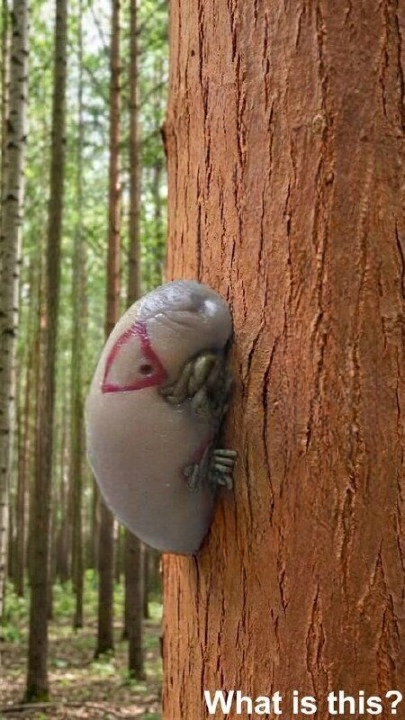
Unexpected Encounters With Wildlife: How Discovering Unfamiliar Creatures Can Change the Way We See Nature
Nature has an extraordinary ability to surprise us, often when we least expect it.
A quiet walk through a woodland path, an afternoon spent working in the garden, or a simple trip outside after a rainfall can suddenly become an unforgettable experience. Sometimes, all it takes is noticing a small creature moving through the grass or discovering an unfamiliar animal resting near a tree.
At first, the encounter might create surprise, curiosity, or even uncertainty. We may wonder what the creature is, where it came from, and whether it is safe to approach.
These moments remind us that the natural world is full of life that often goes unnoticed.
From tiny insects and colorful butterflies to unusual reptiles, amphibians, and small mammals, countless species share the environments in which people live. Some are familiar, while others remain mysterious even to people who regularly spend time outdoors.
An unexpected wildlife encounter can therefore become much more than a passing observation. It can inspire people to learn about biodiversity, understand the importance of different species, and develop a greater appreciation for the natural environment.
This article explores how small encounters with unfamiliar creatures can change our perspective, why wildlife deserves respect, and how everyone can enjoy discovering nature responsibly.
1. Nature Often Surprises Us When We Least Expect It
Most people have experienced a moment when something unusual catches their attention outdoors.
Perhaps a colorful insect lands on a flower, a small lizard moves quickly across a stone, or a bird appears in an unexpected place.
These moments are often brief, but they can leave a lasting impression.
Unlike planned visits to wildlife parks or nature reserves, unexpected encounters happen naturally.
They remind us that nature does not follow our schedules.
Animals move according to their own needs, searching for food, finding shelter, protecting themselves, and interacting with their surroundings.
A garden that appears completely still may contain dozens of different organisms.
A fallen tree can provide shelter for insects, fungi, and small animals.
Even a small patch of grass can become an important habitat for creatures that depend on plants, soil, and moisture.
The more carefully we observe our surroundings, the more life we begin to notice.
2. Why Unfamiliar Creatures Capture Our Attention
Humans are naturally curious about things they do not immediately recognize.
When we encounter an unfamiliar animal, our first reaction may involve several questions.
What species is it?
Is it dangerous?
Why is it here?
What does it eat?
How does it survive?
These questions are a natural part of learning about the world.
Unfamiliar creatures can be especially interesting because they challenge our expectations.
A small insect may have unusual colors or patterns.
A harmless reptile may move in a way that seems unfamiliar.
An amphibian may appear after rainfall and disappear again when conditions change.
Sometimes, the animal is simply a species we have never noticed before.
Curiosity can encourage us to research the creature, learn about its habitat, and understand its role in the ecosystem.
Instead of reacting with fear or immediately assuming that an unfamiliar animal is harmful, taking a moment to observe from a safe distance can lead to a much more rewarding experience.
3. The Hidden Wildlife Living Around Our Homes
Many people imagine wildlife as something found only in distant forests, mountains, or national parks.
In reality, animals live in environments much closer to us.
Backyards, parks, gardens, balconies, and even urban green spaces can support a surprising variety of species.
Depending on the region, these environments may attract:
- Butterflies and moths.
- Bees and other pollinating insects.
- Ladybugs and beetles.
- Small lizards.
- Frogs and toads.
- Garden birds.
- Hedgehogs.
- Squirrels.
- Earthworms and other soil organisms.
Each species has its own needs and behaviors.
Some depend on flowering plants for food.
Others search for insects, seeds, or small animals.
Certain creatures prefer damp environments, while others are better adapted to dry and sunny locations.
The presence of wildlife around homes demonstrates that even small green spaces can contribute to biodiversity.
By paying attention to these visitors, people can discover an entire natural world that may have been present all along.
4. Why Rainy Weather Often Brings Animals Into View
Have you ever noticed that certain creatures seem to appear more frequently after rainfall?
There is a scientific reason why this happens.
Rain changes the conditions of the environment.
It increases moisture in the soil, creates temporary puddles, and influences the availability of food.
For some animals, wet conditions provide opportunities to move around more comfortably.
Earthworms, for example, may appear on the soil surface after heavy rain.
Amphibians such as frogs and salamanders often become more active when moisture levels increase.
Some insects also change their behavior depending on temperature and humidity.
However, not every animal responds to rainfall in the same way.
Some seek shelter, while others become more active.
These changes provide an excellent opportunity to observe how weather influences wildlife.
A rainy afternoon can therefore reveal creatures that might remain hidden during dry conditions.
5. Every Creature Has a Role in the Natural Environment
One of the most important lessons from wildlife encounters is that every species plays a role in its ecosystem.
Even animals that appear small or insignificant may contribute to important natural processes.
For example, bees and butterflies help pollinate flowering plants.
Earthworms contribute to soil health by breaking down organic material and improving soil structure.
Certain insects help control populations of other organisms.
Birds can spread seeds and contribute to the balance of local ecosystems.
Predators also play important roles by helping regulate populations of prey species.
These relationships form interconnected systems.
When one species disappears or becomes significantly less common, other organisms may be affected.
This is why biodiversity is so important.
A healthy ecosystem depends on the interaction of many different species, each contributing in its own way.
Understanding these connections helps people appreciate creatures that might otherwise be overlooked.
6. Learning to Observe Wildlife Without Disturbing It
Discovering an unfamiliar animal can create excitement, especially when the creature appears close enough to observe clearly.
However, responsible wildlife observation requires patience and respect.
The safest approach is usually to watch without touching or disturbing the animal.
Wild creatures may become frightened when people approach too closely.
Some may react defensively, while others may abandon important shelter or feeding areas.
Young animals can be especially vulnerable to disturbance.
When observing wildlife, consider these simple guidelines:
- Maintain a respectful distance.
- Avoid attempting to pick up unfamiliar animals.
- Do not block an animal’s path.
- Keep pets under control.
- Avoid making loud noises.
- Never damage nests or shelters.
- Use a camera with a zoom feature instead of approaching closely.
- Leave the animal’s natural environment undisturbed.
These habits help protect both people and wildlife.
They also make observation more enjoyable because animals are more likely to continue their natural behavior when they are not disturbed.
7. Why Some Creatures Look Frightening Even When They Are Harmless
Not every animal has an appearance that immediately makes people feel comfortable.
Some insects have unusual body shapes.
Certain reptiles have scales, unusual eyes, or rapid movements.
Other creatures may produce sounds that people do not recognize.
These characteristics can create fear or uncertainty.
However, appearance alone does not determine whether an animal is dangerous.
Many harmless species have developed unusual physical features as a way to survive.
Bright colors may help warn predators that an animal is unpleasant to eat.
Camouflage can help creatures blend into their surroundings.
Spines, shells, and defensive behaviors may protect animals from predators.
These adaptations are part of the remarkable variety found in nature.
Instead of judging an unfamiliar creature based entirely on its appearance, it is better to learn about the species and its behavior.
If identification is uncertain, avoid touching it and consult a reliable wildlife guide or local expert.
8. The Importance of Understanding Insects
Insects are among the most diverse groups of animals on Earth.
They can be found in nearly every terrestrial environment and perform many important ecological functions.
Despite their importance, insects are sometimes viewed primarily as unwanted visitors.
However, many species contribute significantly to healthy ecosystems.
Pollinating insects help plants reproduce.
Predatory insects can reduce populations of agricultural pests.
Decomposer species help break down organic material.
Other insects provide food for birds, amphibians, reptiles, and mammals.
Without insects, many natural food webs would be severely affected.
Some species can also provide useful information about environmental conditions.
For example, the presence or absence of particular insects may help researchers understand changes in habitat quality.
Learning to appreciate insects can change how people view the small creatures they encounter in gardens and parks.
Rather than seeing every insect as a problem, it becomes possible to recognize the ecological value of many species.
9. Butterflies and the Beauty of Biodiversity
Few insects attract as much positive attention as butterflies.
Their colorful wings and delicate movements make them popular subjects for nature photography.
However, butterflies are more than beautiful visitors.
They also contribute to pollination and form part of larger food webs.
Their life cycle is particularly fascinating.
A butterfly begins life as an egg.
It then develops into a caterpillar, enters the pupal stage, and eventually emerges as an adult butterfly.
Each stage involves different physical characteristics and needs.
Caterpillars often depend on particular host plants for food.
Adult butterflies may feed on nectar from flowering plants.
This connection demonstrates why healthy plant communities are important for supporting wildlife.
Planting native flowers and avoiding unnecessary pesticide use can help create environments where butterflies and other pollinators can thrive.
10. The Fascinating World of Amphibians
Frogs, toads, and salamanders are among the most interesting creatures people may encounter outdoors.
Amphibians have special relationships with water and moisture.
Many species begin their lives in aquatic environments before developing into adults that can spend time on land.
Their life cycles often involve significant physical changes.
Frogs, for example, typically develop from eggs into tadpoles before gradually developing legs and adult characteristics.
Amphibians can also be sensitive to environmental changes.
Their permeable skin and dependence on suitable moisture conditions make them vulnerable to pollution, habitat destruction, and climate-related changes.
For this reason, scientists often monitor amphibian populations as part of broader environmental research.
If someone encounters a frog or salamander in a garden, the best approach is to observe without handling it.
These animals may be important residents of the local ecosystem.
11. Why Reptiles Deserve Respect and Protection
Reptiles sometimes create strong reactions because of their appearance and movement.
Snakes, lizards, turtles, and other reptiles have developed a wide variety of adaptations that allow them to survive in different environments.
Some prefer dry, sunny habitats.
Others live near wetlands, forests, or rocky areas.
Lizards often help control insect populations, while snakes can contribute to maintaining ecological balance by feeding on rodents and other animals.
Although some reptiles can be dangerous, many species are harmless and generally avoid human contact.
The important thing is to avoid handling unfamiliar reptiles.
Never attempt to capture or move an unknown snake.
If one appears in an area where people may be at risk, contact a qualified wildlife professional or the appropriate local authority.
Respecting reptiles helps reduce unnecessary fear and prevents dangerous interactions.
12. Birds Are Important Indicators of a Healthy Environment
Birds are among the most visible forms of wildlife.
Their songs, colors, and movements make them familiar parts of parks, gardens, and countryside environments.
However, birds also provide important ecological benefits.
Some species pollinate plants.
Others disperse seeds.
Many help control insect populations.
Birds of prey contribute to regulating populations of smaller animals.
Their presence can also provide information about environmental conditions.
Changes in bird populations may reflect habitat loss, pollution, climate changes, or shifts in food availability.
People can support local bird populations by maintaining suitable natural spaces and providing native plants.
If bird feeders are used, they should be cleaned regularly and filled with appropriate food.
It is also important to avoid disturbing nests, especially during breeding seasons.
13. How Gardens Can Become Small Wildlife Habitats
A garden does not need to be large to support biodiversity.
Even a modest outdoor space can provide food, shelter, and water for different organisms.
One way to support wildlife is by planting native flowers and shrubs.
Native plants are often better adapted to local environmental conditions and can provide food for insects and other animals.
Other helpful measures include:
- Planting flowers that provide nectar.
- Keeping some areas of natural vegetation.
- Avoiding unnecessary pesticide use.
- Providing suitable water sources.
- Leaving safe natural hiding places.
- Reducing excessive outdoor lighting.
- Avoiding the removal of every fallen leaf or branch.
A garden designed with biodiversity in mind can become a valuable small habitat.
It may attract butterflies, bees, birds, and other creatures.
These visitors can also provide opportunities for children and adults to learn about nature.
14. What Children Can Learn From Wildlife Encounters
Unexpected wildlife encounters can be valuable educational experiences for children.
A small insect discovered in the garden can inspire questions about biology, habitats, and animal behavior.
A bird building a nest can introduce discussions about reproduction and parental care.
A butterfly emerging from its chrysalis can demonstrate the remarkable process of metamorphosis.
These experiences can make science more interesting because children are observing real examples rather than only reading about them.
Parents and teachers can encourage curiosity by helping children identify species using reliable books and educational resources.
However, children should also learn that wild animals are not toys.
They should never attempt to catch or handle unfamiliar creatures without appropriate adult guidance and expert advice.
Teaching respect for wildlife helps develop empathy and environmental responsibility.
15. The Role of Wildlife Photography in Understanding Nature
Photography has changed the way people discover and appreciate wildlife.
A camera allows observers to record details that might otherwise be missed.
Close-up photographs can reveal patterns, colors, body structures, and other features that help identify species.
Photography also encourages patience.
Instead of immediately approaching an animal, photographers often wait for the creature to move naturally.
This can lead to better images and a less disturbing experience for the animal.
Modern smartphones have made nature photography accessible to more people.
However, responsible photographers should avoid disturbing nests, chasing animals, or entering sensitive habitats.
A good wildlife photograph should capture nature without causing unnecessary stress.
Images can also help researchers and conservation organizations monitor species when collected and shared responsibly.
16. How Technology Helps Identify Unfamiliar Creatures
Today, people have access to many digital resources that can help identify unfamiliar animals.
Wildlife identification applications allow users to compare photographs with information about known species.
Online field guides provide descriptions of habitats, behavior, and physical characteristics.
Citizen-science platforms also allow people to submit observations that may contribute to biodiversity research.
However, technology is not always accurate.
An application may confuse similar-looking species or provide an incorrect identification when a photograph is unclear.
For this reason, important identifications should be checked against reputable scientific or conservation sources.
If the creature could be dangerous, do not rely solely on an application before deciding how to respond.
Maintaining a safe distance is always the better choice.
17. Why Biodiversity Is Facing Growing Challenges
Although nature remains full of fascinating creatures, many species face increasing environmental pressures.
Habitat destruction is one of the major challenges.
Forests, wetlands, grasslands, and other natural environments may be reduced or fragmented by development, agriculture, and infrastructure projects.
Pollution can also affect wildlife.
Plastic waste, chemical contamination, and polluted waterways may create serious risks for animals.
Climate change introduces additional pressures by changing temperatures, rainfall patterns, and the availability of suitable habitats.
Invasive species can also disrupt local ecosystems by competing with native animals or changing natural relationships.
These challenges demonstrate why biodiversity conservation is important.
Protecting wildlife requires action at different levels, including habitat preservation, environmental education, responsible land management, and scientific research.
18. Small Actions Can Make a Difference for Wildlife
People sometimes believe that protecting biodiversity requires major projects or large financial resources.
While large conservation programs are essential, everyday decisions can also contribute.
For example, reducing unnecessary pesticide use can help protect pollinating insects.
Planting native flowers can create additional food sources.
Keeping outdoor areas free of litter can reduce risks to wildlife.
Respecting nesting areas can help protect breeding animals.
Supporting local conservation organizations can also contribute to broader efforts.
Even choosing to learn about unfamiliar species can change attitudes toward the natural environment.
The important thing is to understand that wildlife protection is not limited to scientists and conservation professionals.
Everyone can play a small role.
19. Why We Should Avoid Killing Creatures Simply Because They Are Unfamiliar
One of the most important lessons from unexpected wildlife encounters is that unfamiliarity should not automatically lead to fear or aggression.
People sometimes react negatively when they see an animal they cannot identify.
However, killing or harming a creature without understanding its role can cause unnecessary damage.
Many animals that people consider pests are important parts of the ecosystem.
Some insects help control other insect populations.
Certain spiders reduce the number of mosquitoes and flies.
Many reptiles help maintain ecological balance.
This does not mean that every animal should be allowed to enter a home or that genuine safety concerns should be ignored.
If an animal presents a potential danger, professional assistance may be necessary.
However, where possible, harmless wildlife should be left undisturbed or managed through humane methods.
Learning before reacting is one of the simplest ways to encourage more responsible attitudes toward nature.
20. The Connection Between Nature and Human Well-Being
Spending time in natural environments can offer benefits beyond learning about wildlife.
Many people find that walking through parks, gardens, and forests helps them relax and temporarily disconnect from daily pressures.
Observing birds, listening to natural sounds, and noticing seasonal changes can encourage mindfulness.
Nature activities may also provide opportunities for gentle physical exercise.
Families can spend time together exploring outdoor spaces, while children can develop curiosity through direct observation.
Researchers have studied connections between access to green spaces and different aspects of human well-being.
Although experiences vary from person to person, many individuals find that regular contact with nature improves their sense of connection to the environment.
Unexpected wildlife encounters can make these experiences even more memorable.
21. How to Teach Others About Respecting Wildlife
Environmental awareness becomes more powerful when knowledge is shared.
Parents can teach children about local animals.
Teachers can organize nature walks and outdoor learning activities.
Community groups can create educational programs about biodiversity.
Gardeners can share information about plants that support pollinators.
Photographers can help introduce people to species they might otherwise never notice.
These activities encourage a more informed approach to wildlife.
They also help reduce misunderstandings.
When people learn that an unfamiliar creature may be harmless and ecologically important, they may become less likely to harm it unnecessarily.
Education does not eliminate every safety concern, but it helps people respond more thoughtfully.
22. The Beauty of Discovering Something New
One of the most rewarding aspects of spending time outdoors is discovering something you have never noticed before.
It might be a brightly colored insect resting on a leaf.
It could be a small animal moving beneath a fallen branch.
Perhaps it is a bird with an unusual call or a butterfly visiting a flower.
These experiences remind us that the natural world contains countless details that are easy to overlook.
A person does not need to travel to a remote destination to discover something fascinating.
Sometimes, the most interesting wildlife is only a few steps away.
Taking the time to look carefully can change the way we experience familiar places.
A garden becomes more than a garden.
A park becomes more than a place to walk.
Even an ordinary path can become an opportunity to observe the complexity of nature.
23. Creating a More Wildlife-Friendly Future
Protecting wildlife requires long-term thinking.
Natural environments need space, clean water, healthy soil, and suitable vegetation.
Communities can help by protecting green areas, reducing pollution, and supporting responsible development.
Individuals can contribute through everyday environmental choices.
Schools can encourage nature education.
Businesses can consider their environmental impact.
Local authorities can support habitat conservation and responsible wildlife management.
These efforts become more effective when people understand that human communities and natural ecosystems are connected.
Healthy environments support wildlife, but they also provide benefits to people.
Clean water, fertile soil, pollination, and natural spaces are all connected to biodiversity.
Protecting wildlife is therefore part of protecting the natural systems on which human life depends.
24. A Simple Encounter Can Create a Lasting Appreciation for Nature
Sometimes, a single experience can change how someone sees the environment.
A person who once ignored insects may become interested in butterflies.
Someone who was uncomfortable around reptiles may begin learning about their ecological importance.
A child who discovers a small frog in the garden may develop a lifelong interest in biology.
These changes often begin with curiosity.
Instead of immediately dismissing something unfamiliar, people start asking questions.
They research species, learn about habitats, and develop a greater appreciation for the natural world.
This is one of the most valuable outcomes of unexpected wildlife encounters.
They remind us that learning does not always begin in a classroom.
Sometimes, it begins with a small movement in the grass or a creature resting quietly on a garden wall.
Final Thoughts: Discovering Nature Begins With Curiosity and Respect
Unexpected encounters with unfamiliar creatures can be some of the most interesting experiences we have outdoors.
They remind us that nature is full of life, even in places that appear ordinary.
From insects and butterflies to amphibians, reptiles, and birds, every species has its own characteristics and ecological role.
These encounters also offer opportunities to learn about biodiversity, understand animal behavior, and appreciate the importance of healthy ecosystems.
The most responsible response is to observe carefully, maintain a safe distance, and avoid disturbing wildlife.
When people take time to understand unfamiliar creatures, fear can gradually become curiosity.
Curiosity can lead to knowledge, and knowledge can encourage compassion and environmental responsibility.
Protecting nature does not always begin with a major conservation project.
Sometimes, it begins with a simple decision to leave a small creature undisturbed, learn what it is, and recognize that it has a place in the world.
The next time something unusual catches your eye outdoors, take a moment to observe.
You may discover that the smallest encounters can teach some of the biggest lessons about the natural world.