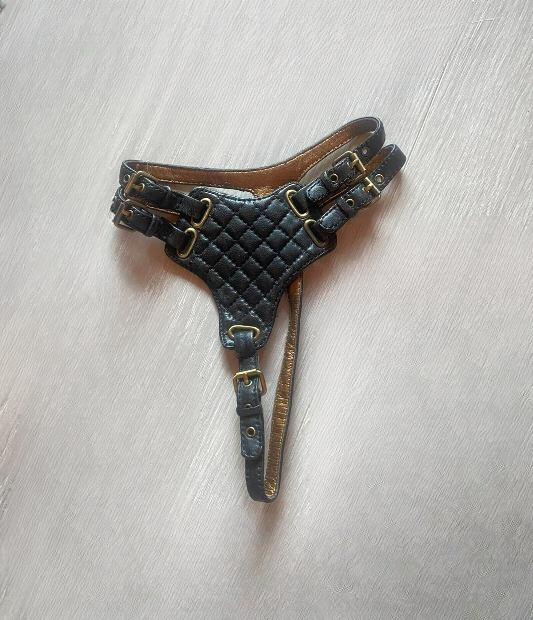
The Timeless Fashion Detail That Can Give Your Favorite Boots a Fresh Look
Fashion is constantly changing, with new colors, silhouettes, accessories, and styling ideas appearing every season. Yet some of the most useful fashion choices are not necessarily the newest or most expensive. Sometimes, a small accessory can change the appearance of an outfit, give an older item a fresh look, or help bring together pieces that might otherwise seem unrelated.
Vintage-inspired boot straps are one example of this understated approach to personal style. Often overlooked in favor of more noticeable accessories, these small details can add character to footwear and create a distinctive look without requiring an entirely new wardrobe.
Whether paired with classic leather boots, casual denim, a flowing skirt, or a modern layered outfit, boot straps can introduce texture and visual interest. Depending on their design, they may create a rugged appearance, add a decorative vintage touch, or provide a subtle accent to an otherwise simple outfit.
Their appeal lies in their versatility. Rather than following a single fashion trend, they offer an opportunity to experiment with personal style and make existing clothing feel more individual.
Why Small Accessories Can Make a Difference
When people think about refreshing their wardrobe, they often imagine buying new clothes, investing in designer footwear, or following the latest seasonal trends. However, accessories can be an effective way to change the overall impression of an outfit without replacing its main pieces.
A belt can define the waistline of a dress. A scarf can introduce color to a neutral coat. A distinctive bag can make a simple combination of jeans and a shirt feel more polished. In the same way, a carefully chosen boot accessory can give familiar footwear a different personality.
The effect does not need to be dramatic. Sometimes, a small change in texture or detail is enough to make an outfit feel more considered.
Vintage-inspired boot straps appeal to people who appreciate this kind of styling. They can provide a decorative feature without taking attention away from the rest of the clothing.
For example, a pair of plain brown boots may look understated on its own. Adding a simple strap with a suitable buckle or textured finish can introduce a more traditional, heritage-inspired appearance. A black boot paired with a minimal strap may maintain a modern look while gaining a little extra detail.
The key is choosing an accessory that complements the footwear rather than competing with it.
What Are Vintage Boot Straps?
Boot straps are accessories designed to wrap around or attach to certain types of boots. Depending on their construction, they may serve a decorative purpose, help secure another component, or provide a combination of function and style.
Vintage-inspired versions often draw from traditional leatherwork, workwear, riding apparel, Western fashion, or older outdoor clothing. Their designs may include buckles, stitched edges, metal fittings, embossed patterns, or contrasting materials.
Not every product described as vintage is genuinely old. Some items are newly manufactured using designs inspired by earlier decades. Others may be authentic secondhand accessories that have developed a naturally aged appearance through years of use.
These categories can look similar, but they offer different experiences.
A newly made vintage-inspired strap may provide a consistent finish, modern fastening hardware, and easier maintenance. An authentic older accessory may have distinctive wear, unusual construction, or a design that is difficult to find in contemporary products.
Neither option is automatically better. The right choice depends on the wearer’s preferences, budget, desired appearance, and practical needs.
When shopping, it is useful to examine the materials, measurements, fastening system, and compatibility information rather than relying on the word “vintage” alone.
A Brief Look at the History of Boot Accessories
Boots have served many purposes throughout history. They have been worn for work, travel, riding, outdoor activities, military use, and everyday life. Their designs have changed according to available materials, practical requirements, manufacturing techniques, and cultural influences.
Accessories associated with boots have developed alongside these uses.
Leather straps, buckles, laces, and other fastening components have often helped secure footwear or improve its fit. Over time, practical details have also become decorative elements.
Workwear and outdoor clothing, for example, frequently emphasize durability and straightforward construction. Heavy materials, visible stitching, and metal hardware can communicate a sense of utility even when used in contemporary fashion.
Western-inspired clothing has also influenced the appearance of modern boots and accessories. Decorative leatherwork, distinctive buckles, and contrasting textures remain recognizable elements in many designs.
Vintage-inspired boot straps draw selectively from these traditions. Some have a rugged appearance associated with outdoor clothing, while others use simpler shapes that suit everyday urban outfits.
It is important not to assume that every modern strap reproduces a specific historical design. Fashion accessories often combine elements from different periods and styles.
Their popularity can therefore be understood as part of a broader interest in clothing that appears individual, durable, and connected to traditional craftsmanship.
How Boot Straps Fit Into Modern Fashion
Contemporary fashion often combines elements that once belonged to different settings. A structured jacket may be worn with casual jeans, traditional boots may be paired with modern dresses, and vintage accessories may appear alongside minimalist clothing.
This approach allows people to create outfits that reflect their personalities rather than following a complete look from a single fashion collection.
Boot straps fit naturally into this style of experimentation because they can introduce a different visual element without changing the footwear itself.
A rugged strap may complement denim and a casual jacket. A simple leather design may work with a clean, understated outfit. A more decorative option may add character to boots worn with a long skirt or relaxed dress.
The result depends on proportion, color, material, and the overall mood of the outfit.
For some people, the appeal is subtlety. They may prefer a small detail that becomes noticeable only when someone looks more closely. Others may choose a bolder accessory with contrasting stitching or distinctive hardware.
There is no universal rule for how noticeable an accessory should be. The most successful choice is often the one that feels natural with the clothes already in the wardrobe.
Choosing the Right Material
Material is one of the most important considerations when selecting boot straps. It influences appearance, durability, comfort, maintenance, and the way an accessory changes with use.
Leather
Leather is a traditional option for boot accessories because it can be durable and adaptable. Depending on the type and finish, it may look smooth and polished or rugged and textured.
Brown leather often complements tan, dark brown, and earth-toned footwear. Black leather can create a more coordinated appearance with black boots or other dark accessories.
Over time, some leather products develop changes in color and surface character. This can appeal to people who enjoy a naturally worn-in look, although the amount of change depends on the leather, finish, use, and care.
Leather requires suitable maintenance to prevent excessive drying or damage. The manufacturer’s care instructions should be followed, particularly when the accessory contains metal hardware or decorative finishes.
Suede
Suede has a softer, textured surface that can give an outfit a relaxed appearance. It may work particularly well with casual clothing, textured fabrics, and earth-toned colors.
However, suede can be more sensitive to moisture and staining than some smooth leather finishes. People who frequently walk in wet or muddy conditions may prefer a different material or may need to take additional care.
Suede-inspired synthetic materials can offer a similar appearance with different maintenance requirements, although their performance varies by product.
Canvas and Woven Materials
Canvas and woven fabrics provide another option for casual styling. Depending on their design, they may look less traditional than leather and can work well with everyday boots.
These materials may suit people who prefer lighter visual details or want to introduce a contrasting texture.
Their durability depends on the weave, stitching, fastening system, and conditions in which they are worn. A fabric strap intended mainly for decoration may not be suitable for demanding outdoor use.
Metal Details
Buckles, rings, rivets, and other metal components can add definition to a boot accessory. Their finish may be polished, brushed, darkened, or deliberately aged in appearance.
Metal hardware can create contrast against leather or fabric, but it should be checked for secure construction and suitable edges. Poorly finished components may scratch footwear, catch on clothing, or become uncomfortable during movement.
The best material choice depends on whether the priority is appearance, practical use, low maintenance, or a combination of these factors.
Finding a Color That Works With Your Wardrobe
Color coordination is a simple way to make boot straps feel like a natural part of an outfit.
Black accessories often work well with dark footwear, monochrome clothing, and modern minimalist combinations. Brown and tan shades can complement denim, beige, olive, cream, and other natural colors.
For a coordinated appearance, a strap can repeat a color already present in a belt, bag, jacket, or other accessory. The match does not need to be exact. Similar tones and complementary finishes can create a sense of connection without making every item identical.
For example, dark brown straps may work with a medium-brown belt and a tan jacket, even if the leather shades differ slightly. A black strap with understated hardware may fit comfortably into an outfit built around black boots, dark jeans, and a neutral coat.
People who enjoy more expressive styling can experiment with contrast. A lighter accessory on darker footwear may create a noticeable detail, while colored stitching can introduce interest without changing the main material.
The overall balance matters more than strict rules. If the boots already have prominent buckles, patterns, or contrasting panels, a simpler strap may be easier to integrate. If the footwear is plain, a more distinctive accessory may be appropriate.
Styling Boot Straps With Jeans
Jeans and boots are a familiar combination because they can suit many everyday situations. The addition of a boot strap can make this pairing feel more distinctive without changing its relaxed character.
Straight-leg jeans often create a balanced silhouette with traditional boots. Depending on the length and cut, the hem may sit above the boot, rest near the top, or partially cover it.
If the strap is intended to be visible, the fit of the trousers matters. A very long or wide hem may conceal the accessory, while a shorter or more fitted style may make the detail easier to see.
Slimmer jeans can work with streamlined boots and minimal straps. Relaxed denim may complement wider boots and accessories with a more rugged appearance.
Color also plays a role. Blue denim pairs easily with brown leather, while black jeans can create a coordinated look with dark boots and black or charcoal accessories.
For a simple everyday outfit, try jeans, a plain shirt, a casual jacket, and boots with a restrained strap design. This keeps the accessory noticeable without making it the main focus.
The aim is not to create an elaborate outfit around one small item. It is to use the accessory as a finishing detail that suits the wearer’s existing style.
Pairing Boot Straps With Dresses and Skirts
Boots are not limited to jeans or trousers. They can also be worn with dresses and skirts, creating combinations that balance softer fabrics with structured footwear.
A flowing dress paired with sturdy boots can create an interesting contrast between movement and weight. A small leather strap may reinforce the footwear’s character without making the overall outfit feel overly complicated.
For colder weather, boots can be combined with tights, a knitted dress, and a long coat. A strap in a coordinated color can provide an additional detail while remaining consistent with the outfit’s practical layers.
Skirts offer similar flexibility. A denim skirt and casual boots may suit a relaxed daytime look, while a longer skirt with simple footwear can create a more understated combination.
Proportion is worth considering. Larger straps and prominent buckles may draw more attention to the boots, while narrow, simple designs may blend more easily into a softer outfit.
Comfort should also guide the choice. The strap must not interfere with walking, catch on the hem of a skirt, or create pressure against the ankle.
With a suitable design, boot straps can help connect different clothing styles and make familiar footwear more versatile.
Creating a Rugged, Heritage-Inspired Look
Some people are drawn to clothing that reflects traditional workwear, outdoor equipment, and heritage-inspired design.
This style often includes durable-looking materials, earthy colors, visible stitching, and practical silhouettes. Boots naturally fit into this aesthetic, and a vintage-inspired strap can reinforce the overall appearance.
A simple combination might include brown boots, dark denim, a canvas jacket, and a neutral shirt. A leather strap with restrained hardware can add texture without overwhelming the clothing.
Olive, tan, charcoal, navy, and dark brown are useful colors for this type of wardrobe because they tend to work together comfortably.
However, heritage-inspired style does not require every item to look worn or rugged. Mixing a traditional accessory with clean, contemporary clothing can produce a more balanced result.
For example, a structured coat and dark trousers may look interesting with boots that feature a small vintage-style detail. The contrast between the modern clothing and the traditional accessory can make the outfit feel more personal.
The key is to avoid treating a single accessory as a complete style transformation. It works best when it supports the broader combination of materials, colors, and shapes.
Keeping the Look Minimalist
Vintage accessories can also work in minimalist wardrobes. Minimalism is often associated with simple silhouettes, limited color palettes, and an emphasis on function rather than decoration.
A small boot strap can fit into this approach if its design is restrained.
Smooth leather, understated stitching, and simple hardware may add just enough detail to distinguish the footwear without introducing too many competing elements.
Black boots with a narrow black strap, for instance, can maintain a cohesive appearance. Brown boots with a matching leather detail may work with neutral trousers and a simple coat.
The accessory does not need to be an exact match for the boots, but a consistent finish can help it blend into the overall look.
People who prefer minimalist styling may want to avoid designs with excessive ornamentation or multiple contrasting materials. A simpler accessory is often easier to wear with different outfits.
This is one reason a carefully selected accessory can be useful: it can add variety while allowing the rest of the wardrobe to remain straightforward.
Are Boot Straps Practical or Mainly Decorative?
The answer depends on the specific product.
Some boot straps are designed primarily as decorative additions. Others may have a practical role, depending on how they attach and what the manufacturer intends them to do.
A decorative strap should not be assumed to improve the fit of a boot, provide ankle support, or make footwear safer. These functions depend on the design and construction of the boot itself.
If a product is described as functional equipment, its specifications should explain how it is intended to be used. The attachment system, materials, dimensions, and compatibility information are all relevant.
It is also important to distinguish between an accessory that fits around the exterior of a boot and a strap that is part of the footwear’s original construction. These may have very different purposes.
Before buying, consider whether the accessory will remain in place while walking, whether it can rub against the boot, and whether the fastening system is suitable for the intended activity.
For fashion use, appearance may be the main priority. For hiking, riding, work, or other demanding activities, footwear and equipment should be selected according to the relevant safety and performance requirements rather than appearance alone.
How to Choose the Right Size
Sizing is an important consideration because boots differ in shaft height, circumference, shape, and construction.
A strap that is too short may not fasten properly. One that is too long may shift, hang awkwardly, or fail to sit securely.
Before purchasing an accessory, check the manufacturer’s measurements and compare them with the part of the boot where the strap is intended to sit.
If the product wraps around the boot shaft, measure the relevant circumference according to the seller’s instructions. If it attaches to specific loops or fittings, confirm that those attachment points are compatible.
It is also useful to check whether the strap is adjustable. An adjustable design may accommodate a wider range of boot shapes, although the available adjustment range still matters.
Not every boot is suitable for every strap. Some footwear has decorative panels, elastic sections, unusual shaft shapes, or materials that may not accommodate additional hardware.
Avoid forcing an accessory into place. Excessive pressure can damage the boot, stretch the strap, or create discomfort during use.
When product information is unclear, contacting the manufacturer or seller before ordering may prevent an unnecessary purchase.
Caring for Vintage and Vintage-Inspired Accessories
Proper care can help keep boot straps in good condition, although the right method depends on the material.
Leather should be cleaned and conditioned using products appropriate for its finish. Applying an unsuitable treatment can change the color, leave residue, or affect the surface.
Suede usually requires a different approach. A suitable suede brush may help remove dry dirt, while products designed for suede can address certain stains. Water and general-purpose leather conditioners may affect the texture or appearance.
Canvas and woven materials should be cleaned according to the manufacturer’s guidance. Aggressive scrubbing can damage fibers, and some accessories may contain hardware that should not be soaked.
Metal components should be checked periodically for loose fasteners, sharp edges, corrosion, or other signs of deterioration.
If an accessory is genuinely vintage, extra care may be appropriate. Older leather can become brittle, stitching may weaken, and metal fittings may no longer be secure.
Aged appearance should not be confused with structural condition. An accessory may look attractive but still be unsuitable for regular wear.
When in doubt, use gentle cleaning methods and avoid making irreversible changes to an item that may have historical or sentimental value.
Shopping for Boot Straps Without Overspending
Accessories can be an affordable way to experiment with style, but price alone does not determine quality.
A low-cost strap may be suitable for occasional decorative use, while a more expensive product may offer better materials, construction, or a design that matches the wearer’s preferences. However, a high price does not automatically guarantee durability.
When comparing products, consider the material, stitching, hardware, measurements, fastening method, care requirements, and return policy.
Product photographs can be useful, but