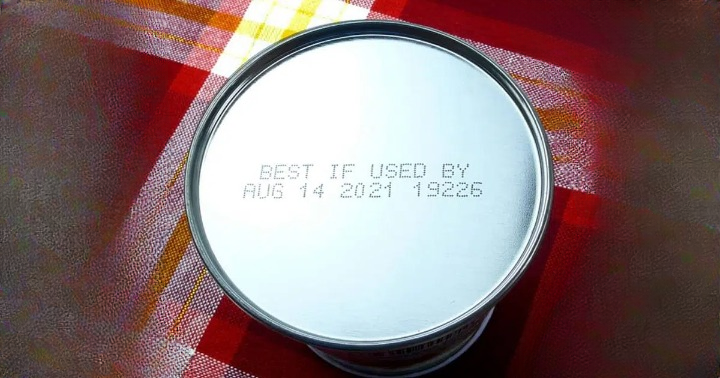
What Americans Should Know About Food Expiration Dates and Safe Food Storage
Food expiration dates appear on a wide range of products sold throughout the United States, from milk cartons and yogurt containers to canned vegetables, packaged snacks, and frozen meals. Many shoppers rely on these labels when deciding what to purchase, how long to keep food in the refrigerator, and when an item should be discarded.
However, the wording on food packages can be confusing. A label that says “Best if Used By” does not necessarily mean the food becomes unsafe the following day. Likewise, a product that remains within its printed date is not automatically safe if it has been stored incorrectly or its packaging has been damaged.
Understanding the difference between food quality and food safety can help households make better decisions, reduce unnecessary waste, and handle groceries more confidently.
In the United States, date labels serve several purposes, and their meanings can vary by product and manufacturer. Some dates primarily communicate freshness, while certain products are subject to specific labeling requirements. The way food has been transported, refrigerated, frozen, opened, and handled also affects how long it remains suitable to eat.
For consumers, the most useful approach is to consider the wording on the package, the type of food, storage instructions, packaging condition, and any relevant food-safety guidance rather than relying on a single date alone.
Understanding the Different Types of Food Dates
One of the main reasons expiration dates cause confusion is that several different phrases appear on food packages. Although they may look similar, they do not always communicate the same information.
Manufacturers use date labels to help consumers understand freshness, expected quality, inventory management, and, in some circumstances, safety-related requirements.
Common labels in the United States include “Best if Used By,” “Sell By,” “Use By,” and “Freeze By.” Their precise significance depends on the product and the applicable regulations.
“Best if Used By”
The phrase “Best if Used By” generally refers to the period when a product is expected to have its best flavor or quality.
For example, a packaged snack may become less crisp over time, or a cereal may gradually lose some of its original texture. A product may still be acceptable after its best-quality date if it has been stored properly and shows no signs of spoilage.
This label is primarily about quality rather than a universal deadline for safety.
Nevertheless, consumers should not assume that every food is safe indefinitely after its printed date. Perishable products can become unsafe because of bacterial growth, improper temperatures, damaged packaging, or other handling problems, regardless of whether the quality date has passed.
The type of food and its storage history remain important.
“Sell By”
A “Sell By” date is generally intended to help retailers manage inventory. It can guide stores in deciding when to rotate or remove products from shelves.
It is not necessarily an instruction telling consumers when the food must be discarded.
For example, a retailer may use a sell-by date to ensure that a product has a reasonable amount of time remaining for a customer to store it at home. The date may therefore relate more directly to retail stock management than to a household’s final consumption deadline.
However, a product’s safety still depends on the food itself and how it has been handled. Consumers should follow the storage instructions and any specific guidance supplied for the item.
“Use By”
“Use By” can have different meanings depending on the food and the manufacturer.
On many packaged foods, it indicates the date through which the manufacturer expects the product to maintain its best quality under the recommended storage conditions. It should not automatically be interpreted as a universal safety deadline for every food sold in the United States.
There are important exceptions and product-specific requirements. Infant formula, for example, has a date that should be followed because the product’s nutrient quality and physical characteristics may change over time. Consumers should not use infant formula beyond its labeled use-by date.
When a label provides specific safety or handling instructions, those instructions should be followed. If a product is subject to particular federal or state requirements, consumers should not assume that a general rule for ordinary packaged foods applies to it.
“Freeze By”
A “Freeze By” date generally provides guidance about when freezing is recommended to help preserve a product’s quality.
Freezing can slow the growth of microorganisms and greatly extend the storage life of many foods when they are kept at an appropriate temperature. However, freezing does not make food that was already unsafe safe again.
If a perishable product has been left at an unsafe temperature for too long, placing it in the freezer will not reliably eliminate the risks that may have developed.
For best results, follow the package instructions and freeze suitable foods while they are still in good condition.
Are Food Expiration Dates Regulated in the United States?
Food date labeling in the United States is not governed by one universal rule that applies identically to every product.
Federal agencies oversee different categories of food, and additional state requirements may apply. The rules can differ depending on the product, how it is manufactured, and which agency has regulatory responsibility.
For many ordinary packaged foods, dates are primarily related to quality and are not federally required in every situation. Manufacturers may use them to communicate expected freshness and help retailers manage inventory.
Certain products have more specific requirements. Infant formula is a notable example because its labeling date has a defined role in ensuring that the product retains the required quality and nutrient content.
Meat, poultry, egg products, seafood, and other foods may also be subject to particular handling, inspection, or labeling rules depending on their form and processing.
Because the regulatory system is complex, it is not accurate to claim that every date on every food package is merely a suggestion. It is equally inaccurate to treat every printed date as an automatic indication that a food becomes dangerous at midnight on that day.
Consumers should consider the specific wording, product category, and applicable guidance.
For current information, the U.S. Department of Agriculture’s Food Safety and Inspection Service and the Food and Drug Administration provide consumer guidance on food labeling, storage, and safe handling.
Why Quality and Safety Are Different
Food quality and food safety are related, but they are not the same thing.
Quality refers to characteristics such as flavor, aroma, texture, appearance, and freshness. These qualities can change gradually as food ages, even when it has been stored properly.
Safety concerns whether the food is reasonably safe to consume under the relevant conditions. Harmful microorganisms can sometimes grow without producing obvious changes in smell, taste, or appearance.
A product may therefore remain acceptable in quality after a best-quality date, while another product may become unsafe before its printed date if it has been mishandled.
Consider two examples.
A sealed package of crackers may become less crisp over time. If the package is intact and the product has been stored according to its instructions, the main change may be a decline in texture.
By contrast, refrigerated cooked food that has been left at room temperature for too long may support the growth of harmful bacteria. Its appearance and smell may remain normal even when it is no longer safe to eat.
These examples illustrate why date labels should be considered alongside storage conditions and food-safety recommendations.
A person’s senses can sometimes identify obvious spoilage, but they cannot reliably detect every hazard. Tasting a questionable product to see whether it is safe is not a dependable method.
How Refrigeration Affects Food Safety
Refrigeration is one of the most important ways households slow the growth of many microorganisms in perishable foods.
The USDA recommends keeping a refrigerator at 40°F (4°C) or below. A refrigerator thermometer can help confirm that the appliance is maintaining an appropriate temperature.
Milk, many dairy products, fresh meat, poultry, seafood, and prepared foods generally require refrigeration according to their labels and relevant food-safety guidance.
Keeping the refrigerator sufficiently cold does not stop all deterioration, but it slows many processes that affect safety and quality.
It is also important to avoid leaving perishable groceries in a warm car or on a kitchen counter for extended periods. Food that has spent too much time at unsafe temperatures may need to be discarded even if the printed date has not passed.
The USDA generally advises that perishable food should not remain at room temperature for more than two hours, or more than one hour when the surrounding temperature is above 90°F (32°C).
These limits are especially relevant during hot weather, outdoor gatherings, shopping trips, and situations where refrigeration is temporarily unavailable.
A date label cannot compensate for poor temperature control. Refrigerated foods should be stored promptly and kept at the recommended temperature throughout their storage period.
Milk: What the Date Can and Cannot Tell You
Milk is one of the products most commonly associated with expiration-date confusion.
Cartons may display dates intended to indicate freshness or help retailers manage stock. Depending on the state, product, and manufacturer, the wording and requirements may differ.
Milk quality can change over time, particularly when the product is exposed to warmer temperatures. Proper refrigeration helps maintain its quality and limits microbial growth.
Consumers should keep milk refrigerated, close the container after use, and avoid leaving it out on the counter during meals.
If milk develops an unusual odor, visible changes, or a texture that differs from its normal condition, it should be discarded. However, the absence of these signs does not guarantee safety when the product has been stored incorrectly.
It is also important not to assume that heating questionable milk will make it safe. Some hazards may not be eliminated simply by warming or cooking the product.
Pasteurized milk should be handled according to its storage instructions, while raw milk carries additional risks because it has not undergone pasteurization to reduce harmful microorganisms.
For households that frequently discard milk, buying a quantity that matches actual use can help reduce waste. Milk that is suitable for freezing may also be frozen for later use, although freezing can affect its texture after thawing. Check the manufacturer’s recommendations and thaw it safely in the refrigerator.
Yogurt and Other Dairy Products
Yogurt, sour cream, cottage cheese, and similar refrigerated products also have dates that may be misunderstood.
A quality date can indicate when the manufacturer expects the product to retain its preferred texture, flavor, and other characteristics. It does not provide a complete account of how the product has been stored since leaving the factory.
Refrigeration is essential for products that require it. Once a container is opened, exposure to air, utensils, and handling can affect its storage life.
Consumers should follow the package instructions for opened products and avoid using containers with damaged seals or obvious signs of spoilage.
Mold on a soft dairy product is a reason to discard the product rather than simply removing the visible spot. Mold can extend beyond the area that is immediately visible.
Yogurt may naturally have a tangy flavor, so flavor alone is not a reliable way to judge whether it remains safe. Unusual changes in appearance, packaging, or odor should be taken seriously, but proper storage and handling remain essential even when the product looks normal.
The safest approach is to use product-specific guidance rather than applying one rule to every type of dairy food.
Eggs: Dates, Storage, and Handling
Egg cartons may display dates associated with packing, retail sale, or quality. The wording and rules can vary by jurisdiction.
In the United States, eggs intended for refrigerated sale are generally kept refrigerated to help maintain quality and reduce the risk of bacterial growth.
Consumers should follow the storage instructions on the carton, keep eggs in a consistently cold refrigerator, and avoid leaving them at room temperature for extended periods.
The appearance of an eggshell does not reveal every possible safety concern. A clean-looking, uncracked egg can still contain harmful bacteria, which is one reason proper handling and cooking are important.
Eggs should be cooked until both the whites and yolks are firm for the best general protection. Dishes containing eggs should be cooked to a safe internal temperature appropriate for the dish. People at higher risk of foodborne illness may need to avoid raw or undercooked eggs unless pasteurized eggs are used.
Cracked eggs should be handled cautiously because the protective shell barrier may have been compromised. Follow food-safety guidance and discard eggs that are damaged or contaminated.
Eggs should not be judged solely by a printed date or by an informal home test. Storage history, shell condition, handling, and proper cooking all contribute to safer use.
Meat and Poultry Require Special Attention
Fresh meat and poultry are particularly important examples of why consumers should not rely on date labels alone.
Raw meat and poultry can contain harmful microorganisms even when they appear normal. Proper refrigeration, separation from ready-to-eat foods, clean preparation surfaces, and thorough cooking are essential.
The refrigerator should remain at 40°F (4°C) or below. Raw meat and poultry should be stored in containers or packaging that prevents their juices from dripping onto other foods.
Consumers should follow the recommended storage periods for the particular type of meat and its condition, such as whether it is raw, cooked, whole, ground, or processed.
Ground meat generally requires especially careful handling because grinding can distribute microorganisms throughout the product. Cooking to the appropriate safe internal temperature is important.
For many common products, USDA guidance recommends relatively short refrigerator storage periods for raw poultry and ground meat. Whole cuts of beef, pork, lamb, and veal may have different recommended periods. Because the details vary by product, the current USDA storage charts are a useful reference.
A printed quality date should not be used to justify keeping raw meat indefinitely. If the food has been stored too long or exposed to unsafe temperatures, it may need to be discarded.
Nor should consumers assume that cooking will make every improperly stored product safe. Some hazards can persist even after reheating or cooking.
Canned Foods and Shelf Stability
Canned foods often remain usable for much longer than refrigerated perishables when their packaging is intact and they are stored properly.
Commercial canning uses processing methods designed to make products shelf-stable. Many canned vegetables, beans, soups, and fruits can maintain their quality well beyond a best-quality date when stored in suitable conditions.
Over time, however, color, flavor, and texture may change. The quality of the food can gradually decline even when the can remains intact.
The condition of the container matters. Cans that are swollen, leaking, badly rusted, or deeply dented—particularly around seams—should not be used. A damaged container can indicate a problem with the packaging or the food inside.
Do not taste food from a suspicious can to determine whether it is safe. Some serious foodborne hazards may not produce a noticeable smell or visible change.
Store canned goods in a cool, dry location and follow the manufacturer’s instructions. After opening, transfer leftovers when appropriate to a suitable covered container and refrigerate them promptly.
The storage rules for opened canned foods differ from those for sealed cans. Once the contents have been exposed to air and handling, they should be treated according to the requirements for that particular food.
Frozen Foods and Long-Term Storage
Freezing can preserve food for extended periods when the freezer maintains a temperature of 0°F (-18°C) or below.
At this temperature, food can remain safe for a long time if it was safe when frozen and has been handled properly. However, quality may gradually decline.
Freezer burn is a common example. It occurs when parts of the food lose moisture through exposure to air, leading to dry patches or changes in texture. Although freezer burn can make food less appealing, it does not by itself mean the food is unsafe.
Proper wrapping, airtight packaging, and clear labeling can help preserve quality and make it easier to identify frozen items.
It is useful to record the food’s name and the date it was frozen. A simple system can help households rotate older items and avoid losing food at the back of the freezer.
When thawing food, the refrigerator is generally the safest option. Other approved methods include cold-water thawing with appropriate precautions and microwave thawing when the food will be cooked immediately afterward.
Perishable food should not be thawed on the kitchen counter for an extended period. The outside may reach temperatures that support microbial growth while the center remains frozen.
Freezing does not reverse unsafe handling that occurred before the food was placed in the freezer. Good storage practices must begin before freezing and continue through thawing and preparation.
Bread, Cereal, and Packaged Snacks
Shelf-stable products such as bread, crackers, cereal, and packaged snacks often use dates that primarily communicate expected quality.
Bread may become stale as moisture moves through its structure. Crackers can lose their crispness, and cereal may develop a less appealing texture after the package has been opened.
These changes do not automatically mean the food is unsafe, but storage conditions still matter.
Moisture can encourage mold growth, particularly in bread and other products that are not designed for long-term storage. If mold appears on soft bread, it is generally best to discard the affected loaf rather than cut away only the visible area.
The visible part of mold may not represent the full extent of growth inside a soft food.
Dry products should be stored in clean, dry containers and protected from pests. Packages should be closed securely after opening, and any instructions about refrigeration or other storage conditions should be followed.
For households that buy bread in larger quantities, freezing portions can help preserve quality. Slices can often be removed as needed, reducing the chance that the entire loaf will become stale or moldy before it is used.
Fresh Produce and Date Labels
Fresh fruits and vegetables do not always carry the same type of date labels found on packaged products. Their quality is influenced by variety, ripeness, handling, temperature, and moisture.
Some produce remains in good condition for days or weeks, while more delicate items may deteriorate quickly.
Leafy greens can wilt, berries may develop mold, and cut fruit generally requires more careful refrigeration than whole fruit. Damaged areas can also affect the quality of nearby produce.
Consumers should follow storage instructions, refrigerate products that require it, and wash produce appropriately before eating or preparing it. Washing should not be treated as a way to make spoiled produce safe.
Soft, moldy fruit should be assessed cautiously, and items with extensive spoilage should be discarded. For firm produce, recommendations can differ depending on the type and the extent of the affected area.
Pre-cut fruits and vegetables deserve particular attention because cutting can introduce microorganisms and expose moist surfaces. These products should be kept refrigerated according to the package instructions.
When buying produce, consider how quickly it will be used. Purchasing smaller quantities more frequently may reduce waste for households that have difficulty using large packages before quality declines.
Baby Formula Is an Important Exception
Infant formula deserves special attention because its labeling and storage requirements differ from those of many ordinary foods.
The date on a formula container is not simply a general freshness suggestion. Formula should not be used beyond the labeled use-by date because its nutrient quality and physical characteristics may change.
Parents and caregivers should follow the preparation, storage, and disposal instructions provided by the manufacturer and the relevant health authorities.
Prepared formula requires careful handling. The time limits for use depend on whether the formula has been prepared, whether the baby has begun feeding from the bottle, and how it has been stored.
Leftover formula from a feeding should not be saved for another feeding because bacteria can be introduced from the baby’s mouth.
Powdered formula is not sterile, so special precautions may be needed for infants who are particularly vulnerable to infection. Parents should seek guidance from a pediatrician or other qualified healthcare professional when they have questions about formula preparation or feeding.
These requirements demonstrate why it is important not to apply a single rule to every food label. A date that primarily signals quality on one product may have a more specific significance on another.
What About Food That Smells or Looks Normal?
One of the most persistent misconceptions about food safety is that smell and appearance can reliably determine whether food is safe.
These senses are useful for identifying obvious signs of deterioration. Mold, unusual discoloration, unexpected texture changes, leaking packages, or a clearly abnormal odor can indicate that food should be discarded.
However, harmful microorganisms may be present without changing a food’s appearance, taste, or smell.
This is particularly important for foods that require refrigeration, including cooked leftovers, meat, poultry, seafood, and dairy products.
A product that smells normal may still have been stored at an unsafe temperature. Similarly, a package that looks intact may contain