Shrimp are among the most popular seafood choices around the world.
They are quick to prepare, versatile enough to work in everything from salads and pasta to soups and grilled dishes, and can be found in countless cuisines.
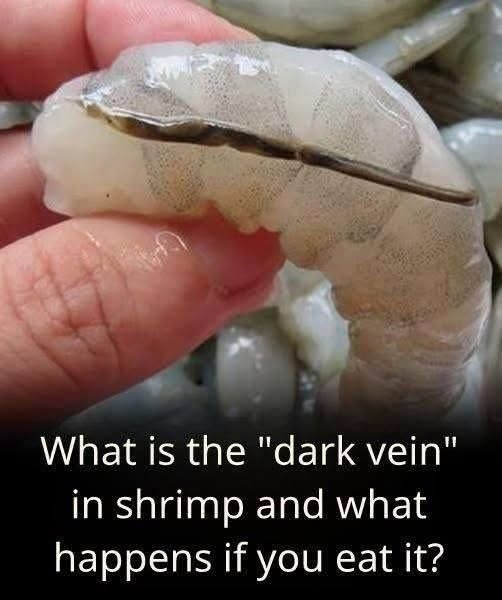
But there is one small detail that often makes people stop and wonder when preparing shrimp: the dark line running along the back.
Many people call it the shrimp’s “vein.”
But is it actually a vein?
The answer is a little more interesting than you might expect.
That dark line is part of the shrimp’s digestive tract, commonly referred to in cooking as the “vein.” The term is convenient, but it isn’t a true blood vessel like the veins found in humans.
Understanding what you’re looking at can make preparing shrimp much less mysterious.
So, What Is the “Vein” in a Shrimp?
The dark line you see along the back of a shrimp is the digestive tract.
Because it can sometimes contain food particles or digestive material, cooks have traditionally removed it before preparing the shrimp.
The appearance can vary considerably.
Sometimes the line is very dark and easy to see.
Sometimes it is pale and barely noticeable.
In other shrimp, you may not see it at all.
Its appearance can depend on the shrimp’s size, species, diet, and how it has been processed.
Why Do People Call It a Vein?
The name has become common in kitchens even though it isn’t anatomically accurate.
When shrimp are cleaned, the digestive tract is located in a position that makes it resemble a narrow line running down the back.
Over time, cooks began referring to it as the “vein.”
The culinary term became so familiar that it is still widely used today.
So if a recipe tells you to “devein” shrimp, it isn’t referring to removing an actual vein.
Instead, it means removing the digestive tract.
Is the Dark Line Dangerous?
This is where many online discussions become unnecessarily alarming.
The presence of the digestive tract doesn’t automatically mean that the shrimp is unsafe to eat.
Properly handled and thoroughly cooked shrimp can be a normal part of a balanced diet.
Removing the digestive tract is often done for appearance, texture, or personal preference.
Some cooks prefer cleaned shrimp because they look more attractive on the plate.
Others remove it because they don’t like the appearance or possible texture.
The important food-safety factors are proper storage, handling, preparation, and cooking.
Why Does the Line Sometimes Look Dark?
The digestive tract can contain material from the shrimp’s recent meals.
That can make it appear darker than the surrounding flesh.
The color isn’t necessarily an indication that the shrimp has spoiled.
A dark line should not automatically be interpreted as contamination or a sign that the entire shrimp is unsafe.
However, shrimp that have an unpleasant odor, unusual discoloration, slimy texture, or other obvious signs of spoilage should not be eaten.
When in doubt about seafood freshness, it’s better to be cautious.
Do You Always Have to Remove It?
No.
Whether you remove the digestive tract is largely a matter of preference and presentation.
Many people routinely clean shrimp before cooking them.
Others cook shrimp without removing it.
In some dishes, particularly recipes where shrimp are served whole or cooked with the shell, the digestive tract may remain.
The decision can depend on the type of shrimp, the recipe, and the cook’s preferences.
Why Restaurants Often Serve “Deveined” Shrimp
Restaurants frequently remove the digestive tract because cleaned shrimp generally have a more polished appearance.
When food is being presented to customers, appearance matters.
A neatly prepared shrimp can look more appealing on a plate.
Removing the line can also create a more consistent presentation, especially in dishes where the shrimp are prominently displayed.
This doesn’t necessarily mean that shrimp with the digestive tract intact are unsafe.
It is often simply part of preparation and presentation.
How Shrimp Are Cleaned
If you buy shrimp that haven’t already been cleaned, removing the digestive tract is relatively straightforward.
First, rinse the shrimp according to safe food-handling practices and place them on a clean preparation surface.
If the shell is still attached, you can remove it if your recipe calls for peeled shrimp.
Then make a shallow cut along the back of the shrimp.
You may see a dark or light-colored line beneath the surface.
A knife or specialized seafood tool can be used to lift it out.
Afterward, prepare the shrimp according to your recipe.
Always clean preparation surfaces and utensils appropriately after handling raw seafood.
What About the Other Side?
Shrimp can have another visible tract along the underside.
This is sometimes confused with the “vein” on the back.
The structures are different, and cooks don’t always remove both.
The digestive tract on the back is the one most commonly discussed when people talk about deveining shrimp.
The exact cleaning process can vary depending on the size and preparation style.
Fresh and Frozen Shrimp
The same general principles apply whether you’re working with fresh or frozen shrimp.
Frozen shrimp can be an excellent option because freezing allows seafood to be stored for longer periods when handled properly.
When buying shrimp, pay attention to packaging information and storage instructions.
Keep seafood cold during transport and refrigeration.
If you’re using frozen shrimp, thaw them safely rather than leaving them at room temperature for extended periods.
Does Removing the “Vein” Change the Taste?
For many people, the biggest difference is visual rather than dramatic.
Removing the digestive tract may improve the appearance of the shrimp and can sometimes remove a slightly gritty or unpleasant texture if material is present.
However, the difference in flavor isn’t necessarily significant for every shrimp.
That’s one reason this step is often considered a matter of preference rather than an absolute requirement.
What Should You Look for When Buying Shrimp?
Quality begins before you start cooking.
When purchasing shrimp, look for products that have been properly refrigerated or frozen.
Fresh shrimp should have a mild seafood smell rather than a strong, unpleasant odor.
The flesh should appear reasonably firm and moist rather than excessively slimy.
Packaging should be intact, and frozen shrimp should remain properly frozen.
If you notice signs of thawing and refreezing, damaged packaging, or questionable storage conditions, consider choosing another package.
Proper Storage Matters
Seafood is perishable, so proper storage is important.
Keep shrimp refrigerated according to food-safety guidance and use them within the recommended timeframe.
If you won’t be preparing them soon, freezing may be a better option.
Don’t leave raw shrimp sitting at room temperature for long periods.
When preparing meals, keep raw seafood separate from foods that are ready to eat.
This helps reduce the risk of cross-contamination.
Cooking Shrimp Properly
Regardless of whether you remove the digestive tract, cooking shrimp properly is essential.
Shrimp should be cooked until the flesh becomes opaque and reaches a safe internal temperature.
Their appearance changes noticeably as they cook.
Raw shrimp are generally translucent, while properly cooked shrimp become opaque and develop a firm texture.
Avoid relying only on color or cooking time, because shrimp vary in size and cooking conditions.
A food thermometer can provide a more reliable indication of doneness.
Why Shrimp Curl When They Cook
Have you ever noticed shrimp curling into a “C” shape while cooking?
That’s normal.
Heat causes the muscles to contract.
The amount of curling can vary depending on how the shrimp are prepared.
If shrimp curl extremely tightly into a shape resembling a small ring, some cooks interpret that as a sign that they may have been cooked longer than necessary.
The goal is generally tender, properly cooked shrimp rather than a rubbery texture.
The “Vein” Isn’t Unique to One Type of Shrimp
Different shrimp species can have digestive tracts that vary in appearance.
Some are more visible than others.
That’s why you might see a prominent dark line in one package and almost nothing in another.
Size also matters.
Larger shrimp can make the digestive tract easier to see, while it may be nearly impossible to notice in very small shrimp.
A Common Kitchen Misunderstanding
One reason the shrimp “vein” generates so much discussion is that the word itself sounds more alarming than the reality.
People hear “vein” and may imagine something similar to a blood vessel.
But the culinary term is simply a convenient way of describing a visible structure that runs along the shrimp’s back.
Understanding the anatomy removes much of the mystery.
Should Children Eat Shrimp?
Shrimp can be part of a varied diet for many people, including children, provided there are no allergies or other dietary restrictions.
However, shellfish are among the foods that can trigger allergic reactions in some individuals.
If someone experiences symptoms of a serious allergic reaction after eating shellfish, seek emergency medical assistance.
Parents introducing potentially allergenic foods to children should follow guidance appropriate to their child’s circumstances.
What If You Accidentally Eat It?
If you eat shrimp without removing the digestive tract, there’s generally no reason to panic simply because you noticed the line afterward.
The presence of the tract itself does not automatically make the shrimp unsafe.
Food safety depends much more on proper handling, storage, and cooking.
Of course, if the shrimp tasted spoiled or had other obvious signs of deterioration, that’s a different situation and should be taken seriously.
Why This Small Detail Fascinates So Many People
Food often contains little details that we rarely think about.
The shrimp “vein” is a perfect example.
For years, people may eat shrimp without ever wondering what the line actually represents.
Then one day, someone notices it and starts asking questions.
Is it a vein?
Is it necessary to remove?
Does it affect flavor?
Is it safe?
Why does it look different from one shrimp to another?
These simple questions reveal how much there is to learn about everyday food.
Final Thoughts
The dark line along the back of a shrimp may look mysterious, but the explanation is relatively straightforward.
What cooks commonly call the shrimp “vein” is actually the digestive tract, not a human-style blood vessel.
Many cooks remove it because they prefer the appearance and texture of cleaned shrimp.
Others leave it intact, particularly when preparing certain dishes.
The most important considerations when eating shrimp are proper freshness, safe storage, hygienic preparation, avoiding cross-contamination, and thorough cooking.
So the next time you’re preparing shrimp and notice that familiar dark line, you’ll know exactly what you’re looking at.
It’s not a mysterious feature that needs to cause alarm.
It’s simply part of the shrimp’s anatomy—and whether you choose to remove it is often a matter of culinary preference.
Sometimes the most interesting food facts are hiding in plain sight. What looks like a “vein” is actually a digestive tract, and understanding that small detail can make preparing shrimp a little easier and a lot less mysterious.