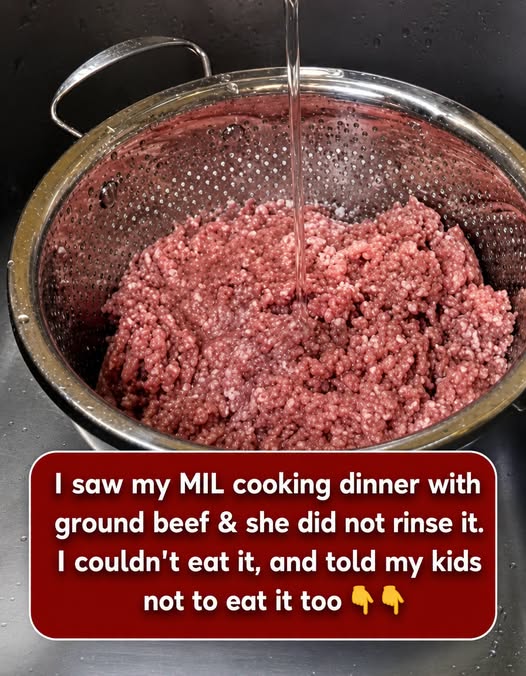
Should You Rinse Ground Beef After Cooking? What Home Cooks Should Know
Ground beef is one of those ingredients that seems to have a permanent place in the kitchen.
It is inexpensive, versatile, quick to prepare, and easy to turn into everything from tacos and spaghetti sauce to casseroles, stuffed peppers, meatballs, burgers, and hearty soups.
But there is one question that frequently comes up when cooking it:
After browning ground beef, should you rinse it with water to remove the excess grease?
The answer isn’t quite as simple as “yes” or “no.”
Some people swear by rinsing because they want a less greasy meal. Others believe washing cooked ground beef ruins its flavor and texture. Some simply drain the fat into a container and throw it away, while others leave some of the rendered fat in the pan because they know it carries flavor.
Understanding what happens during cooking can help you decide which method makes the most sense for your recipe.
Why Does Ground Beef Release So Much Fat?
Ground beef naturally contains varying amounts of fat.
The amount depends largely on the cut of beef and the lean-to-fat ratio listed on the package. You may see products labeled with ratios such as 70/30, 80/20, 85/15, or 90/10.
The first number represents the percentage of lean meat, while the second represents the approximate percentage of fat.
For example, 80/20 ground beef is approximately 80% lean meat and 20% fat before cooking.
As the beef heats, some of that fat melts and collects in the pan.
This is completely normal.
The amount you see after cooking can be surprising, particularly when using a higher-fat variety.
That leftover fat is the reason many recipes tell you to “drain the beef” after browning.
But draining and rinsing are two very different things.
Draining Ground Beef Is Usually Enough
For most recipes, you don’t need to rinse cooked ground beef.
If your goal is simply to remove excess grease, draining the meat is generally the easiest approach.
After browning the beef thoroughly, you can carefully tilt the pan and spoon or pour the excess fat into a heat-safe container.
Another option is to transfer the cooked beef into a colander or strainer temporarily, allowing the excess fat to drain away.
Once the meat has drained, return it to the pan and continue preparing your recipe.
This method removes a significant amount of the excess grease without introducing water into the meat.
It also preserves more of the flavor created during browning.
What Happens If You Rinse It?
Rinsing cooked ground beef under warm or hot water can remove some of the fat clinging to the meat.
That may sound useful if you’re specifically trying to reduce the amount of grease in your meal.
However, water doesn’t distinguish between “unwanted grease” and the flavorful compounds left behind from cooking.
Some of those flavorful juices and browned bits can be washed away as well.
The result may be ground beef that tastes noticeably less rich.
The texture can also change.
Instead of having the browned, savory character you developed in the pan, the meat may become somewhat softer or more washed-out.
Whether that matters depends entirely on what you’re making.
If the beef is going into a strongly seasoned chili, soup, or sauce, you may not notice much difference.
But if you’re preparing something where the flavor of the beef is supposed to stand out, rinsing can be less appealing.
Browning Is About More Than Just Cooking the Meat
One reason cooks are encouraged to brown ground beef properly is that browning creates flavor.
When meat is exposed to sufficient heat, chemical reactions occur on its surface that produce the characteristic savory flavors and aromas associated with browned meat.
Those browned bits that stick to the bottom of the skillet aren’t simply burnt leftovers.
They can contribute tremendous flavor.
This is one reason chefs often deglaze a pan with broth, water, wine, or another liquid rather than washing the cooked meat itself.
The liquid helps lift those flavorful browned particles from the pan and incorporate them into the dish.
If you rinse the beef after cooking, some of that flavor can disappear down the drain.
Is Rinsing Ground Beef Dangerous?
The biggest concern isn’t necessarily the rinsing itself.
It’s what happens around the sink.
Raw meat can contain harmful bacteria, which is why proper cooking and food handling are so important.
Cooked ground beef should be handled carefully, and surfaces that have come into contact with raw meat should be cleaned properly.
If you’re rinsing cooked meat in the sink, droplets of water and grease can potentially spread residue to nearby surfaces.
That doesn’t mean rinsing cooked beef automatically makes your kitchen unsafe.
It simply means there is little reason to create additional mess or potential contamination when draining the fat is usually sufficient.
Never rinse raw ground beef in an attempt to “clean” it.
Washing raw meat doesn’t reliably remove harmful bacteria, and splashing water can spread contamination around the kitchen.
Cooking ground beef thoroughly is the important food-safety step.
What About Fat and Health?
This is where personal dietary needs come into the discussion.
Some people choose leaner ground beef because they want to reduce the amount of saturated fat in their diet.
Others prefer fattier beef because they enjoy its flavor and texture.
Neither approach needs to be treated as universally correct.
Your overall eating pattern matters far more than a single skillet of ground beef.
If you’re trying to reduce fat in a particular meal, choosing a leaner variety of ground beef from the beginning may be more practical than buying high-fat beef and rinsing it afterward.
For example, switching from a higher-fat blend to a leaner option can change the amount of fat in the finished dish without sacrificing the basic structure of the recipe.
You can also drain the cooked beef before adding sauces, beans, vegetables, or other ingredients.
The best choice depends on your nutritional goals and the dish you’re preparing.
Does Rinsing Remove All the Fat?
No.
This is another common misconception.
Rinsing cooked ground beef can remove some surface fat, but it doesn’t magically eliminate every bit of fat contained within the meat.
Ground beef is made of muscle tissue and fat distributed throughout the mixture.
Some of the fat renders during cooking and collects in the pan.
Some remains within the meat.
Therefore, rinsing should not be viewed as a way to transform a high-fat ground beef product into a low-fat one.
If fat content is an important consideration for your diet, starting with leaner beef is generally a more straightforward strategy.
The Type of Recipe Matters
Whether you should drain, leave, or remove extra fat can depend on what you’re cooking.
Tacos
For tacos, many cooks prefer to drain excess grease before adding seasoning.
Too much liquid fat can make the filling messy and may prevent seasonings from coating the meat evenly.
There is usually no need to rinse it.
Spaghetti Sauce
For a tomato-based meat sauce, draining some excess fat can be helpful.
However, leaving a small amount can contribute richness.
After draining, add your tomatoes, herbs, garlic, onions, and other ingredients.
The sauce will bring the moisture and flavor the meat needs.
Chili
Chili is flexible.
A little rendered fat can add richness, especially when you’re using lean beef.
If a large amount accumulates, however, draining some of it before adding the remaining ingredients can make the finished chili feel less greasy.
Again, rinsing isn’t necessary.
Casseroles
Ground beef used in casseroles is usually best drained before being mixed with the other ingredients.
A casserole can become unnecessarily oily if a large amount of rendered fat is left in the meat.
Burgers
This is a different situation.
If you’re making hamburger patties, you generally don’t cook the ground beef loose and then rinse it.
The fat contributes to the burger’s juiciness, flavor, and texture.
The better strategy is to choose the fat ratio you want before forming the patties and cook them properly.
What Should You Do With the Grease?
One mistake many people make is pouring hot beef grease directly down the kitchen sink.
That can cause problems.
As the grease cools, it can solidify and contribute to clogged plumbing.
Instead, allow the grease to cool somewhat and transfer it into a heat-safe container.
You can let it solidify and dispose of it according to your local waste guidelines.
Some cooks keep small amounts of rendered beef fat for cooking.
Beef fat can provide flavor when used appropriately in certain recipes.
However, don’t store leftover grease indefinitely, and use safe food-handling practices.
A Better Way to Reduce Grease
If you frequently find yourself with excessively greasy ground beef, there are several alternatives to rinsing.
First, consider buying a leaner ground beef blend.
Second, use a large enough skillet so the meat browns rather than steams.
Third, avoid overcrowding the pan.
If the pan is overloaded, moisture can build up and prevent the beef from browning properly.
Once the meat is cooked, drain the excess fat.
Then return the beef to the skillet and continue with the recipe.
This approach is simple, efficient, and preserves much of the flavor created during cooking.
Don’t Forget About the Vegetables
Another trick is to build flavor before adding the beef.
Many recipes begin by sautéing onions, garlic, peppers, carrots, celery, or other vegetables.
The vegetables provide moisture, sweetness, aroma, and additional flavor.
When combined with properly browned beef, they can create a much more satisfying dish than simply cooking ground beef and adding seasoning at the end.
This also means you don’t have to depend entirely on the fat in the meat for flavor.
Herbs, spices, roasted vegetables, tomatoes, stocks, and sauces can all contribute.
So, Should You Rinse Ground Beef?
For most home cooks, rinsing isn’t necessary.
If the meat is too greasy, drain the excess fat.
That simple step generally accomplishes what you’re trying to achieve while preserving more of the beef’s natural flavor and avoiding unnecessary mess around the sink.
Rinsing can remove some surface fat, but it can also wash away flavor and may affect the texture.
If your primary goal is reducing dietary fat, consider choosing leaner ground beef rather than relying on rinsing after cooking.
And if you’re preparing burgers or another dish where fat contributes significantly to the final texture, removing too much may actually work against the recipe.
The Bottom Line
Ground beef doesn’t need to be washed after it has been cooked.
For everyday meals, brown it thoroughly, drain excess grease when necessary, and continue cooking your recipe.
If you want a lower-fat meal, choose a leaner ground beef product, control your portion size, and balance the dish with vegetables, beans, whole grains, or other nutrient-rich ingredients.
Most importantly, remember that the best cooking methods are usually the ones that solve the problem without creating another one.
If the skillet contains too much grease, you don’t need to send your dinner through the kitchen sink.
Simply drain it.
You’ll keep more of the flavor, create less mess, and have one less unusual kitchen trick to worry about.