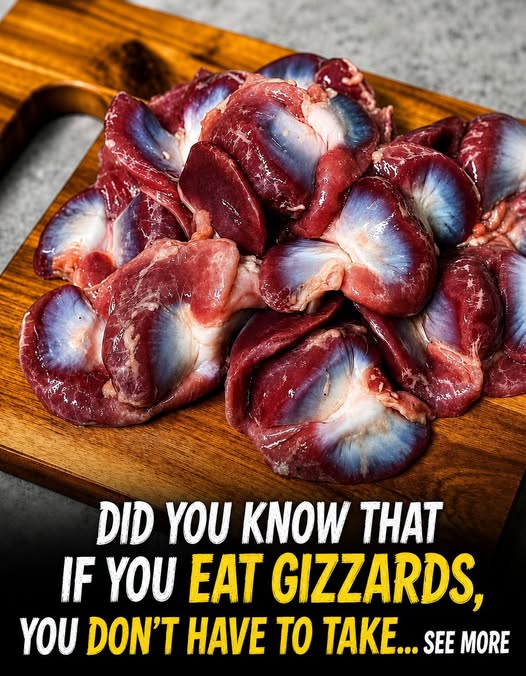
Did You Know? Chicken Gizzards Are Packed With Nutrients Many People Overlook
When people think about nutritious chicken meals, they usually picture grilled chicken breast, roasted thighs, or perhaps a comforting bowl of chicken soup.
Chicken gizzards rarely make the list.
For many people, the word itself is enough to make them hesitate. Gizzards are an organ meat, and their firm texture and unusual appearance can make them seem less appealing than familiar cuts of chicken.
But overlooking them could mean missing out on a surprisingly nutrient-dense food.
Chicken gizzards contain several vitamins, minerals, and other nutrients that contribute to normal body function. Depending on how they are prepared and how often they are eaten, they can be a useful addition to a balanced diet.
That does not mean gizzards can replace prescribed medication or every vitamin and mineral supplement. Nutritional needs vary from person to person, and anyone taking supplements for a diagnosed deficiency should follow advice from a qualified healthcare professional.
Still, if you’re looking for affordable ways to add more nutrients and variety to your meals, chicken gizzards are worth knowing about.
What Exactly Are Chicken Gizzards?
The gizzard is a specialized part of a bird’s digestive system.
Unlike the stomach most people are familiar with, the gizzard is a muscular organ that helps grind food. Chickens don’t have teeth, so the gizzard performs an important mechanical role in digestion.
Because it is made of strong muscle tissue, gizzard meat has a noticeably firmer and chewier texture than chicken breast.
That texture is one reason some people avoid it.
However, proper preparation can make a significant difference. Slow cooking, braising, stewing, pressure cooking, or carefully simmering the meat can soften it considerably.
In many cultures, gizzards have been part of traditional cooking for generations. They may be added to soups, stews, rice dishes, stir-fries, gravies, or served alongside vegetables and grains.
What was once considered an inexpensive leftover cut can actually provide a valuable source of nutrients.
A Useful Source of Protein
One of the most obvious nutritional advantages of chicken gizzards is protein.
Protein is essential for maintaining and repairing tissues throughout the body. It also contributes to the maintenance of muscle and supports numerous biological processes.
For people trying to build meals that are filling and nutritionally balanced, a protein-rich food can be particularly useful.
Instead of thinking of gizzards as something that must be eaten separately, consider them another protein option.
You can combine them with vegetables, beans, whole grains, or potatoes to create a complete meal.
The important point is that no single food needs to provide everything your body requires.
A varied diet generally gives you a much better nutritional foundation than relying heavily on one ingredient.
Iron Is Another Nutrient Worth Noticing
Iron is one of the minerals people commonly pay attention to when discussing nutrition.
Your body uses iron for several important functions, including the production of hemoglobin, the protein in red blood cells responsible for carrying oxygen.
When someone doesn’t get enough iron over time, they may develop iron deficiency. However, whether a person needs additional iron depends on their individual circumstances.
Chicken gizzards contain iron, which makes them potentially useful as part of an overall diet that includes other iron-containing foods.
It’s important to remember that iron requirements aren’t identical for everyone. Age, sex, pregnancy, health conditions, diet, and other factors can influence how much iron a person needs.
Someone who has been diagnosed with iron-deficiency anemia, for example, shouldn’t assume that adding gizzards to dinner is sufficient treatment.
A healthcare professional can determine the cause of the deficiency and whether dietary changes, supplementation, or other treatment is appropriate.
Vitamin B12 and the Nervous System
Another reason organ meats attract nutritional attention is their vitamin content.
Chicken gizzards provide vitamin B12, a nutrient involved in red blood cell formation and normal nervous-system function.
Vitamin B12 is particularly important because inadequate intake can become a concern for people following certain restrictive diets.
Animal foods are among the major dietary sources of naturally occurring vitamin B12, although fortified foods and supplements can also provide it.
For someone who regularly eats meat and other animal products, gizzards can contribute to overall B12 intake.
But again, food should not automatically be considered a substitute for a supplement that has been recommended for a specific deficiency.
If your doctor has advised you to take B12, iron, folate, or another nutrient supplement, don’t discontinue it simply because you’ve started eating more nutrient-rich foods.
Folate and Other B Vitamins
Chicken gizzards also provide other B vitamins, including folate.
B vitamins are involved in a wide range of processes throughout the body, including energy metabolism and the production and maintenance of cells.
This is one reason nutrition experts generally encourage people to consume a wide variety of foods rather than relying exclusively on highly processed meals.
Different foods contribute different nutrients.
A meal containing gizzards, vegetables, beans, and whole grains, for example, can provide a broader nutritional profile than a meal based primarily on refined carbohydrates.
Zinc and Mineral Content
Gizzards also contain minerals such as zinc.
Zinc plays a role in immune function, wound healing, DNA synthesis, and other physiological processes.
The amount of zinc you obtain from any individual food depends on portion size and preparation, but including different nutrient-containing foods throughout the week can help contribute to an adequate overall intake.
Other foods that provide zinc include meat, seafood, dairy products, eggs, legumes, nuts, and seeds.
Once again, variety matters.
There’s no need to treat one food as a nutritional miracle when the real goal is to build a diverse eating pattern.
Why Some People Say Gizzards Can Reduce Supplement Needs
This is where the headline surrounding chicken gizzards can become misleading.
Eating a food that contains a particular vitamin or mineral doesn’t necessarily mean you’ll no longer need a supplement.
Supplements are often used because a person’s dietary intake isn’t enough, because their body has difficulty absorbing a nutrient, or because a medical condition increases their requirements.
For example, someone might need additional vitamin B12 or iron because of a diagnosed deficiency.
Another person might have completely adequate nutrient levels and have no reason to supplement.
The difference is important.
A nutritious food can contribute to nutrient intake without being a direct replacement for medical treatment.
So rather than saying chicken gizzards “replace supplements,” a more accurate way to think about them is this:
They can be one nutritious food that helps support an overall diet.
An Affordable Alternative to More Expensive Foods
There’s another reason gizzards deserve attention: affordability.
Organ meats have traditionally been inexpensive compared with many premium cuts of meat.
That can make them particularly interesting for households trying to prepare nutritious meals while keeping grocery expenses under control.
Eating well doesn’t always require expensive ingredients.
Beans, lentils, eggs, canned fish, seasonal vegetables, oats, potatoes, and certain organ meats can all provide useful nutrition without necessarily carrying the price tag of specialty health foods.
Gizzards can fit into this category.
With the right preparation, an inexpensive cut can become a flavorful component of a hearty meal.
How to Prepare Chicken Gizzards
The biggest challenge for many first-time cooks is texture.
Gizzards contain dense muscle tissue, so cooking them quickly over high heat can leave them tough and chewy.
A slower cooking method is often more suitable.
You can clean the gizzards thoroughly, season them with herbs and spices, and simmer them until tender.
They can then be incorporated into soups, stews, rice dishes, sauces, or vegetable-based meals.
Some cooks also marinate them before cooking.
The exact preparation depends on the cuisine and personal preference.
Whatever method you choose, chicken products should be handled and cooked safely to reduce the risk of foodborne illness.
Keep raw poultry separate from ready-to-eat foods, wash hands and utensils after handling it, and cook it thoroughly.
Who Might Want to Be More Careful?
Although chicken gizzards can be nutritious, they aren’t automatically appropriate for every person in unlimited quantities.
People with particular medical conditions or dietary restrictions may need to pay attention to their intake of certain nutrients.
For example, individuals who have been advised to restrict dietary cholesterol or certain minerals should discuss organ meats with their healthcare provider or dietitian.
Pregnant individuals and people with weakened immune systems should also take food-safety precautions especially seriously and avoid undercooked poultry.
And anyone who has been prescribed supplements for a deficiency should not change their treatment without professional guidance.
Nutrition is personal.
What works well for one person may not be appropriate for another.
The Bigger Lesson About “Unpopular” Foods
Perhaps the most interesting thing about chicken gizzards isn’t that they’re some kind of miracle food.
They aren’t.
The real lesson is that nutritious ingredients don’t always come in attractive packaging.
Modern diets often focus on foods marketed as “superfoods,” while inexpensive traditional ingredients receive very little attention.
Yet many ordinary foods can contribute important nutrients.
The key is learning what different foods provide and combining them sensibly.
Chicken gizzards are one example.
They provide protein and several vitamins and minerals, while also offering a way to add variety to meals.
That doesn’t make them a replacement for vegetables, fruits, whole grains, legumes, fish, or other protein sources.
Instead, they can be another option in the rotation.
Should You Add Chicken Gizzards to Your Diet?
If you enjoy them and have no dietary reason to avoid them, chicken gizzards can certainly be part of a balanced eating pattern.
They may be especially appealing if you’re looking for affordable protein sources or want to explore traditional dishes you haven’t tried before.
Start with a small portion if you’re unfamiliar with the texture.