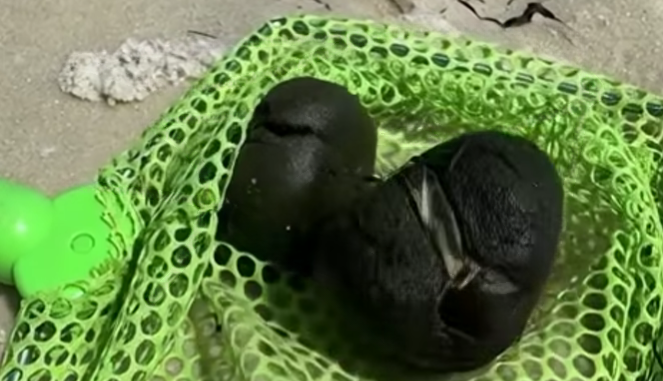
Mysterious Beach Discoveries Lead to a Fascinating Natural Explanation: Understanding the Surprising Things Found Along the Shore
A day at the beach offers a chance to relax, enjoy the ocean, and explore the natural world. Families stroll along the sand, children search for seashells, and visitors watch waves bring small objects toward the shoreline. Although beaches may appear familiar, they are constantly changing environments where the ocean, wind, weather, and marine life interact in remarkable ways.
Sometimes, an ordinary walk along the water reveals something unusual. A strange shape in the sand, a cluster of unfamiliar material, or an object uncovered by the retreating tide can quickly attract attention. What initially appears mysterious may eventually lead to a fascinating explanation rooted in nature.
These discoveries remind us that coastlines are much more than places for recreation. They are dynamic ecosystems where natural processes take place every day, often outside our awareness. Understanding what appears along the shore can help people appreciate marine environments, recognize wildlife, and respond appropriately when they encounter something unfamiliar.
Why Beaches Often Reveal Unexpected Discoveries
Beaches are constantly being reshaped by natural forces. Waves carry sand, shells, seaweed, and other materials from one location to another. Tides expose areas that were previously underwater, while storms can uncover objects that have remained buried for months or even years.
Because these processes happen continuously, the appearance of a beach can change dramatically between visits. A stretch of sand that looked completely ordinary in the morning might contain unfamiliar objects by the afternoon.
Several natural processes contribute to these discoveries.
Changing tides: As the tide rises and falls, it exposes different sections of the shoreline. Objects hidden beneath shallow water or buried in wet sand may become visible when the water retreats.
Ocean currents: Currents transport natural materials across long distances. Seaweed, driftwood, shells, and other debris may originate far from the place where they eventually wash ashore.
Wind and weather: Strong winds can move sand, uncover buried material, and carry lightweight objects across the beach. Heavy rainfall may also wash materials from nearby land into coastal areas.
Seasonal changes: Marine organisms often follow seasonal patterns. Certain shells, seaweeds, and other natural materials may become more noticeable at particular times of the year.
Marine life: Animals living in the ocean sometimes leave traces of their activity behind. Empty shells, egg cases, feathers, and other remains can offer clues about the wildlife present in a coastal area.
Together, these forces make every shoreline a constantly changing natural landscape.
How Children Turn an Ordinary Beach Visit Into an Exploration
Children frequently notice small details that adults overlook. While adults may focus on finding a comfortable place to sit or enjoying the view, young visitors often examine the sand closely, searching for unusual patterns, tiny shells, colorful stones, and unfamiliar objects.
This curiosity can turn a routine family outing into an opportunity for learning.
A child might notice a circular pattern left by water, a group of small holes in the sand, or an object with an unusual texture. These observations can lead to questions about how beaches form, where marine animals live, and why certain materials appear in particular places.
Instead of immediately assuming that an unfamiliar discovery is dangerous or extraordinary, families can use it as an opportunity to investigate carefully.
Parents can ask simple questions:
- Does the object appear to be natural or manufactured?
- Is it wet, dry, smooth, rough, or covered in sand?
- Are similar objects scattered nearby?
- Does the surrounding area contain seaweed, shells, or other clues?
- Has the tide recently changed, or has the weather been unusual?
These questions encourage observation and reasoning without requiring children to touch unfamiliar materials.
The goal is not necessarily to identify every discovery immediately. Sometimes, learning how to investigate a question responsibly is just as valuable as finding the answer.
Seaweed: An Unusual Appearance With an Important Purpose
One of the most common materials found along coastlines is seaweed. Depending on the species and local conditions, it may appear as thin strands, broad leafy pieces, tangled ribbons, or thick clusters.
After strong waves or changing tides, seaweed can accumulate in large amounts along the beach. To someone unfamiliar with the local environment, these piles may look unusual, particularly when they contain unfamiliar colors or textures.
In most cases, seaweed is a natural part of the coastal ecosystem.
Marine algae and seagrasses provide food, shelter, or habitat for many organisms. Seaweed floating in the ocean can offer protection to small fish and invertebrates, while material that reaches the shore may support insects, crustaceans, and other animals.
As seaweed decomposes, it returns nutrients to the environment. These nutrients can contribute to coastal food webs and help sustain other organisms.
However, not every accumulation should automatically be assumed harmless. Some coastal areas experience harmful algal blooms, and decaying material can sometimes produce unpleasant odors or create local environmental concerns.
Visitors should avoid touching unfamiliar mats of biological material, particularly when there are official advisories, unusual discoloration, dead fish, or other signs of a possible environmental problem. Local authorities can provide guidance when conditions are uncertain.
Strange Shapes in the Sand May Have Simple Explanations
The surface of a beach contains many patterns created by water, wind, and living organisms.
Small holes may be entrances to burrows made by crabs or other animals. Narrow channels can form as water drains back toward the ocean. Ripples may develop when waves move sand, while circular impressions can result from shells, stones, or other objects pressing into the surface.
Sometimes, a pattern that looks artificial is simply the result of repeated natural movement.
For example, waves can arrange small stones and shells into lines according to their size and weight. Wind may create parallel ridges across dry sand. Water moving around an obstacle can produce a curved pattern that resembles a deliberate design.
These patterns offer a useful reminder that nature does not need to be perfectly symmetrical to create visually interesting results.
Children can observe these formations from a safe distance and compare them with nearby areas. Looking at how the patterns change as the tide moves can help explain the relationship between water movement and sediment.
Shells and Other Signs of Marine Life
Seashells are among the most familiar discoveries on a beach, but they can still reveal interesting information about the surrounding environment.
Many shells once protected marine animals, including mollusks such as clams, mussels, and snails. After an animal dies or a shell becomes separated from its original occupant, waves and currents may carry it toward shore.
The condition of a shell can provide clues about its journey. A shell with sharp edges may have spent relatively little time being moved around by sand and water. A smooth, worn shell may have experienced more prolonged movement or weathering.
Color can also change over time because of sunlight, abrasion, mineral deposits, and biological growth.
Shells may be concentrated in certain sections of the beach because waves sort materials according to their size, shape, and weight. This is why a person might find many shells in one narrow strip of sand but very few nearby.
However, visitors should check local regulations before collecting shells. Some beaches protect shells and other natural materials because they contribute to wildlife habitat, coastal stability, or conservation efforts.
It is also important to leave living animals where they belong. A shell that appears empty may still contain a living creature, so it should never be removed without checking carefully from a safe distance.
Could the Discovery Be a Marine Animal?
Occasionally, people encounter unfamiliar marine organisms along the shoreline. Some may resemble pieces of plastic, unusual plants, or small transparent objects rather than recognizable animals.
Jellyfish, for example, can wash ashore after changes in currents or wind direction. Some species have delicate bodies that become difficult to recognize once they are stranded on wet sand.
Other marine organisms may have unusual shapes or textures that make identification difficult for people who rarely visit the coast.
The safest approach is to observe unfamiliar organisms without touching them.
Some animals can still sting or cause irritation after they have washed ashore. Their appearance alone may not indicate whether contact is safe, and children may be tempted to pick up an object simply because it looks interesting.
If an unfamiliar organism is found, adults should keep children and pets away and consult local beach guidance or a qualified wildlife authority if identification is necessary.
Photographs taken from a safe distance can help with identification without disturbing the animal.
When wildlife appears injured, stranded, or unusually concentrated in one location, contacting an appropriate local rescue or environmental organization may be the best option.
Ocean Currents Can Carry Materials Across Long Distances
One reason beach discoveries sometimes seem out of place is that the ocean can transport materials much farther than people expect.
Surface currents are influenced by wind, differences in water temperature and density, and the rotation of the Earth. Coastal currents are also affected by the shape of the shoreline, underwater features, and tides.
As a result, an object found on one