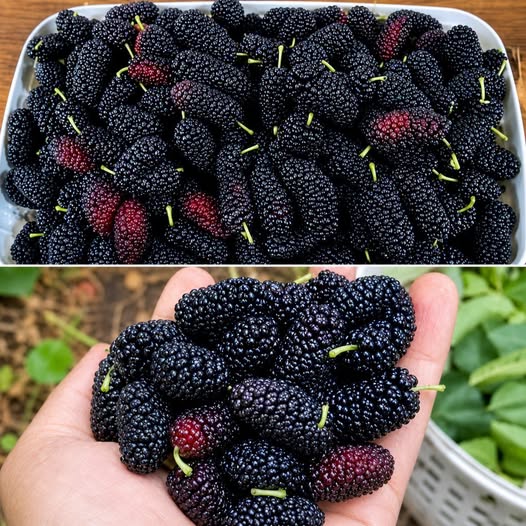
Have You Ever Tried This Seasonal Fruit? What to Know Before Adding It to Your Diet
Have you ever walked through a farmers’ market and noticed a fruit you’ve never seen before?
Maybe it had an unusual shape.
Perhaps its skin was a color you didn’t recognize.
It might have been smaller than an apple, larger than a plum, or covered with a texture that made you wonder how it was supposed to be eaten.
You may have picked it up, looked at the label, and thought:
What is this—and what am I supposed to do with it?
Discovering unfamiliar produce can be one of the most enjoyable parts of shopping for fresh food. Seasonal fruits often appear for only a limited period, giving shoppers an opportunity to try flavors and varieties they may not normally find in supermarkets.
But an unfamiliar fruit also raises practical questions.
What is it called?
How do you know when it is ripe?
Do you eat the skin?
Is the inside soft or firm?
Does it need to be refrigerated?
What nutrients does it contain?
And perhaps most importantly, how can you include it in an everyday diet without turning a healthy food into an overly complicated recipe?
The answer depends on the particular fruit.
There is no single nutritional profile shared by every seasonal fruit. Different fruits provide different combinations of vitamins, minerals, fiber, natural sugars, water, and other components.
That is one reason variety matters.
Rather than searching for one “perfect” fruit, it can be more useful to enjoy different fruits as part of an overall balanced eating pattern.
Why Seasonal Fruit Is Worth Exploring
Seasonal produce has an obvious advantage: freshness can make the eating experience more enjoyable.
Fruit picked and sold during its natural growing period may have a flavor and texture that are quite different from fruit that has traveled long distances or been stored for an extended period.
Seasonality also encourages variety.
Instead of buying the same apples, bananas, or oranges every week, shoppers may occasionally discover peaches, plums, berries, melons, pears, figs, apricots, or less familiar regional varieties.
The U.S. Department of Agriculture encourages people to incorporate seasonal and locally produced foods into meals when possible.
That doesn’t mean seasonal fruit is automatically healthier than fruit available at another time of year.
Nutrition depends on the individual fruit and the overall diet.
The bigger benefit is that seasonal shopping can make it easier to experiment with a wider range of whole foods.
First Question: What Fruit Is It?
Before discussing nutritional benefits, the most important step is identification.
An unfamiliar fruit should not be identified solely by appearance.
Several different fruits can have similar colors, shapes, or textures.
If you’re unsure, check the market label, ask the vendor, or compare the fruit with a reliable food reference.
Identification matters because preparation can vary.
Some fruits are normally eaten whole.
Others have inedible pits or tough outer coverings.
Some require peeling.
Others can be eaten directly after washing.
If the fruit is unfamiliar, don’t assume that every part is edible simply because it resembles another fruit you already know.
Look at the Fruit’s Appearance
Once you know the name, examine its physical characteristics.
Is the skin smooth or rough?
Is it thin or thick?
Does the fruit change color as it ripens?
Is the flesh firm, juicy, creamy, or fibrous?
Does it contain one large pit or many small seeds?
These characteristics can tell you a lot about how it should be prepared.
A fruit with a soft, edible skin may only require washing before eating.
A fruit with a thick peel may need to be cut open.
A fruit containing a large stone may need to be sliced around the pit.
Understanding these basics makes trying unfamiliar produce much easier.
How to Tell When a Fruit Is Ripe
Ripeness is another important consideration.
The best indicator varies by fruit.
For some varieties, color is a useful clue.
For others, aroma or firmness provides better information.
A ripe fruit may have a noticeable fragrance.
Some fruits soften slightly as they mature.
Others remain relatively firm even when ready to eat.
This is why there isn’t one universal test for ripeness.
If you are buying an unfamiliar fruit, ask the seller how it should feel when ripe.
That simple question can prevent a disappointing first experience.
What Nutrients Can Fruit Provide?
Fruit can contribute several important nutrients to the diet.
According to USDA guidance, fruits are sources of nutrients including dietary fiber, potassium, vitamin C, and folate.
However, the exact amounts vary considerably from one fruit to another.
For example, one fruit may be especially notable for vitamin C, while another provides more potassium or fiber.
This is why it is better to think about fruit as a diverse food group rather than treating every fruit as nutritionally identical.
Variety gives you access to different nutrients.
Fiber: One Reason Whole Fruit Matters
Dietary fiber is one of the useful components found in many fruits.
Fiber contributes to normal digestive function and can help make meals and snacks more satisfying.
Whole fruit generally provides more fiber than fruit juice.
USDA guidance specifically recommends that at least half of recommended fruit intake come from whole fruits, noting that juice contains less dietary fiber than whole fruit.
That doesn’t mean juice can never be part of a diet.
It simply highlights an important distinction.
Eating an orange and drinking orange juice are not nutritionally identical experiences.
The whole fruit contains the pulp and fiber that are reduced or absent in many juices.
Vitamin C and Fruit
Some fruits are excellent sources of vitamin C.
Vitamin C plays several roles in the body, including supporting normal immune function, collagen formation, and iron absorption.
But again, the amount varies by fruit.
Rather than assuming an unfamiliar seasonal fruit is automatically “high in vitamin C,” check reliable nutritional information for the specific variety.
This is especially important when writing or reading health-focused content.
A fruit can be nutritious without being an exceptional source of a particular vitamin.
Potassium and Fruits
Potassium is another nutrient found in many fruits.
It is involved in normal nerve function, muscle contraction, and fluid balance.
Some fruits contain substantially more potassium than others.
USDA resources identify foods such as bananas, cantaloupe, honeydew, kiwifruit, and several dried fruits as examples of fruit sources of potassium.
This illustrates why eating a mixture of fruits can be useful.
Different choices bring different nutritional characteristics to the table.
Folate and Other Nutrients
Some fruits also provide folate.
Folate is a B vitamin involved in normal cell division and other biological processes.
Beyond vitamins and minerals, fruits can contain naturally occurring plant compounds such as carotenoids and flavonoids.
The exact combination depends on the type of fruit.
Color can sometimes offer a visual clue because different plant pigments are associated with different compounds, but color alone cannot tell you exactly what nutrients a fruit contains.
Fruit Can Fit Into a Balanced Diet
One of the easiest ways to enjoy an unfamiliar seasonal fruit is to keep the preparation simple.
You don’t need to turn it into a complicated dessert.
Try eating it fresh.
Wash it appropriately.
Cut it into manageable pieces.
Remove any inedible pit or tough portion.
Then taste it on its own.
This gives you an opportunity to understand its natural flavor and texture.
If you like it, you can experiment with other preparations.
A Simple Breakfast Idea
Seasonal fruit can easily become part of breakfast.
Slice it over oatmeal.
Add it to plain or lightly sweetened yogurt.
Combine it with whole-grain cereal.
Mix it with other fresh fruit.
USDA’s MyPlate resources suggest adding fruit to breakfast foods such as cereal, pancakes, and oatmeal.
The advantage is convenience.
You don’t need a complicated recipe to increase the variety of fruit in your diet.
A Quick Snack
Fresh fruit can also make a convenient snack.
Keep washed, ready-to-eat fruit in an accessible location in the refrigerator when appropriate.
If the fruit needs to be cut, prepare a portion ahead of time and store it safely.
Pairing fruit with another food can create a more substantial snack.
For example, fruit can be combined with:
- Plain yogurt
- Unsalted nuts
- Seeds
- Whole-grain crackers
- Oatmeal
- Cottage cheese
- Nut or seed butter
The best combination depends on your preferences and dietary needs.
Add It to a Salad
An unfamiliar seasonal fruit can also add variety to salads.
Try combining sliced fruit with leafy greens, nuts, seeds, and a simple dressing.
Sweetness can balance savory ingredients.
A crisp fruit can add texture.
A softer fruit can create a different mouthfeel.
You don’t need to use a large amount.
A small portion can change the character of an otherwise familiar salad.
USDA also suggests incorporating fruit into meals such as salads and fruit salsas.
Make a Simple Fruit Salsa
Fruit salsa is another easy option.
Dice the fruit and combine it with ingredients such as:
- Fresh herbs
- Lime or lemon juice
- Cucumber
- Mild peppers
- Onion
- A small amount of seasoning
The exact combination depends on the fruit.
Some varieties work particularly well with acidic ingredients because the acidity balances sweetness.
Serve the mixture as a topping or side dish.
Blend It Into a Smoothie
If you have fruit that is becoming very ripe, a smoothie can be a practical way to use it.
Combine the fruit with yogurt, milk, or a fortified plant-based alternative.
Add another fruit if desired.
You can also include oats or other ingredients depending on the type of smoothie you want.
However, remember that blending fruit doesn’t automatically make it more nutritious than eating it whole.
If you enjoy the whole fruit, there’s no requirement to turn it into a drink.
Freeze Extra Fruit
Buying seasonal produce sometimes means you end up with more fruit than you can eat immediately.
Freezing can help reduce waste for fruits that freeze well.
USDA recommends freezing fresh produce before it spoils and notes that frozen fruit can be used for smoothies or other treats.
Preparation varies by fruit.
Some can be frozen in pieces.
Others may benefit from peeling, removing pits, or other preparation first.
Use appropriate food-storage practices and package the fruit in a way that limits exposure to air.
Fresh Isn’t the Only Option
Some people assume that fresh fruit is always the only worthwhile choice.
That’s not necessarily true.
Frozen and canned fruit can also fit into a balanced diet.
USDA notes that frozen and canned produce can be healthy options and recommends checking labels for products with lower amounts of added sugars, sodium, and saturated fat when applicable.
For canned fruit, USDA recommends choosing products packed in water or fruit juice rather than heavy syrup when possible.
This gives shoppers more flexibility.
You don’t have to rely exclusively on fresh produce to enjoy fruit throughout the year.
What About Dried Fruit?
Dried fruit can be convenient because it stores well and is easy to carry.
However, removing water concentrates the fruit, so a small amount of dried fruit can represent more fruit than it visually appears to.
That makes portion awareness useful.
Dried fruit can be added to oatmeal, salads, yogurt, or trail mixes.
When purchasing packaged dried fruit, check the ingredient list and nutrition label, particularly if you are trying to limit added sugars.
Is Fruit Too High in Sugar?
This is one of the most common questions about fruit.
Fruit naturally contains sugars, but whole fruit also contains water, fiber, vitamins, minerals, and other components.
The overall nutritional context matters.
Rather than labeling all fruit as “high sugar” or “low sugar,” consider the individual fruit and the portion.
Whole fruit is different from foods that contain large amounts of added sugar.
The USDA emphasizes choosing fruits that are nutrient-dense and limiting added sugars, saturated fat, and sodium in the overall eating pattern.
Why Whole Fruit Is Often the Better Starting Point
If you’re trying a fruit for the first time, eating it whole can be a useful starting point.
You get to experience its natural texture.
You can see how filling it is.
You can determine whether you enjoy its flavor without adding sugar or other ingredients.
And you retain the fruit’s naturally occurring structure and fiber.
This doesn’t mean every preparation method is unhealthy.
It simply makes whole fruit a straightforward option.
Be Careful With Unfamiliar Seeds and Pits
Not every part of every fruit is meant to be eaten.
Some fruits contain large pits or stones that should be removed.
Others have seeds that are normally discarded.
Certain unusual fruits may have preparation requirements that aren’t obvious from appearance alone.
If you’re unfamiliar with the fruit, identify it before eating all of its parts.
Do not assume that something is edible simply because it is attached to a fruit.
Washing Fresh Fruit
Before eating fresh produce, wash it appropriately under running water.
This is especially important for fruit that will be eaten raw.
Washing can remove dirt and some surface contaminants, although it isn’t a substitute for safe food handling.
If you cut fruit, use clean hands, utensils, and surfaces.
Proper storage also matters.
Storing Seasonal Fruit
Different fruits have different storage requirements.
Some continue ripening at room temperature.
Others should be refrigerated once ripe.
Some are best consumed quickly after purchase.
Others can last considerably longer under suitable conditions.
Because storage varies so much, follow recommendations for the specific fruit.
If you aren’t sure, ask the seller or consult a reliable food-safety or agricultural extension source.
Don’t Judge a Fruit by Its Appearance
One of the most enjoyable things about seasonal produce is discovering that appearance doesn’t always predict flavor.
An unusual fruit may taste sweet, tart, floral, creamy, crisp, or mildly flavored.
Two varieties of the same fruit can also taste noticeably different.
That’s why farmers’ markets can be such interesting places to shop.
You may discover a variety you’ve never encountered at a conventional supermarket.
Local Produce Can Introduce New Varieties
Farmers and local growers sometimes sell varieties that are less common in large supermarkets.
This can be especially useful for people who want to experiment with seasonal foods.
Ask questions.
What is it called?
Where was it grown?
When is it ripe?
How should it be stored?
How is it normally eaten?
Does it need to be peeled?
These questions can turn an unfamiliar purchase into a much better food experience.
The Nutritional Value Depends on the Whole Diet
It’s tempting to describe a particular fruit as a “superfood.”
But healthy eating generally isn’t about finding one extraordinary ingredient.
It is about the overall pattern.
USDA guidance recommends eating a variety of fruits because different fruits provide different nutrients.
That means you don’t need to choose between every fruit.
You can enjoy several.
An apple one day.
Berries another day.
A seasonal melon when it’s available.
A pear later in the week.
An unfamiliar fruit when you discover one.
Variety keeps meals interesting while also broadening the range of nutrients available from food.
A Simple Seasonal Fruit Plate
One easy way to enjoy a new fruit is to create a small fruit plate.
Choose two or three varieties.
Cut them into bite-sized pieces.
Arrange them together.
This lets you compare flavors and textures.
You may discover that the unfamiliar fruit tastes especially good alongside something you already enjoy.
Try combinations based on contrast.
Sweet with tart.
Soft with crisp.
Juicy with creamy.
Mild with aromatic.
You don’t need added sugar to make fruit interesting.
Pair Fruit With Protein
Fruit can also be combined with protein-containing foods.
For example:
- Apple with nut butter
- Berries with yogurt
- Pear with cottage cheese
- Fruit with unsalted nuts
- Melon with yogurt
These combinations can make snacks or light meals more substantial.
The exact choice should depend on your dietary preferences and needs.
Don’t Overcomplicate Healthy Eating
Sometimes nutrition articles make healthy eating sound much more difficult than it needs to be.
You don’t necessarily need special recipes.
You don’t need expensive ingredients.
You don’t need to eliminate every food you enjoy.
A simple approach can be remarkably practical:
Eat a variety of foods.
Include fruits and vegetables.
Choose whole fruits regularly.
Pay attention to portions.
Limit excessive added sugars.
Choose foods that fit your nutritional needs.
Enjoy the food you eat.
That approach is much easier to maintain than chasing complicated food rules.
Why Trying New Fruit Can Be Good for Your Routine
Eating the same foods repeatedly isn’t necessarily bad.
But adding variety can make meals more enjoyable.
If you’re tired of your usual snacks, a seasonal fruit can provide a simple change.
Instead of reaching for the same packaged snack every afternoon, try a piece of fresh fruit.
Instead of preparing the same breakfast every day, add a different seasonal variety.
Small changes can make healthy eating feel less repetitive.
What If You Don’t Like It?
That’s perfectly fine.
Not every fruit will appeal to everyone.
You may dislike the texture.
Perhaps the flavor is too tart.
Maybe it is simply different from what you expected.
Trying something once doesn’t mean you have to eat it regularly.
Taste preferences can also change.
A fruit you dislike as a child may become something you enjoy years later.
Food is personal.
There is no requirement to love every nutritious food.
A Better Way to Think About “Healthy” Fruit
Rather than asking:
“Is this fruit healthy?”
A more useful question is:
“How can this fruit fit into my overall eating pattern?”
That distinction matters.
Almost any food can be discussed without exaggeration when its role in the overall diet is considered.
Fruit can contribute valuable nutrients.
It can add flavor and variety.
It can replace some less nutrient-dense snack choices.
But no single fruit is a complete diet.
Balance remains important.
Seasonal Doesn’t Mean Magical
Seasonal produce sometimes gets surrounded by exaggerated health claims.
A fruit may be described as a miracle food or presented as a solution for numerous health problems.
It’s better to be cautious with those claims.
Nutrition is more complicated than that.
A fruit can be nutritious without curing diseases, dramatically changing metabolism, or producing overnight results.
USDA guidance focuses on variety, nutrient density, and an overall healthy eating pattern rather than one particular fruit being responsible for health outcomes.
That’s a more realistic and sustainable way to think about nutrition.
The Best Reason to Try It May Be Simple
Sometimes the best reason to try an unfamiliar fruit isn’t a complicated health claim.
It’s curiosity.
Food is part of culture.
Different regions grow different varieties.
Families prepare them in different ways.
Some fruits are eaten fresh.
Others are cooked.
Some become preserves.
Some are added to salads.
Others are simply enjoyed straight from the refrigerator.
Trying something unfamiliar can expand your knowledge of food without requiring a major change to your lifestyle.
How to Make Seasonal Fruit a Habit
If you want to eat more fruit regularly, make it easy.
Keep fruit visible.
USDA’s MyPlate guidance recommends keeping fruit on hand and making it easy to see and access.
Buy several varieties rather than a large amount of one type.
Choose fruit that is convenient for your routine.
Prepare some portions in advance.
Keep frozen fruit available when fresh options aren’t practical.
And don’t wait for a complicated recipe.
The simplest option is often the one you’ll actually use.
A Simple Weekly Approach
You could create a simple routine:
Monday: Fresh fruit with breakfast.
Tuesday: Fruit and yogurt as a snack.
Wednesday: Add fruit to a salad.
Thursday: Try a seasonal variety you’ve never eaten.
Friday: Blend ripe fruit into a smoothie.
Saturday: Prepare a simple fruit plate.
Sunday: Freeze any fruit that won’t be eaten soon.
The goal isn’t perfection.
The goal is making fruit a convenient part of normal meals.
What Makes an Unfamiliar Fruit Worth Remembering?
A new fruit becomes memorable when you understand more than its name.
You learn where it grows.
You learn when it is available.
You learn how it should be handled.
You learn what it tastes like.
You learn which foods complement it.
And you discover how it fits into your everyday meals.
That turns an unfamiliar piece of produce into something you can confidently buy again.
Final Thoughts
The next time you encounter an unfamiliar seasonal fruit at a farmers’ market or grocery store, don’t automatically walk past it.
Take a closer look.
Find out what it is.
Ask how it should be eaten.
Learn when it is ripe.
Then try it in the simplest way possible.
Fruit is an important part of a varied eating pattern, and different fruits provide different combinations of nutrients such as fiber, potassium, vitamin C, and folate. USDA guidance also emphasizes choosing whole fruits regularly and enjoying a variety of fruit choices.
You don’t need to call a fruit a “miracle food” to appreciate it.
You don’t need an elaborate recipe.
And you certainly don’t need to change your entire diet because you discovered something new at the market.
Sometimes healthy eating is simply about being curious enough to try something different.
That unfamiliar fruit sitting in the produce section may turn out to become a new favorite.
And even if it doesn’t, you’ve learned something new about food—and that’s a worthwhile discovery in itself.