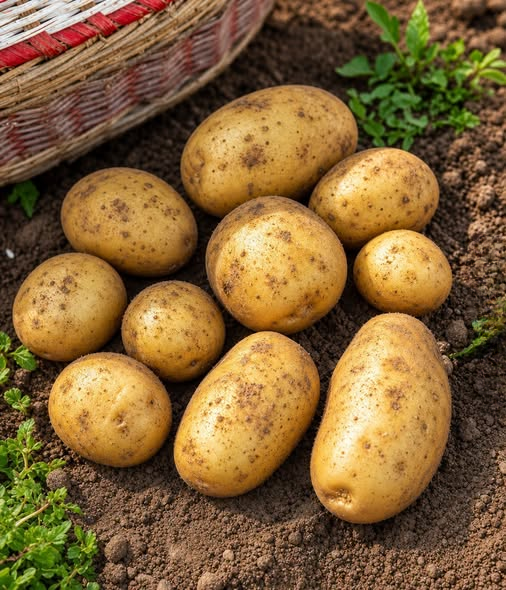
The Surprising Ways Potatoes Affect Your Body: What Science Says About This Everyday Food
Potatoes have occupied a central role in human nutrition and global agriculture for centuries. Finding their way into countless culinary traditions, they are celebrated for being budget-friendly, accessible, and uniquely adaptable. Whether served baked, mashed, incorporated into hearty soups, or roasted to a crisp perfection, this humble root vegetable remains a fixture in domestic kitchens and commercial dining alike.
However, beyond their culinary comfort and versatility, modern nutritional science invites us to look closer at what happens physiologically when potatoes become a regular part of our weekly menu. Are they an innocent cornerstone of a balanced lifestyle, or do they carry hidden metabolic consequences? Let us explore what peer-reviewed research reveals about how everyday potato consumption impacts the human body.
1. Nutritional Profile: A Closer Look at the Tuber
To understand how potatoes affect the body, we must first examine their chemical and structural composition. Far from being “empty calories”—a label frequently and unfairly assigned to starchy foods—whole potatoes are nutrient-dense agricultural products.
A standard medium-sized potato (roughly 5.3 ounces or 148 grams) consumed with its skin intact provides a wealth of essential macro- and micronutrients:
-
Calories: Approximately 110 calories, making them an efficient source of dietary energy.
-
Carbohydrates: Roughly 26 grams, primarily composed of complex starches that supply steady fuel for muscular and cognitive activity.
-
Dietary Fiber: Around 2 to 3 grams (largely concentrated in the skin), which supports healthy gastrointestinal motility.
-
Vitamin C: An impressive antioxidant punch, supplying roughly 30% of the recommended daily value, which assists in immune defense and collagen synthesis.
-
Potassium: Containing upwards of 620 milligrams per serving, potatoes actually outrank bananas in potassium content, helping support fluid balance and optimal cardiovascular function.
-
Vitamin B6: Essential for amino acid metabolism, nervous system health, and cognitive development.
Despite these impressive metrics, how the potato is prepared fundamentally alters its physiological footprint. Boiling or baking yields an entirely different biological response compared to deep-frying or drenching the vegetable in saturated fats and excessive sodium.
2. Metabolic Impact: Blood Sugar, Starch, and Glycemic Response
One of the most heavily debated aspects of potato consumption centers on how they influence blood glucose and insulin dynamics.
The Nature of Potato Starch
The predominant carbohydrate in potatoes is starch, a large portion of which consists of amylopectin. Amylopectin is structurally branched, allowing digestive enzymes to break it down rapidly into glucose molecules. Consequently, boiled, baked, or mashed white potatoes generally possess a high glycemic index (GI). When ingested, they can provoke a swift spike in blood sugar followed by a corresponding release of insulin.
For elite athletes, manual laborers, or individuals recovering from exhaustive physical exertion, this rapid carbohydrate absorption can be advantageous, quickly replenishing depleted muscle glycogen stores. However, for sedentary individuals or those managing insulin resistance or type 2 diabetes, frequent consumption of high-GI foods requires careful portion management and strategic meal pairing.
The Power of Resistant Starch
Interestingly, science highlights a fascinating culinary hack that modifies this glycemic response: retrograded starch (often called resistant starch).
When a potato is cooked and subsequently allowed to cool (such as in a potato salad or leftover roasted potatoes stored overnight in the refrigerator), a chemical rearrangement occurs. Part of the digestible starch recrystallizes into a form that resists enzymatic breakdown in the small intestine. This resistant starch travels intact to the large resident microbiome, where beneficial gut bacteria ferment it into short-chain fatty acids like butyrate. This process not only blunts the blood glucose spike upon reheating or cold consumption but also nourishes the gut lining and enhances satiety.
3. Cardiovascular Health and Blood Pressure Realities
The relationship between potatoes and cardiovascular parameters—such as blood pressure and systemic inflammation—has generated substantial academic inquiry.
The Potassium Paradox
On paper, potatoes should be stellar allies for cardiovascular wellness. Because they are naturally sodium-free and packed with abundant potassium, they possess the exact mineral ratios recommended by cardiologists to help mitigate hypertension and stroke risks. Potassium assists in relaxing blood vessel walls and blunting the hypertensive effects of dietary sodium.
However, large-scale epidemiological studies have occasionally presented complex findings. Some prospective cohort studies noted an association between high potato consumption and an increased incidence of hypertension over decades of tracking. Nutrition scientists point out a critical confounding variable: preparation methods and dietary context.
When researchers control for how potatoes are eaten—separating deep-fried French fries, heavily salted chips, and butter-laden mashed variations from plain boiled or baked varieties—the direct association between whole potatoes and cardiovascular risk diminishes significantly. Plain, whole-food preparations support heart health through micronutrient density, whereas processed, high-fat, high-sodium potato products introduce systemic cardiovascular strain.
4. Satiety, Weight Management, and the Satiety Index
In the realm of weight management, potatoes frequently get an undeserved bad reputation simply because they are carbohydrates. Yet, empirical satiety research tells a very different story.
In landmark studies evaluating how different foods satisfy hunger (such as the famous Satiety Index developed by Australian researchers), boiled potatoes ranked as the most filling food tested out of 38 everyday items. They outperformed croissants, white bread, candy bars, and even protein-rich options like steak and fish in their ability to suppress subjective hunger scores over a two-hour window.
This powerful satiety effect is driven by a combination of:
-
Water volume: The natural moisture trapped within the cellular matrix of a boiled potato.
-
Dietary fiber: Particularly when consumed with the skin on, helping slow gastric emptying.
-
Protease inhibitors: Specific protein compounds naturally present in potatoes that have been observed to interact with cholecystokinin (CCK), a gut hormone that signals fullness to the brain.
For individuals attempting to maintain a caloric deficit or manage weight, substituting nutrient-dense, boiled or baked potatoes for highly refined, calorie-dense snack foods can naturally curb overeating and promote sustained fullness.
5. Antioxidant Defenses and Cellular Protection
While white potatoes are often visualized as entirely pale, their flesh and skins harbor a rich array of bioactive plant compounds and antioxidants.
-
Carotenoids: Varieties with yellow or orange flesh contain lutein and zeaxanthin, which support visual acuity and cellular integrity.
-
Anthocyanins: Red and purple potato varieties are rich in these potent phenolic pigments, which exhibit strong free-radical scavenging capacities, helping counter oxidative stress within human tissue.
-
Chlorogenic Acid: Concentrated heavily in the skin, this polyphenol has been studied for its potential to support healthy vascular function and help regulate metabolic pathways.
Incorporating colorful potato cultivars into a balanced diet expands the spectrum of phytonutrients consumed, offering protective benefits that extend far beyond basic macronutrient fuel.
6. Potential Downsides and Safety Considerations
While whole potatoes offer substantial nutritional merits, certain safety and physiological factors warrant attention:
-
Glycoalkaloids (Solanine): When potatoes are exposed to light, physical damage, or prolonged storage, they can turn green and produce natural toxins called glycoalkaloids (such as solanine and chaconine). Consuming green or sprouted portions can cause gastrointestinal distress or neurological symptoms. It is vital to store potatoes in cool, dark environments and trim away any green blemishes prior to cooking.
-
Fried and Processed Variants: The method of cooking dictates health outcomes. Deep-frying potatoes at high temperatures creates advanced glycation end-products and acrylamides—compounds linked to cellular inflammation and oxidative stress. Minimizing deep-fried items like chips and french fries is universally advised by clinical dietitians.
-
Glycemic Load for Diabetics: Individuals managing blood sugar imbalances must account for the portion size and preparation style of potatoes, ideally pairing them with healthy fats, lean proteins, or vinegar-based dressings (which further slow gastric emptying) to blunt glycemic spikes.
Conclusion
Science reveals that the everyday potato is neither a miracle cure-all nor a dietary villain. At its core, the potato is a nutrient-dense, versatile, and affordable agricultural staple brimming with essential vitamins, minerals, and protective antioxidants.
How potatoes affect your body ultimately depends on how they are prepared and what they are served with. Opting for boiled, baked, or air-roasted whole potatoes—especially when allowed to cool to develop resistant starch—harnesses their full physiological benefits, supporting energy levels, gut health, and satiety without compromising metabolic wellness.