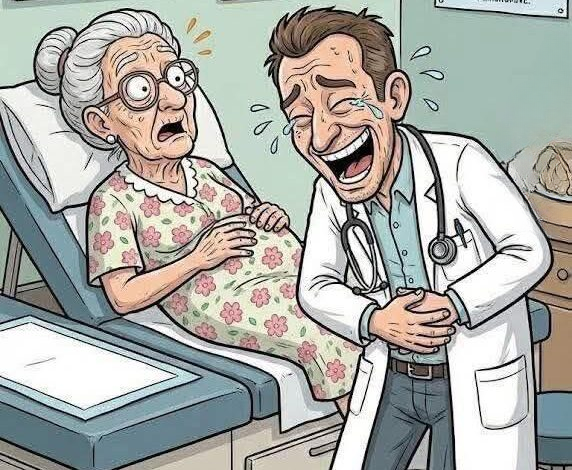
An Unexpected Visit to the Doctor
At 80 years old, Margaret had always taken pride in her independence. She lived on her own, managed her daily routine with confidence, and rarely visited a doctor’s office unless she felt it was truly necessary.
For years, she believed that minor aches and discomforts were simply part of growing older.
But one afternoon, she realized something wasn’t improving on its own.
A persistent itch had become increasingly difficult to ignore.
At first, it seemed like a small irritation that would disappear after a day or two. Instead, the discomfort continued, making everyday activities less enjoyable and interrupting her sleep.
Eventually, she decided it was time to schedule an appointment.
Looking for Answers
When the day arrived, Margaret calmly explained her symptoms to her physician.
The appointment began with routine questions about her medical history, medications, and recent activities.
After a brief examination, the doctor suggested what he believed was the most likely explanation and recommended treatment.
Although the diagnosis sounded reasonable, Margaret couldn’t shake the feeling that something didn’t quite fit her experience.
She thanked the doctor, filled the prescription, and followed the instructions carefully.
When Symptoms Didn’t Improve
Several days passed.
Instead of feeling better, the irritation remained.
Although the treatment caused no serious problems, it also didn’t solve the issue she had originally hoped to address.
Rather than becoming discouraged, Margaret decided to seek another opinion.
She believed that asking additional questions was part of taking good care of her health.
A Fresh Perspective
At her second appointment, another physician spent additional time reviewing her medical history and discussing when the symptoms had first appeared.
The doctor also asked detailed questions about skincare products, laundry detergents, recent environmental changes, and everyday habits.
After a more thorough examination, a different explanation emerged.
The irritation appeared to be the result of a skin sensitivity rather than the original diagnosis.
A few adjustments to her skincare routine and a different treatment plan were recommended.
Gradual Improvement
Within a short period, Margaret noticed steady improvement.
The itching became less noticeable, and eventually it disappeared altogether.
More importantly, she felt reassured that the underlying cause had been properly evaluated.
The experience reminded her that healthcare sometimes involves careful observation, follow-up appointments, and adjustments along the way.
Why Second Opinions Can Be Helpful
Medicine is complex, and many conditions can share similar symptoms.
For that reason, healthcare professionals may occasionally recommend additional testing or referral to another specialist when symptoms persist or remain unclear.
Seeking another medical opinion doesn’t mean the first doctor was necessarily wrong.
Instead, it can provide additional information that helps guide appropriate care.
Communicating with Your Healthcare Provider
Margaret also learned the importance of asking questions during appointments.
Helpful questions may include:
- What are the possible causes of these symptoms?
- Are there other conditions that should be considered?
- What should I expect after starting treatment?
- When should I return if symptoms continue?
- Would additional testing be helpful?
Open communication allows patients and healthcare providers to work together toward the most appropriate care.
Listening to Your Body
Persistent symptoms should not automatically be dismissed as a normal part of aging.
Whether someone is young or older, changes in health deserve thoughtful attention when they continue or interfere with daily life.
Early evaluation often provides reassurance and, when necessary, allows treatment to begin sooner.
The Value of Patience
Healthcare is not always about finding immediate answers.
Sometimes it takes observation, follow-up visits, or trying different approaches before the cause of a symptom becomes clear.
Remaining patient while continuing to communicate with healthcare professionals can often lead to better outcomes.
Final Thoughts
Margaret’s experience became an important reminder that looking after your health involves more than simply accepting the first explanation you hear.
When symptoms continue or something doesn’t feel quite right, asking questions and seeking additional medical guidance can be a practical and responsible decision.
Every health journey is different, and thoughtful communication between patients and healthcare professionals plays an important role in reaching the best possible outcome.
Sometimes, the most valuable lesson isn’t just finding the right diagnosis—it’s learning the importance of staying informed, asking questions, and actively participating in your own healthcare.