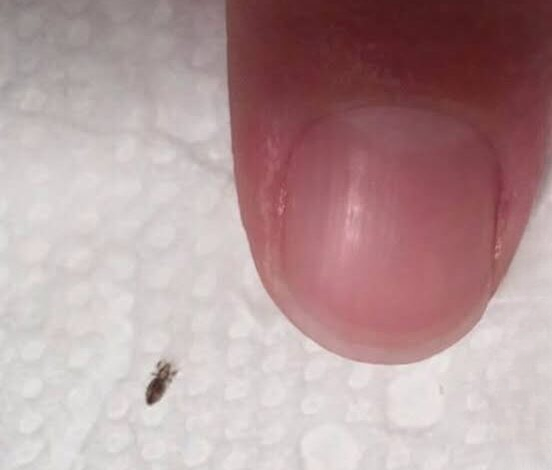
Understanding Head Lice
Discovering head lice can be an unexpected and frustrating experience, especially for families with school-aged children. Although head lice are common, they are often surrounded by unnecessary worry and misconceptions.
The good news is that head lice are manageable with the right approach. Learning how they spread, how to identify them, and what steps to take can make dealing with the situation much less stressful.
Rather than reacting with panic, understanding the facts is the best way to respond effectively.
What Are Head Lice?
Head lice are tiny insects that live on the human scalp and feed on small amounts of blood. They are specially adapted to cling to hair and survive close to the scalp, where warmth and access to food are readily available.
Adult lice are small and move quickly, making them difficult to spot. Their eggs, commonly called nits, are usually attached firmly to individual hair strands near the scalp.
Unlike dandruff, nits do not brush away easily.
How Head Lice Spread
One of the most common misconceptions is that head lice are related to poor hygiene.
In reality, head lice can affect anyone, regardless of how often they wash their hair.
They spread primarily through direct head-to-head contact, making schools, childcare centers, sports activities, and sleepovers common places for transmission.
Less commonly, lice may spread through shared personal items such as:
- Hairbrushes
- Combs
- Hair accessories
- Hats
- Scarves
- Helmets
Avoiding the sharing of personal hair items can help reduce the risk.
Common Signs to Watch For
Head lice may not always cause symptoms immediately, but common signs can include:
- Frequent scratching of the scalp
- A tickling or crawling sensation in the hair
- Small white or tan nits attached near the scalp
- Difficulty sleeping due to scalp irritation
- Mild redness caused by scratching
Because itching can have many causes, finding live lice or nits is usually necessary to confirm their presence.
Checking the Hair
If head lice are suspected, examining the scalp carefully can help.
Pay particular attention to:
- Behind the ears
- The hairline around the neck
- Areas close to the scalp
Using a fine-toothed lice comb in bright lighting may make detection easier.
Checking all household members can also be helpful if one person has been diagnosed.
Treating Head Lice
Several treatment options are available.
Depending on the situation, treatment may include:
- Over-the-counter lice treatment products
- Prescription treatments recommended by a healthcare professional
- Careful removal of nits with a specialized lice comb
Following product instructions carefully is important, as some treatments require a second application several days later to address newly hatched lice.
Cleaning Personal Items
Although lice survive only a limited time away from the human scalp, cleaning commonly used items can provide additional reassurance.
Helpful steps include:
- Washing recently worn clothing, bedding, and towels according to care instructions.
- Cleaning combs and brushes.
- Vacuuming upholstered furniture and carpets if appropriate.
Extensive household cleaning or the use of chemical sprays is generally not considered necessary for managing head lice in the home.
Preventing Future Spread
While it may not always be possible to prevent head lice completely, several habits may help reduce the likelihood of transmission.
These include:
- Avoiding head-to-head contact during play.
- Not sharing hats, brushes, or hair accessories.
- Performing occasional scalp checks during school outbreaks.
- Encouraging children to store personal belongings separately when possible.
These simple precautions can help reduce the chance of lice spreading among family members or classmates.
Staying Calm
Finding head lice can feel overwhelming at first, but it is important to remember that they are a common issue experienced by many families.
They are not a sign of poor cleanliness or parenting.
With patience, proper treatment, and careful follow-up, most cases can be successfully managed.
Approaching the situation calmly often makes the process easier for both adults and children.
When to Seek Professional Advice
If symptoms continue despite treatment, or if you are unsure whether lice or another scalp condition is causing irritation, consider speaking with a healthcare professional.
They can help confirm the diagnosis and recommend the most appropriate treatment based on individual circumstances.
Final Thoughts
Head lice are an inconvenience, but they are a manageable one.
Understanding how lice spread, recognizing the signs early, and following appropriate treatment recommendations can help reduce discomfort and limit further transmission.
The key is to respond with accurate information rather than unnecessary worry. With consistent care and a practical approach, most families can resolve head lice successfully and return to their normal routines.