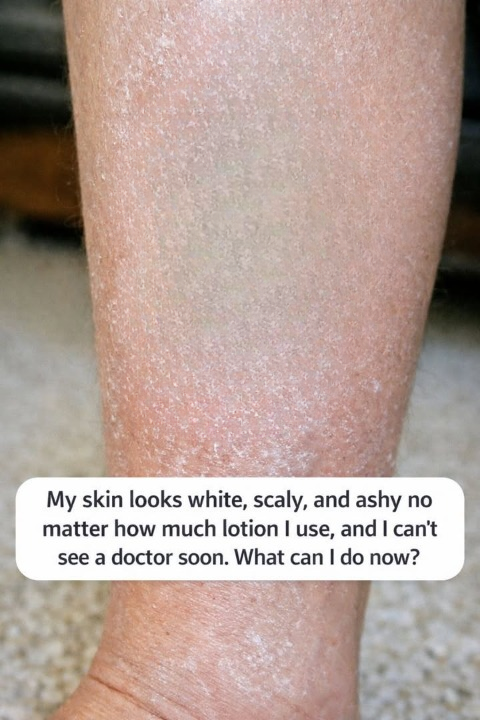
Dry, flaky skin is something many people experience at some point in their lives. Sometimes it appears only during the colder months, while for others it may become an ongoing concern. You might apply lotion several times a day, yet your skin still looks white, rough, or “ashy,” leaving you wondering why your moisturizer doesn’t seem to be helping.
If you’re unable to see a healthcare professional right away, there are several gentle skin-care habits that may improve comfort and help support your skin’s natural moisture barrier in the meantime. While these suggestions are not a substitute for medical care, they may provide temporary relief for many common causes of dry skin.
Let’s explore why skin can become persistently dry and what practical steps you can take at home.
Understanding Dry Skin
Your skin acts as a protective barrier between your body and the environment. It helps retain moisture while shielding you from irritants, bacteria, and changes in temperature.
When that protective barrier becomes weakened, moisture escapes more easily, leaving the skin feeling:
- Dry
- Tight
- Rough
- Flaky
- Itchy
- Ashy or white in appearance
Dry skin can affect people of all ages and skin tones. On deeper skin tones, dryness often appears as a gray or whitish “ashy” look because tiny flakes become more visible on the surface.
Why Lotion Sometimes Doesn’t Seem to Work
Many people assume that any lotion should solve dry skin.
In reality, not all moisturizers work the same way.
Some products mainly contain water and light oils, providing temporary hydration that evaporates quickly.
Others contain ingredients designed to help lock moisture into the skin for longer periods.
If your skin barrier is already very dry or irritated, applying a lightweight lotion alone may not provide enough support.
Moisturize Immediately After Bathing
One of the simplest habits that may help is applying moisturizer within a few minutes after bathing or washing your hands.
After gently patting your skin mostly dry—rather than rubbing it vigorously—apply moisturizer while the skin is still slightly damp.
This helps trap some of the remaining water in the outer layer of the skin.
Choose Richer Moisturizers
If thin lotions aren’t helping, you may benefit from trying thicker moisturizing products.
Many dermatologists recommend creams or ointments rather than lightweight lotions for very dry skin.
Look for products containing ingredients such as:
- Ceramides
- Glycerin
- Petrolatum
- Shea butter
- Hyaluronic acid
- Mineral oil
These ingredients help support the skin barrier and reduce moisture loss.
Avoid Very Hot Showers
Long, hot showers may feel relaxing, but they can remove some of the skin’s natural protective oils.
Instead, consider:
- Shorter showers
- Warm rather than hot water
- Gentle cleansing products
These small adjustments may help reduce additional dryness.
Use Gentle Cleansers
Some soaps contain strong detergents that remove oils from the skin.
If possible, choose fragrance-free, gentle cleansers designed for sensitive or dry skin.
Avoid scrubbing aggressively with rough washcloths or exfoliating products if your skin already feels irritated.
Pat—Don’t Rub—Your Skin Dry
After bathing, gently pat the skin with a soft towel.
Rubbing vigorously can increase irritation and remove some of the moisture remaining on the skin.
Immediately follow with moisturizer.
Consider Indoor Humidity
Dry indoor air, especially during colder months when heating systems are running, may contribute to dry skin.
If your home feels especially dry, using a humidifier according to the manufacturer’s instructions may help add moisture to the air.
Even simple steps such as keeping indoor humidity at comfortable levels may improve skin comfort for some people.
Drink Enough Fluids
Hydration supports many normal body functions.
Although drinking more water alone won’t cure dry skin, staying adequately hydrated contributes to overall health.
Remember that skin moisture depends on many factors beyond water intake, including climate, skincare habits, and the skin barrier itself.
Protect Your Hands
Frequent hand washing is important, but repeated exposure to soap and water may increase dryness.
After washing:
- Pat hands dry.
- Apply hand cream.
- Reapply throughout the day as needed.
If you use cleaning products or wash dishes frequently, wearing protective gloves may also help.
Wear Soft, Comfortable Fabrics
Some materials may irritate already dry skin.
Many people find soft, breathable fabrics such as cotton more comfortable than rough or scratchy materials.
If wool or certain synthetic fabrics seem irritating, wearing a soft layer underneath may help.
Avoid Scratching
Dry skin often becomes itchy.
Although scratching may provide temporary relief, it can further irritate the skin and increase the risk of small breaks in the skin.
Instead, try:
- Reapplying moisturizer.
- Using cool compresses if appropriate.
- Keeping fingernails trimmed.
If itching becomes severe or persistent, it’s important to seek medical advice when possible.
Watch for Possible Irritants
Sometimes everyday products contribute to skin dryness.
Examples include:
- Strong detergents
- Fragranced body washes
- Alcohol-based products
- Certain cleaning chemicals
- Some laundry products
If you notice your skin worsens after using a particular product, switching to gentler alternatives may help.
Nutrition Supports Skin Health
Healthy skin depends on many nutrients.
Eating a balanced diet that includes:
- Fruits
- Vegetables
- Whole grains
- Lean proteins
- Healthy fats
supports overall wellness, including skin health.
No single food can instantly improve dry skin, but consistent healthy eating contributes to normal skin function.
Be Patient
Very dry skin often improves gradually rather than overnight.
Consistent daily care is usually more effective than trying many different products for only a day or two.
Give new moisturizing routines time before deciding whether they’re helping.
When Should You Seek Medical Care?
While many cases of dry skin improve with home care, some symptoms deserve professional evaluation.
Arrange medical care as soon as you’re able if you notice:
- Severe cracking or bleeding
- Signs of infection
- Rapidly spreading rash
- Blisters
- Significant pain
- Fever along with skin changes
- Skin changes that continue worsening despite consistent care
Persistent dryness may sometimes be associated with underlying skin conditions or other health concerns that require individualized treatment.
Common Myths About Dry Skin
Myth 1: More Lotion Is Always Better
Applying large amounts of lotion repeatedly may not help if the product isn’t appropriate for your skin or if moisture isn’t being sealed into the skin barrier.
Myth 2: Dry Skin Means You Aren’t Drinking Enough Water
Hydration matters, but many factors influence dry skin.
Environmental conditions, age, skincare products, and underlying health conditions can all contribute.
Myth 3: Scrubbing Removes Dry Skin
Aggressive exfoliation often worsens already irritated skin.
Gentle care is usually the better approach.
Myth 4: Oily Skin Can’t Be Dry
Even people with naturally oily skin can experience dehydration or damage to the skin barrier.
A Simple Daily Routine
A basic routine for dry skin might include:
Morning
- Wash with a gentle cleanser if needed.
- Apply moisturizer.
After Washing Hands
- Reapply hand cream.
After Bathing
- Pat skin dry.
- Apply a rich moisturizer within a few minutes.
Evening
- Moisturize again before bed.
Consistency often makes the greatest difference.
Caring for Your Skin During Different Seasons
Cold weather and low humidity often increase dryness.
During winter months, you may benefit from:
- Thicker moisturizers
- Shorter showers
- Humidifiers
- Gloves when outdoors
In warmer weather, lighter moisturizers may be sufficient for some individuals.
Final Thoughts
Dry, flaky, white, or ashy skin can be frustrating, especially when lotion doesn’t seem to provide lasting relief. In many cases, the issue isn’t simply a lack of moisturizer—it may involve the skin’s natural protective barrier, environmental conditions, or the type of skincare products being used.
Simple habits such as using richer moisturizers, applying them immediately after bathing, avoiding very hot showers, choosing gentle cleansers, protecting your skin from harsh chemicals, and maintaining a consistent skincare routine may help improve comfort while you wait to see a healthcare professional.
If your symptoms become severe, painful, or continue to worsen, seeking medical advice remains the best course of action. In the meantime, gentle daily care and patience can often go a long way toward supporting healthier, more comfortable skin.