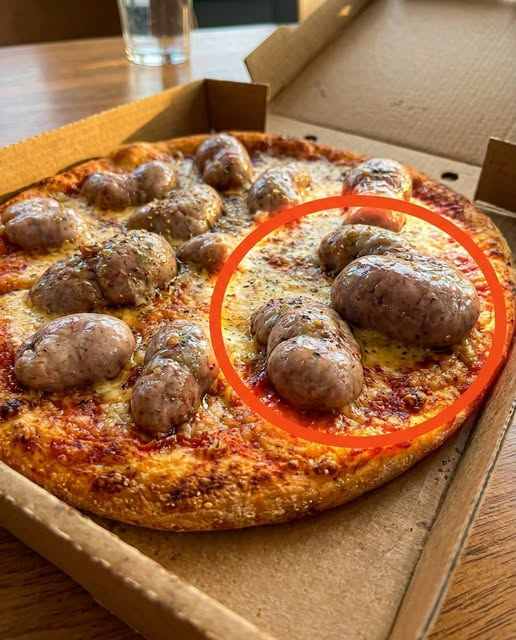
A Pizza Night That Took an Unexpected Turn
After a busy day filled with work and responsibilities, I was looking forward to a relaxing evening. My plan was simple: order a freshly baked pizza, settle onto the couch, and enjoy a quiet night with a favorite movie. It sounded like the perfect way to unwind.
When the delivery arrived, the delicious aroma immediately filled the room. Everything seemed normal until I opened the pizza box. Across the surface of the crust were several large, golden bubbles. They looked unusual, almost as if something had gone wrong during baking.
For a brief moment, I hesitated. Was the pizza safe to eat? Had the dough been prepared incorrectly? Was it a sign that the ingredients had spoiled?
Instead of making assumptions, I decided to learn more about why pizza crust sometimes develops these strange-looking bubbles. What I discovered completely changed the way I look at pizza—and it turns out those bubbles are often a sign of quality rather than a problem.
If you’ve ever noticed similar bubbles on your own pizza, you’re certainly not alone. Here’s everything you should know.
The First Impression Can Be Misleading
When people see something unexpected on their food, it’s natural to become cautious. Our brains are trained to notice anything that looks different from what we expect.
Pizza is one of the most familiar foods in the world. Because we’ve seen thousands of pizzas throughout our lives, anything that looks unusual immediately stands out.
Large bubbles in the crust may appear strange, but appearance alone doesn’t determine whether food is good or bad. In fact, many professional pizza chefs intentionally create dough that produces these airy pockets.
What looks unusual is often simply the result of proper fermentation and high-temperature baking.
What Actually Causes Pizza Bubbles?
The answer begins long before the pizza enters the oven.
Pizza dough contains only a few basic ingredients:
- Flour
- Water
- Salt
- Yeast
Although the ingredient list is simple, these ingredients work together through a fascinating natural process.
Yeast consumes sugars found in the flour and releases carbon dioxide gas. Tiny pockets of gas become trapped inside the dough, causing it to expand as it rests.
During baking, these gas pockets grow rapidly because of the intense heat. Some pockets expand more than others, creating the large bubbles that appear on the finished crust.
This process is completely normal.
Fermentation Makes the Difference
Professional pizzerias often allow dough to ferment slowly for many hours or even several days.
This extended resting period improves:
- Flavor
- Texture
- Aroma
- Digestibility
Long fermentation also creates a dough structure capable of producing beautiful air pockets during baking.
Many artisan pizzas proudly display these bubbles because they demonstrate that the dough has been handled carefully instead of being rushed.
High Heat Plays an Important Role
Traditional pizza ovens operate at extremely high temperatures.
Some reach well above 700°F (370°C), while wood-fired ovens can become even hotter.
At these temperatures:
- Moisture rapidly turns into steam.
- Carbon dioxide expands.
- The dough rises dramatically.
- Air pockets become visible on the crust.
- The outside browns while the inside remains soft.
The result is a pizza with crispy edges, a light interior, and distinctive bubbles.
Not Every Bubble Looks the Same
Every pizza is unique.
Some crusts develop only a few small bubbles.
Others produce one or two large puffs that rise dramatically above the surface.
Several factors influence bubble size:
- Hydration level
- Fermentation time
- Dough stretching technique
- Oven temperature
- Baking time
Even pizzas made from the exact same batch of dough can look completely different.
Why Some Pizza Makers Love Bubbles
Many experienced pizza makers actually hope to see bubbles during baking.
Large bubbles often indicate:
- Well-developed gluten
- Proper fermentation
- Strong oven heat
- Fresh dough
- Skilled preparation
In artisan pizza competitions around the world, beautifully blistered crusts are frequently considered a sign of excellent craftsmanship.
Can Bubbles Affect the Taste?
Absolutely.
The raised portions of the crust often become slightly crispier than the surrounding dough.
Because these bubbles brown more quickly, they develop richer flavors through caramelization.
Many pizza enthusiasts consider these crispy sections the best part of the pizza.
When Should You Be Concerned?
Although bubbles are generally harmless, it’s still important to evaluate food before eating it.
Consider avoiding any food if you notice:
- An unusual or unpleasant odor
- Visible mold
- Ingredients that appear spoiled
- Packaging that has been damaged before delivery
- Signs that the pizza has been stored improperly
A bubbly crust by itself is not considered a sign that the pizza is unsafe.
Homemade Pizza Produces Bubbles Too
If you’ve ever made pizza at home, you’ve probably noticed similar results.
Homemade dough often creates bubbles because it’s stretched by hand instead of being pressed by machines.
Many home bakers actually encourage bubbles by:
- Using high-quality flour
- Allowing longer fermentation
- Baking on pizza stones or steel
- Preheating the oven thoroughly
These methods mimic professional pizza ovens as closely as possible.
Different Styles Create Different Crusts
Not every pizza is supposed to look the same.
For example:
Neapolitan Pizza
Known for soft crusts with noticeable air pockets and leopard-like browning.
New York Style
Usually thinner with moderate bubbling around the edges.
Detroit Style
Thicker crust with crispy cheese along the sides.
Chicago Deep Dish
Focuses more on its thick structure than large bubbles.
Each style reflects different preparation techniques.
The Science Behind the Texture
Gluten plays a major role in bubble formation.
As dough is mixed and kneaded, proteins combine to form an elastic network.
This network traps gases produced by yeast.
Without gluten development:
- Dough would remain dense.
- Gas would escape.
- Large bubbles wouldn’t form.
Proper kneading creates a strong structure capable of supporting expansion during baking.
Why Restaurants Don’t Remove Every Bubble
Occasionally, pizza makers pop extremely large bubbles while the pizza is baking.
However, many leave them untouched because they contribute to the pizza’s appearance and texture.
Removing every bubble would flatten the crust and reduce its airy character.
Common Myths About Pizza Bubbles
Myth 1: Bubbles Mean the Dough Is Bad
False.
Bubbles usually indicate active fermentation.
Myth 2: Bubbles Mean the Pizza Is Undercooked
False.
Many bubbles actually become the crispiest parts.
Myth 3: Every Pizza Should Look Perfectly Flat
False.
Handmade pizzas naturally vary in appearance.
Myth 4: Bubbles Are Caused by Poor Ingredients
False.
Many premium pizzas intentionally develop bubbly crusts.
Tips for Enjoying Great Pizza
If you’re ordering pizza, consider these simple tips:
- Choose restaurants known for fresh dough.
- Eat pizza while it’s still hot.
- Store leftovers properly.
- Reheat in an oven or skillet for the best texture.
- Don’t judge quality solely by appearance.
Sometimes the best pizzas look the most rustic.
Why Fresh Dough Matters
Fresh dough contains active yeast and retains moisture better than dough stored for extended periods.
When baked, fresh dough often develops:
- Better flavor
- Improved aroma
- Airier texture
- Crispier crust
- More attractive browning
Many independent pizzerias prepare fresh dough daily because of these advantages.
The Role of Steam
Steam is another important factor.
As moisture inside the dough heats, it expands rapidly.
Combined with carbon dioxide from fermentation, steam helps create the airy interior that pizza lovers enjoy.
Without enough moisture, crust becomes dry and dense.
Why Handmade Pizza Looks Different Every Time
Machine-produced pizzas often appear nearly identical.
Handmade pizzas are different.
Every stretch of the dough changes:
- Thickness
- Shape
- Air distribution
- Bubble placement
These small variations make each pizza unique.
Many customers appreciate this handcrafted appearance because it reflects traditional baking methods.
Learning Something New From Dinner
It’s interesting how a simple meal can lead to learning something unexpected.
What initially seemed unusual turned out to be a completely normal part of pizza making.
Rather than indicating a problem, those bubbles were evidence of natural fermentation, proper baking, and careful preparation.
That experience reminded me that appearances don’t always tell the full story. Taking a moment to learn the facts often replaces uncertainty with understanding.
Frequently Asked Questions
Are pizza bubbles safe?
Yes. In most cases, bubbles are a normal result of fermentation and baking.
Why are some bubbles darker?
Raised areas are exposed to more heat, causing them to brown more quickly.
Can I pop the bubbles?
Yes. Some people prefer to flatten them before eating, although many enjoy the extra crispiness they provide.
Do frozen pizzas develop bubbles?
Sometimes, but usually less than fresh artisan pizzas because of differences in dough preparation.
Why do wood-fired pizzas have more bubbles?
Their extremely high cooking temperatures encourage rapid expansion of trapped gases.
Final Thoughts
The next time you open a pizza box and notice a crust covered with unusual bubbles, there’s no reason to panic. Those puffed sections are usually the result of a carefully prepared dough, natural fermentation, and the intense heat of a well-maintained oven.
Understanding the baking process makes it easier to appreciate the craftsmanship behind every handmade pizza. What may first appear unusual is often one of the defining characteristics of high-quality pizza, adding texture, flavor, and visual appeal.
Instead of judging your meal by appearance alone, take a closer look at the overall freshness, aroma, and quality of the ingredients. If everything else looks and smells as expected, those bubbles are likely just another sign that your pizza was prepared using traditional techniques.
Sometimes the most interesting discoveries come from everyday experiences. A simple pizza dinner can become an opportunity to learn about food science, fermentation, and the baking methods that have been perfected over generations. With that knowledge in mind, you can enjoy your next slice with greater confidence—and perhaps even appreciate those golden bubbles as one of the best parts of the crust.