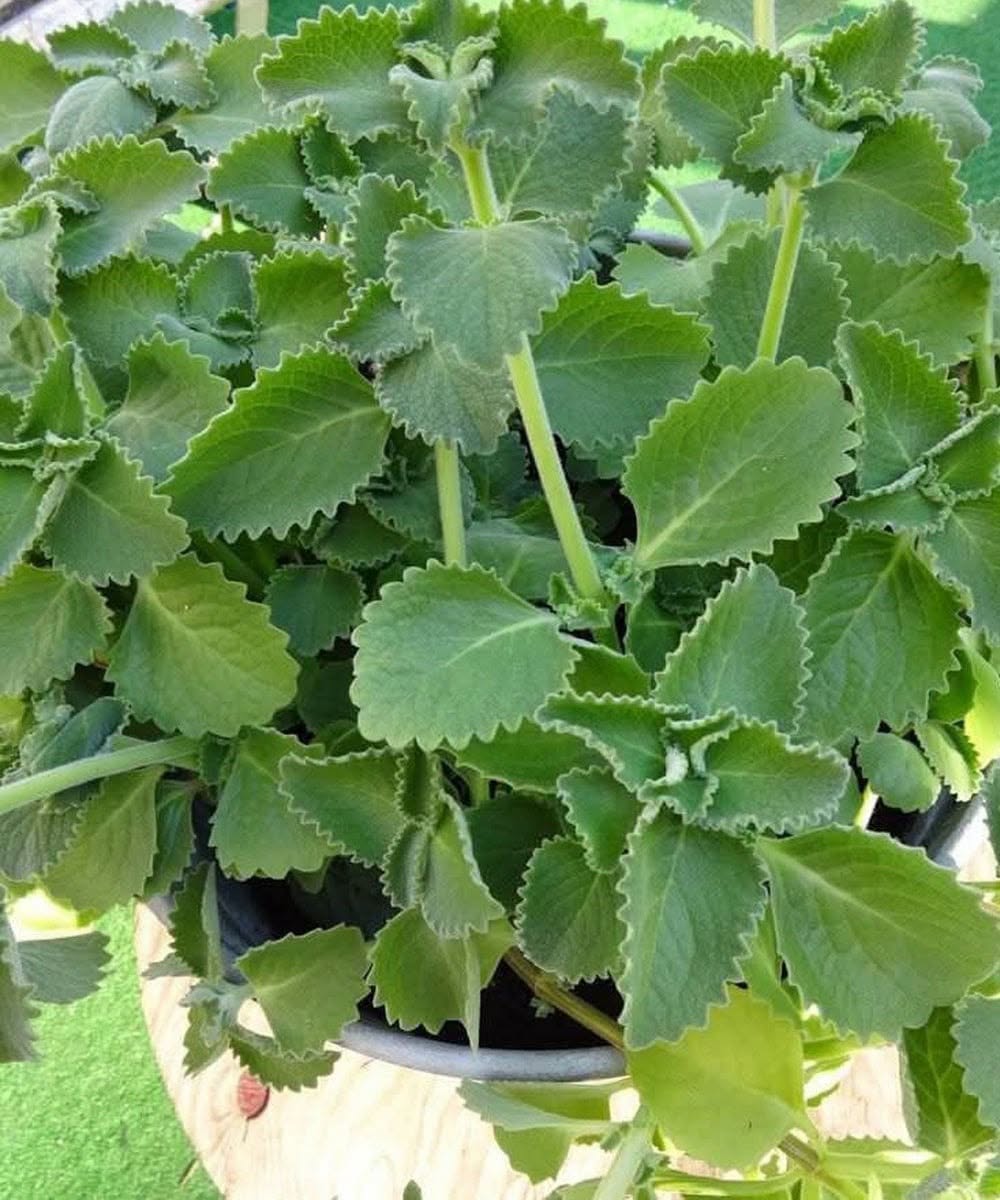
Oregano is a familiar herb in kitchens around the world. Its distinctive aroma and strong flavor can transform an ordinary meal, whether it is sprinkled over vegetables, added to soup, mixed into a salad dressing, or used to season meat and other dishes.
Because oregano has been used traditionally for generations, it has also attracted considerable interest from people looking for simple ways to support a healthy lifestyle.
You may have seen claims suggesting that eating a single oregano leaf every day can prevent numerous health problems or eliminate certain symptoms completely. However, those kinds of promises are far too broad. No single herb or food can guarantee protection from every health condition.
A more useful way to look at oregano is as one small part of an overall nutritious eating pattern.
Why Is Oregano So Popular?
Oregano belongs to the mint family and is closely related to several other aromatic herbs.
It is particularly popular in Mediterranean-style cooking, where it is commonly used with vegetables, tomatoes, beans, grains, fish, and other foods.
One reason oregano is so useful is that a relatively small amount can provide plenty of flavor.
This can make it easier to create satisfying meals without relying entirely on heavy sauces or large quantities of added ingredients.
Oregano is available fresh or dried, and both forms can be used in different recipes.
Oregano Contains Plant Compounds
Like many herbs and spices, oregano contains naturally occurring plant compounds.
Some of these compounds have antioxidant properties that have been studied in laboratory and nutritional research.
Antioxidants are substances that can help protect cells from oxidative stress as part of the body’s normal biological processes.
However, it is important to distinguish between studying a compound in a laboratory and proving that eating a particular amount of an herb produces a specific medical outcome in people.
Research involving individual plant compounds does not automatically mean that consuming one oregano leaf will prevent or treat a disease.
A Little Herb Can Add a Lot of Flavor
One of the simplest benefits of oregano is culinary.
Adding herbs and spices to food can make meals more interesting and enjoyable.
For example, oregano can be combined with:
- Tomatoes and other vegetables.
- Beans and lentils.
- Whole-grain dishes.
- Soups and stews.
- Fish or poultry.
- Homemade salad dressings.
- Roasted vegetables.
- Pasta and grain-based meals.
Because oregano has such a strong flavor, you often don’t need a large amount to notice its presence.
Fresh Oregano and Dried Oregano
Both fresh and dried oregano can be useful in the kitchen.
Fresh oregano has a more delicate texture and can work well as a finishing herb.
Dried oregano has a concentrated flavor and is convenient for everyday cooking.
The amount used in a meal is generally much smaller than the quantities people might consume when taking an oregano-based supplement.
That distinction matters.
A culinary herb used to flavor food is not necessarily equivalent to a concentrated herbal extract.
Can Oregano Replace Medical Treatment?
No.
This is one of the most important points to understand.
Oregano can be part of a balanced diet, but it should not be used as a replacement for prescribed medication, professional medical care, or recommended treatment.
If you have a health condition or take medication regularly, talk with your healthcare professional before using concentrated herbal products.
Natural does not automatically mean risk-free.
Plants contain biologically active compounds, and concentrated extracts can behave differently from the small amounts normally used in cooking.
Why the “One Leaf a Day” Claim Is Misleading
The idea that one oregano leaf can guarantee that a person will never experience a particular health problem sounds appealing because it is simple.
Real nutrition and health are rarely that simple.
Health outcomes are influenced by many factors, including genetics, age, physical activity, sleep, stress, overall diet, environmental factors, and existing medical conditions.
A single ingredient cannot control all of those variables.
Rather than looking for one food that supposedly solves every problem, it is more practical to build healthy habits gradually.
Oregano and a Balanced Eating Pattern
Oregano can fit naturally into a varied diet.
Imagine a meal containing roasted vegetables, beans, whole grains, and a source of protein. Adding oregano can improve the flavor while contributing small amounts of plant compounds.
The herb isn’t doing all the work.
The overall meal is what matters.
This is an important principle in nutrition: individual foods can contribute to a healthy pattern, but overall dietary habits generally matter more than any single ingredient.
How to Use Oregano in Everyday Cooking
There are many easy ways to include oregano in meals.
Try adding dried oregano to roasted vegetables before cooking.
You can also mix it into homemade tomato sauce or sprinkle it over a salad.
Another simple option is combining oregano with olive oil, lemon juice, garlic, and other herbs to create a flavorful dressing.
Oregano can also work well in soups, stews, bean dishes, and grain-based meals.
Experimenting with herbs and spices can make healthy meals more enjoyable and reduce the feeling that nutritious food has to be bland.
Oregano Tea and Herbal Preparations
Some people prepare oregano as a tea or use it in other traditional preparations.
However, drinking an herbal preparation is different from simply using oregano as a seasoning.
The concentration can vary considerably depending on how it is prepared.
People should also be careful with concentrated herbal products marketed for specific medical purposes.
If a product makes dramatic promises such as curing numerous unrelated conditions, it is reasonable to question those claims and look for reliable evidence.
What About Oregano Oil?
Oregano oil is much more concentrated than the dried herb commonly used in cooking.
It is sometimes marketed as a natural remedy for various conditions.
However, concentrated products should not automatically be assumed to be safe simply because they come from a plant.
Oregano oil can be irritating, particularly when used improperly or in concentrated form.
Anyone considering an herbal supplement should read the product directions carefully and discuss its use with a qualified healthcare professional, particularly if they are pregnant, nursing, have an existing medical condition, or take prescription medication.
Don’t Confuse Traditional Use With Proven Treatment
Oregano has a long history of traditional culinary and herbal use.
Traditional use can be interesting and may provide clues for scientific research.
But traditional use alone does not establish that an herb can diagnose, prevent, or treat a particular disease.
Modern health claims should ideally be supported by appropriate evidence from well-designed research.
This distinction helps consumers avoid exaggerated promises.
Healthy Habits Matter More Than “Miracle” Ingredients
If you’re looking for ways to improve your overall health, consider focusing on habits that can be maintained over the long term.
A varied diet containing vegetables, fruits, whole grains, legumes, and suitable protein sources can provide a broad range of nutrients.
Regular physical activity can support overall fitness.
Adequate sleep is important for general well-being.
Managing stress and avoiding harmful habits can also contribute to a healthier lifestyle.
Oregano can certainly have a place in this picture.
It just doesn’t need to be treated as a miracle ingredient.