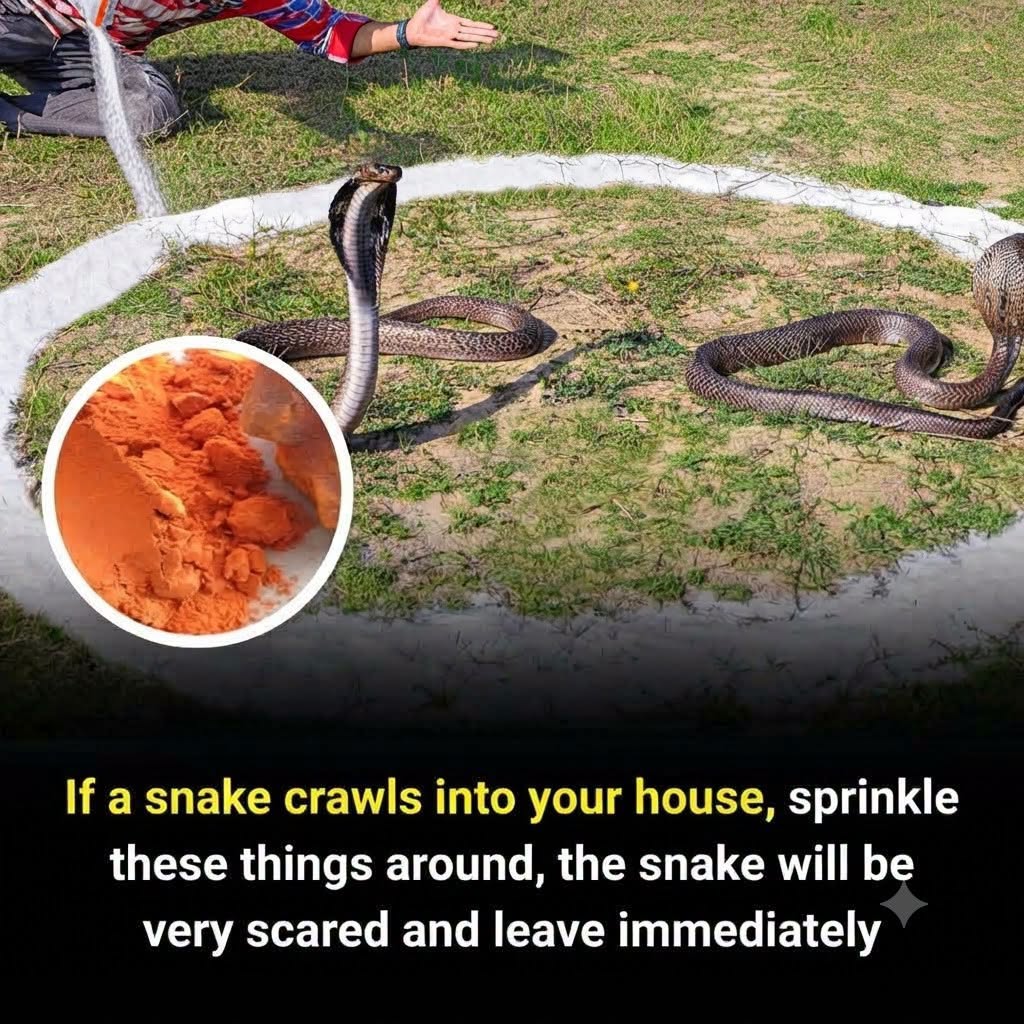
Finding a snake near your home can be an unsettling experience, especially when you are not sure how it got there or whether it might return.
The good news is that there are several practical steps homeowners can take to make their property less attractive to snakes. Instead of relying on a single product or supposed miracle remedy, a combination of good yard maintenance, proper storage, sealing potential entry points, and reducing sources of food and shelter can be much more useful.
Some people also prefer natural approaches and may wonder whether certain household scents or plants can discourage snakes from spending time around a property.
While the effectiveness of individual natural repellents can vary, there are sensible prevention strategies that can reduce the conditions that attract snakes in the first place.
Why Do Snakes Come Near Homes?
Snakes generally do not visit homes because they are interested in people.
They are usually looking for basic things such as food, water, shelter, or a suitable place to move through their environment.
A yard with tall grass, piles of leaves, stacked materials, dense vegetation, or plenty of rodents may provide several things a snake is looking for.
This means that one of the most effective ways to discourage snakes is to make the surrounding environment less appealing.
Instead of asking only, “What can I spray to keep snakes away?” consider asking, “What is attracting them here?”
That small change in perspective can make prevention much more practical.
Keep Grass and Vegetation Maintained
Overgrown grass can create hiding places for wildlife, including snakes and the animals they may hunt.
Keeping lawns trimmed and maintaining vegetation around pathways can improve visibility and reduce the number of concealed areas around the property.
This does not mean every plant needs to be removed.
Healthy landscaping can be beautiful and beneficial for local wildlife.
The goal is simply to avoid allowing vegetation immediately next to the home to become so dense that it creates numerous hidden spaces.
Pay particular attention to areas around entrances, outdoor storage spaces, sheds, and frequently used walkways.
Remove Clutter From Around the House
Stacks of wood, unused building materials, old containers, piles of branches, and other clutter can provide shelter for small animals.
They can also create cool, protected spaces where snakes may pass through or rest.
Keeping outdoor areas organized can therefore be a useful part of prevention.
Store firewood neatly and, where practical, keep it elevated rather than directly against the house.
Remove unnecessary piles of debris and dispose of materials that are no longer needed.
The objective is not to create a perfectly empty yard.
It is simply to reduce unnecessary hiding places close to the home.
Pay Attention to Rodents
Food availability can be one of the most important factors influencing wildlife activity around a property.
Some snakes feed on rodents and other small animals.
If a home has a persistent mouse or rat problem, addressing that issue may make the property less attractive to snakes as well.
Keep food securely stored, clean up spilled animal feed, and avoid leaving pet food outdoors for long periods.
Garbage containers should also remain properly closed.
If rodents are repeatedly appearing around a home, consider using appropriate pest-management methods or consulting a qualified professional.
Reducing the food source can be more useful than simply trying to mask the environment with a strong scent.
Seal Gaps Around the Home
Snakes can sometimes take advantage of surprisingly small openings.
Inspect areas around doors, windows, foundations, pipes, vents, and other points where the exterior of the building connects with the ground or outside environment.
Repair damaged screens and weather stripping.
Seal suitable gaps around the foundation using appropriate building materials.
Make sure doors close properly and that there are no obvious spaces underneath them.
This type of maintenance has benefits beyond wildlife prevention because it can also help reduce unwanted insects and other pests entering the home.
What About Natural Snake Repellents?
There are many household substances and plant-based products that are promoted online as snake repellents.
Some common suggestions include strongly scented plants, essential oils, garlic, onions, vinegar, and various commercial botanical products.
However, the effectiveness of these approaches can vary, and a strong smell should not be treated as a guaranteed barrier.
A snake may simply move around the treated area if it has a reason to remain nearby, particularly when food or shelter is available.
For this reason, natural scents are best viewed as a possible supplementary measure rather than the main solution.
The more reliable strategy is to address the physical conditions that make a property attractive.
Consider Landscaping Choices Carefully
Landscaping can play a significant role in how wildlife uses a property.
Dense ground cover, thick mulch, rock piles, and heavily shaded areas may create hiding places for different animals.
You do not necessarily need to redesign your entire garden.
Instead, consider maintaining clear areas immediately around the home’s foundation and frequently used paths.
Keep vegetation reasonably maintained and avoid creating unnecessary piles of materials directly against exterior walls.
A well-maintained landscape can still be attractive while offering fewer convenient hiding spaces.
Keep Outdoor Water Sources Under Control
Water can attract a variety of wildlife.
Birdbaths, leaking outdoor taps, irrigation problems, clogged drainage areas, and containers that collect rainwater can all contribute to increased animal activity.
Check your yard periodically for standing water or unnecessary leaks.
If you keep decorative water features, maintain them properly and consider the other wildlife they may attract.
Again, the goal is not to eliminate every source of water.
It is to avoid creating unnecessary conditions that encourage wildlife to gather close to your home.
Be Careful Around Rock and Wood Piles
Natural materials can be useful in landscaping, but they should be placed thoughtfully.
Rock piles, logs, branches, and firewood can provide shelter for insects, rodents, lizards, and other animals.
Since these animals can sometimes serve as food for snakes, large unmanaged piles may indirectly make an area more attractive.
Store materials neatly and inspect them carefully before moving them.
If you need to move a pile where wildlife may be hiding, use appropriate caution and avoid reaching into dark spaces without seeing what is there.
Don’t Rely on One Solution
One of the biggest mistakes homeowners can make is expecting one product, plant, or household ingredient to solve the entire problem.
Wildlife behavior is influenced by many factors.
Weather, food availability, shelter, seasonal activity, nearby habitat, and the structure of the property can all affect whether snakes pass through an area.
A better approach combines several preventive measures.
Maintain the yard.
Reduce clutter.
Address rodent problems.
Secure food and waste.
Seal potential entry points.
Keep landscaping under control.
Together, these measures can make a property less appealing without requiring an aggressive approach.
What If You See a Snake?
If you encounter a snake, avoid approaching or attempting to handle it.
Many snakes are harmless, but it can be difficult for an untrained person to identify a species accurately.
Keep children and pets away from the area and give the animal plenty of space.
If the snake is inside your home or is in a location where people could accidentally come into contact with it, consider contacting a qualified local wildlife professional for assistance.
Do not attempt to capture an unfamiliar snake simply to move it elsewhere.
Pets and Children Need Extra Attention
Families with young children or pets may understandably have additional concerns about snakes.
Teach children not to approach or touch unfamiliar wildlife.
Pets should also be supervised in areas where snakes are known to occur.
Keeping grass maintained and removing unnecessary clutter can improve visibility and reduce opportunities for unexpected encounters.
If your local area has venomous snake species, learn about the species that occur there and familiarize yourself with appropriate safety guidance from local wildlife authorities.
Local knowledge is more useful than assuming that every snake poses the same level of risk.
Why Prevention Is Better Than Panic
Seeing a snake around your property can immediately make you want to find the strongest possible repellent.
But panic can lead people to use inappropriate substances or attempt unsafe methods.
A calm prevention strategy is generally a better choice.
Start by examining the environment.
Is there a rodent problem?
Are there piles of materials around the house?
Are there gaps beneath doors or around the foundation?
Is vegetation extremely dense?
Are there sources of standing water?
Answering these questions can help identify practical changes.
Natural Doesn’t Always Mean Risk-Free
Another important point is that “natural” does not automatically mean harmless.
Concentrated essential oils and other substances can irritate skin, eyes, or airways and may be dangerous to pets or children if used improperly.
Never assume that a household substance is safe simply because it comes from a plant.
Read product instructions carefully, keep concentrated substances away from children and pets, and avoid applying substances in ways that could contaminate drinking water, food, or areas where people regularly walk.
A Simple Home Prevention Checklist
If you want to make your property less attractive to snakes, start with a few straightforward tasks:
- Keep grass and vegetation reasonably maintained.
- Remove unnecessary piles of branches, debris, and unused materials.
- Store firewood neatly and away from the immediate foundation where practical.
- Keep garbage containers closed.
- Store pet food and animal feed securely.
- Address recurring rodent activity.
- Check doors, windows, vents, and foundation areas for potential openings.
- Repair damaged screens and weather stripping.
- Reduce unnecessary standing water.
- Keep children’s play areas and frequently used walkways clear.
- Avoid approaching or handling unfamiliar snakes.
- Contact a qualified wildlife professional when a snake needs to be safely removed.
These steps may not guarantee that a snake will never enter a property, but they can help reduce the conditions that encourage wildlife activity.
Final Thoughts
There is no single natural remedy that can guarantee a snake-free home.
Instead, the most sensible approach is to make your property less attractive by reducing food sources, hiding places, unnecessary water, and easy entry points.
Natural scents or plant-based products may be appealing to homeowners who prefer a gentler approach, but they should not be viewed as a guaranteed solution.
Good property maintenance is usually the foundation of effective prevention.
If you live in an area where snakes are common, learning about the species found locally can also help you make informed decisions about safety.
Most importantly, remember that snakes are part of the natural environment. The goal of responsible prevention is not necessarily to eliminate them from an entire area, but to reduce unnecessary encounters around places where people and pets live.
With a little regular maintenance and a thoughtful approach to landscaping and home repairs, you can make your property less inviting to unwanted wildlife while keeping your outdoor space comfortable and enjoyable.