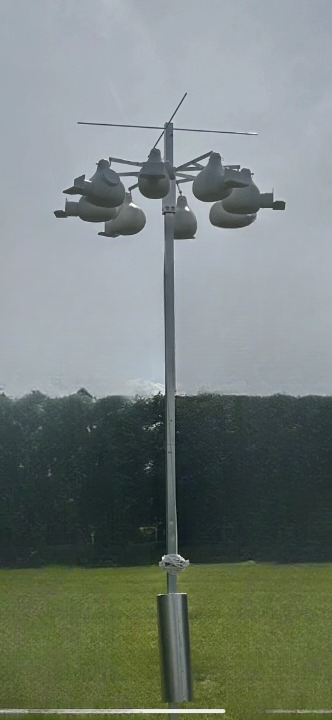
If you’ve recently visited a public park, walking trail, or nature reserve, you may have noticed tall poles equipped with several white cylindrical devices mounted near the top. At first glance, they can resemble security cameras, weather instruments, or communication equipment, leaving many people wondering what they are and why they have been installed.
The good news is that these structures usually serve practical community purposes. Depending on the location, they may be part of environmental monitoring systems, wildlife observation projects, weather stations, public safety technology, or visitor counting programs designed to help park managers better understand how public spaces are being used.
Learning more about these installations helps visitors appreciate the important role technology plays in maintaining safe, clean, and sustainable parks.
Why Modern Parks Use Monitoring Equipment
Public parks today serve many different purposes.
They provide space for recreation.
They protect natural habitats.
They host community events.
They support outdoor education.
They preserve local ecosystems.
Managing these responsibilities requires reliable information. Technology helps park staff collect data that improves maintenance, visitor experiences, and environmental conservation without interfering with everyday activities.
Rather than replacing human oversight, these systems assist park managers in making informed decisions.
Why the Devices Look Like Cameras
Many of these installations include weather-resistant housings that resemble surveillance cameras from a distance.
Their appearance often leads visitors to assume they are recording video.
In reality, the equipment inside may perform entirely different tasks depending on the project.
Examples include:
- Air quality sensors
- Weather monitoring instruments
- Wildlife observation sensors
- Noise level monitors
- Visitor counting technology
- Environmental research equipment
Because manufacturers use protective enclosures designed for outdoor conditions, different types of equipment often share similar appearances.
Environmental Monitoring
One common purpose of these systems is environmental monitoring.
Sensors may collect information about:
- Temperature
- Humidity
- Wind speed
- Rainfall
- Air quality
- Atmospheric pressure
- Sunlight intensity
This information helps researchers and local authorities understand environmental conditions throughout the year.
The data can also support long-term planning related to climate, landscaping, and park maintenance.
Supporting Wildlife Conservation
Many parks contain valuable habitats for birds, insects, mammals, and native plants.
Technology allows conservation teams to monitor ecosystems with minimal disruption.
Depending on the project, monitoring equipment may help researchers:
- Observe seasonal wildlife activity
- Measure habitat conditions
- Track environmental changes
- Study migration patterns
- Monitor vegetation health
Collecting consistent information helps support conservation efforts while protecting sensitive natural areas.
Helping Park Managers Understand Visitor Use
Public parks receive different numbers of visitors depending on:
- Weather
- Holidays
- Weekends
- Community events
- Seasonal activities
Anonymous visitor counting systems help park managers understand usage patterns.
This information assists with decisions involving:
- Trail maintenance
- Waste collection
- Facility improvements
- Staffing schedules
- Future park planning
These systems generally measure overall visitor numbers rather than identifying individuals.
Weather Monitoring Stations
Some tall poles function primarily as weather stations.
Weather data collected within parks can help monitor local conditions more accurately than information gathered many miles away.
Measurements may include:
- Air temperature
- Wind direction
- Wind speed
- Rain accumulation
- Solar radiation
- Relative humidity
Local weather observations support both public safety and environmental research.
Air Quality Research
Improving air quality has become an important goal for many communities.
Outdoor monitoring stations can measure:
- Fine particulate matter
- Ozone levels
- Nitrogen dioxide
- Carbon monoxide
- Other environmental indicators
Scientists use this information to better understand changing environmental conditions and evaluate long-term trends.
The collected data often contributes to public reports and research studies.
Smart Technology in Public Spaces
Many cities now use smart technology to improve public services.
Examples include:
- Smart street lighting
- Traffic monitoring
- Weather sensors
- Water management systems
- Environmental monitoring
- Energy efficiency programs
Parks are increasingly becoming part of these broader smart community initiatives.
Technology helps communities maintain public spaces more efficiently while supporting sustainability goals.
Privacy Considerations
One question people frequently ask involves privacy.
Many outdoor monitoring systems are designed specifically to collect environmental or operational information rather than personal information.
Depending on the equipment installed, systems may record environmental measurements, count visitors anonymously, or monitor equipment performance.
Local authorities generally provide information about technology used in public parks, particularly when required by applicable laws and regulations.
Visitors who have questions can usually contact the organization responsible for managing the park.
Why Communities Invest in These Systems
Although the equipment may appear simple, it provides valuable information that supports many aspects of park management.
Benefits include:
- Improved maintenance planning
- Better environmental protection
- Increased public safety
- More efficient resource allocation
- Enhanced visitor experiences
- Support for scientific research
Reliable data allows communities to make informed decisions that benefit both residents and the environment.
How Technology Supports Sustainability
Environmental monitoring contributes to long-term sustainability efforts.
Collected information may help communities:
- Protect natural habitats
- Reduce resource waste
- Improve water management
- Monitor changing weather conditions
- Plan future conservation projects
Technology provides objective information that supports responsible environmental stewardship.
Looking Beyond First Impressions
It is natural to wonder about unfamiliar equipment in public places.
Many installations appear more mysterious than they actually are.
Learning about their purpose often reveals practical applications that benefit the entire community.
Rather than being unusual or unexpected, these systems represent the growing use of technology to support environmental research, infrastructure management, and public services.
Questions You Can Ask
If you notice unfamiliar equipment during your next park visit, consider asking:
- Who manages this park?
- Is the equipment part of an environmental project?
- Does it monitor weather conditions?
- Is it used for scientific research?
- Where can I learn more about local conservation efforts?
Many parks provide educational information through visitor centers or informational signs that explain ongoing projects.
The Future of Smart Parks
As technology continues to evolve, parks may incorporate additional tools that improve both conservation and visitor experiences.
Future innovations may include:
- Enhanced environmental sensors
- Water conservation systems
- Smart irrigation
- Energy-efficient lighting
- Expanded wildlife monitoring
- Improved accessibility technology
These developments aim to balance recreation with responsible environmental management.
Conclusion
The tall white poles found in many parks are often examples of modern environmental and park management technology. While they may resemble cameras at first glance, they frequently serve practical purposes such as monitoring weather conditions, collecting environmental data, supporting wildlife conservation, or helping park managers understand how public spaces are being used.
Technology continues to play an important role in preserving natural areas while improving the experiences of visitors. By understanding the purpose of these systems, park users can better appreciate the many efforts taking place behind the scenes to keep public spaces safe, enjoyable, and environmentally sustainable for future generations.