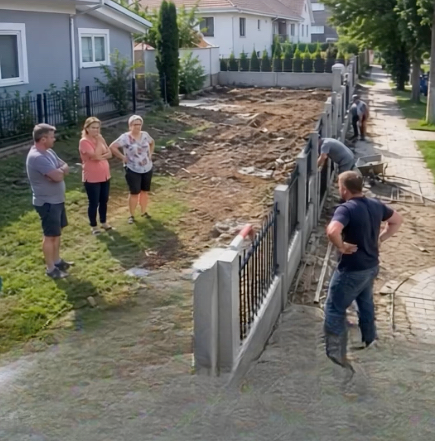
Living next to other people has many advantages. Friendly neighbors can create a welcoming community, offer support during emergencies, and contribute to a safer environment. At the same time, sharing property lines sometimes leads to misunderstandings about boundaries, landscaping, fences, or outdoor improvements.
For one homeowner, a disagreement over a backyard fence became an unexpected lesson about communication, planning, and the importance of understanding property boundaries before beginning any outdoor project.
Rather than allowing frustration to shape every decision, the experience ultimately highlighted how careful planning and respectful conversations can prevent many common neighborhood disputes.
A Backyard Improvement Project
After living in the same home for several years, the homeowner decided it was time to make improvements to the backyard.
The existing fence had provided privacy and clearly marked the property line for many years.
Although it showed signs of age, it continued to serve its purpose.
Plans included replacing portions of the landscaping, improving drainage, and updating outdoor living areas to create a more functional space for family gatherings.
Everything seemed straightforward until construction activities nearby raised unexpected questions about the shared boundary.
Discovering a Misunderstanding
One morning, while reviewing progress in the yard, the homeowner noticed that part of the existing fence had been removed during nearby work.
Rather than immediately assuming intentional damage, the homeowner chose to gather information before reacting.
Property improvements often involve contractors, surveyors, utility companies, and equipment operators, making misunderstandings possible.
The first step was simply understanding what had happened.
Confirming Property Boundaries
Whenever questions arise regarding fences or shared property lines, accurate information becomes essential.
The homeowner reviewed available documents, including:
- Property surveys
- Purchase records
- Boundary maps
- Municipal permits
- Previous construction documents
These records clarified the official property boundaries and provided useful information before any additional work continued.
Having reliable documentation reduced confusion and allowed future conversations to focus on facts rather than assumptions.
Beginning a Respectful Conversation
After reviewing the documents, the homeowner arranged a calm discussion with the neighboring property owner.
Rather than approaching the situation with accusations, both parties shared their understanding of the project.
It became clear that assumptions had contributed to the misunderstanding.
Construction crews had been following instructions based on incomplete information regarding the existing fence location.
Although the conversation was initially uncomfortable, maintaining respectful communication prevented the disagreement from becoming more complicated.
Why Boundary Disputes Are Common
Property boundary questions are among the most frequent issues homeowners encounter.
Common causes include:
- Aging fences
- Landscaping changes
- Missing survey markers
- Contractor misunderstandings
- Previous owner agreements
- Natural shifts in vegetation
Many disagreements result from incomplete information rather than intentional actions.
Taking time to verify property records often resolves uncertainty before larger problems develop.
Planning Outdoor Improvements
As discussions continued, the homeowner decided to move forward with several planned backyard improvements.
These included:
Installing New Hardscaping
A professionally designed patio created a durable outdoor gathering area suitable for family activities throughout the year.
Improving Drainage
Updated drainage helped direct rainwater away from structures while protecting landscaping.
Enhancing Landscaping
New plants, decorative borders, and carefully planned garden beds improved the overall appearance of the property.
Defining Outdoor Spaces
Thoughtful design clearly distinguished recreational areas, gardens, and walking paths without creating unnecessary visual barriers.
These improvements focused on enhancing the homeowner’s property while respecting neighboring boundaries.
The Importance of Written Agreements
Whenever shared boundaries are involved, written communication can help avoid misunderstandings.
Homeowners may benefit from documenting:
- Fence maintenance responsibilities
- Construction timelines
- Shared expenses
- Property survey results
- Contractor access
Clear documentation helps establish mutual understanding and provides useful references for future projects.
Working With Qualified Professionals
Outdoor construction often involves technical considerations beyond basic landscaping.
Professional guidance may include:
- Licensed surveyors
- Landscape designers
- Contractors
- Engineers
- Municipal planning departments
Consulting qualified professionals helps ensure that projects comply with local regulations and accurately respect property boundaries.
Professional advice can also prevent costly corrections later.
Building Positive Neighbor Relationships
Strong neighborhoods depend on cooperation.
Even when disagreements occur, maintaining respectful communication often leads to better outcomes than allowing frustration to dominate discussions.
Positive neighbor relationships are supported by:
- Honest communication
- Active listening
- Patience
- Flexibility
- Mutual respect
Small efforts toward cooperation can significantly improve long-term relationships between neighboring households.
Preventing Future Disputes
Many property disagreements can be avoided through careful preparation.
Helpful practices include:
- Reviewing surveys before construction
- Discussing projects in advance
- Obtaining necessary permits
- Hiring experienced contractors
- Confirming measurements carefully
These steps reduce uncertainty while improving project coordination.
Creating Functional Outdoor Living Spaces
Modern homeowners increasingly invest in outdoor living areas that extend usable space beyond the house itself.
Popular features include:
- Patios
- Seating areas
- Outdoor kitchens
- Gardens
- Decorative lighting
- Walking paths
- Fire pit gathering spaces
Well-designed outdoor improvements enhance comfort while increasing enjoyment of the property throughout the seasons.
Understanding Local Regulations
Fence placement, drainage improvements, and hardscaping projects may all be subject to municipal regulations.
Before beginning construction, homeowners should consider:
- Permit requirements
- Property setbacks
- Easements
- Drainage regulations
- Utility locations
Understanding local requirements helps avoid delays and ensures projects remain compliant with applicable rules.
Looking Beyond the Disagreement
After the improvements were completed, both households recognized that better communication could have prevented much of the initial confusion.
Rather than allowing the disagreement to define their relationship, they focused on moving forward with greater understanding.
Future projects were discussed in advance.
Questions were addressed earlier.
Expectations became clearer.
The experience ultimately strengthened communication rather than weakening it.
Lessons for Homeowners
Property improvements offer opportunities to enhance both homes and neighborhoods.
Several valuable lessons emerged from this experience:
Verify Information First
Reliable documentation provides the foundation for informed decisions.
Communicate Early
Discussing plans before construction begins reduces misunderstandings.
Stay Focused on Solutions
Constructive conversations often produce better results than emotional reactions.
Respect Shared Spaces
Thoughtful planning benefits everyone living nearby.
Invest in Quality Improvements
Well-designed projects increase both enjoyment and long-term property value.
Conclusion
A disagreement over a backyard fence could easily have become a lasting conflict. Instead, careful planning, respectful communication, and accurate property information helped transform the situation into an opportunity for positive improvements.
The completed landscaping, updated patio, and clearly defined property boundaries enhanced both the appearance and functionality of the outdoor space while preserving good relationships between neighbors.
Homeownership often presents unexpected challenges, but many of them can be addressed through patience, cooperation, and informed decision-making. In the end, the most valuable improvement was not the new outdoor design—it was the stronger understanding that developed through open communication and mutual respect.