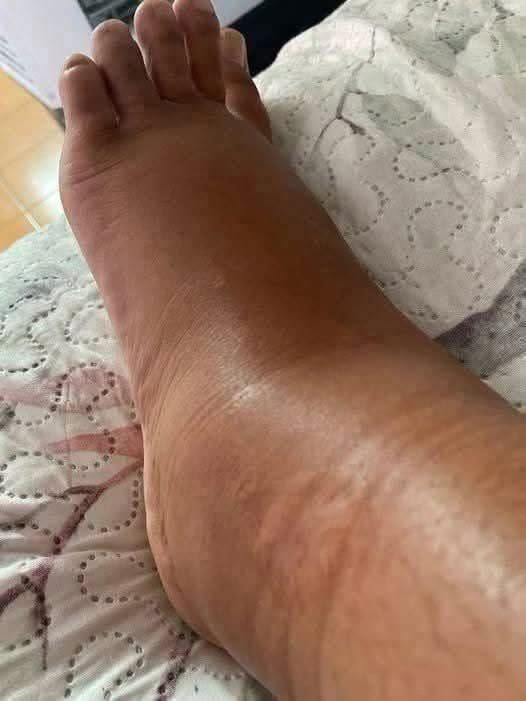
The Silent Language of Your Lower Extremities
We spend our entire lives standing, walking, running, and dancing on our feet, yet we rarely pay attention to them until something goes wrong. You kick off your shoes at the end of a long workday, and suddenly you notice deep, ugly indentations left by your socks. Your ankles look puffy, your favorite shoes feel uncomfortably tight, and a dull, heavy ache radiates up through your shins.
Eduma, or the medical term for swelling caused by fluid buildup, is one of the most common physical complaints in the modern world. While it is easy to brush it off as a minor inconvenience caused by standing too long or wearing the wrong footwear, swollen feet are often your body’s primary alarm system. They act as a physical bulletin board, flashing urgent messages about your circulation, your internal organs, your lifestyle habits, and your overall metabolic health.
Ignoring swollen feet is like ignoring the check-engine light on your car dashboard. It might keep running for a little while, but eventually, the underlying issue demands attention. Let us embark on a comprehensive journey into why your feet swell, what it truly means, and how you can decode the secret signals your lower extremities are sending you.
The Mechanics of Fluid Retention: Why Does Gravity Win?
To understand foot swelling, we first have to look at the fascinating physics of the human body. Your heart acts as a powerful pump, sending oxygen-rich blood rushing down to your toes. But how does that blood get back up against gravity?
Unlike the arterial system, which has the heavy-duty pressure of the heart behind it, your venous system relies on a delicate dance of one-way valves and muscle contractions—particularly the muscles in your calves. Every time you take a step, your calf muscles squeeze the veins, pushing blood upward toward your heart.
When something disrupts this complex hydraulic system, fluid leaks out of the blood vessels and accumulates in the surrounding tissues of the feet and ankles. Because of gravity, the lowest points of your body bear the brunt of this collection. But the reasons behind why this fluid leaks are diverse, ranging from completely harmless daily habits to critical medical conditions that require immediate professional oversight.
Cause 1: The Modern Lifestyle and Gravity’s Toll
Most of the time, swollen feet do not point to a catastrophic illness. Instead, they point directly to the way we live our modern, sedentary lives.
-
Prolonged Sitting or Standing: If you work at a desk for eight hours a day or stand on a hard retail floor without moving, your calf muscle pump goes dormant. Blood pools in the lower legs, and fluid slowly seeps into the tissues.
-
The Sodium Trap: Diet plays a massive role. If your daily menu is packed with ultra-processed foods, canned soups, and restaurant meals loaded with sodium, your body retains water to maintain a delicate electrolyte balance. This excess water has to go somewhere, and it frequently settles in your lower extremities.
-
The Heat Effect: During hot summer months, your blood vessels naturally dilate (widen) to help cool your body down. This increased blood vessel capacity, combined with the effects of heat, can cause fluid to pool more easily in the feet and ankles.
For these lifestyle-related causes, simple interventions—such as taking short walking breaks every hour, reducing salt intake, and elevating your legs above your heart for twenty minutes in the evening—can work wonders.
Cause 2: Circulation and Vein Health Warnings
If your swelling is chronic, asymmetrical (happening much more in one foot than the other), or accompanied by visible changes in your skin, your circulatory system might be waving a red flag.
-
Chronic Venous Insufficiency (CVI): As we age, or due to genetics, the tiny one-way valves inside our leg veins can weaken. Instead of closing tightly to push blood upward, they allow blood to slip backward. This chronic pooling increases pressure within the veins, forcing fluid outward and causing persistent ankle swelling, often accompanied by aching, fatigue, or visible spider and varicose veins.
-
Blood Clots (Deep Vein Thrombosis – DVT): This is a medical emergency. If a blood clot forms in a deep vein—usually in the calf—it blocks the normal return of blood. This typically causes sudden, painful swelling in only one leg, often accompanied by localized warmth, redness, and tenderness. Ignoring a DVT can lead to catastrophic complications if the clot breaks loose and travels to the lungs.
Cause 3: Organ Function and Systemic Health Alerts
Sometimes, swollen feet are the downstream effect of how well your vital internal organs are performing their daily filtration and pumping duties.
-
Heart Health: When the heart muscle weakens and cannot pump blood as efficiently as it used to (a condition known as congestive heart failure), blood flow leaving the heart slows down, and blood returning to the heart backs up. This backup increases pressure in the veins, leading to fluid retention that typically starts in the feet and ankles and can progress upward.
-
Kidney Function: Your kidneys are the ultimate filtration plants of your body, responsible for balancing fluid and removing waste. If kidney function is compromised, your body cannot excrete excess sodium and water effectively. This systemic fluid overload often manifests first as puffy eyes in the morning and swollen ankles by afternoon.
-
Liver Performance: The liver produces essential proteins like albumin, which acts like a sponge keeping fluid inside your blood vessels. If liver disease (such as cirrhosis) impairs protein production, fluid leaks out of the blood and into body cavities and tissues, causing swelling in the abdomen, legs, and feet.
Decoding the Symptoms: When Should You Worry?
How do you distinguish between a harmless, end-of-the-day puffiness and a sign that you need to see a doctor immediately? Look closely at the characteristics of the swelling:
| Type of Swelling | Potential Meaning | Action Required |
| Pitting Edema (Pressing a finger leaves a dent that takes time to rebound) | Fluid overload, venous insufficiency, heart, or kidney issues | Schedule an evaluation with a healthcare provider |
| Sudden One-Sided Swelling (One foot/ankle swells rapidly and hurts) | Possible Deep Vein Thrombosis (DVT) or localized injury | Seek immediate medical attention |
| Swelling with Shortness of Breath or Chest Pain | Potential cardiac or pulmonary distress | Call emergency services immediately |
| Mild Evening Puffiness | Prolonged standing, heat, or high sodium intake | Rest, elevate legs, hydrate, and adjust diet |
Actionable Steps to Support Your Feet and Circulation
If you want to keep your lower extremities healthy, comfortable, and swelling-free, you can adopt several proactive daily habits:
-
Prioritize Movement: Make it a rule to stretch or walk for five minutes every hour if you have a desk job. Keep those calf muscles active to pump fluid back upward.
-
Hydrate Smartly: It sounds counterintuitive, but drinking more water actually helps flush out excess sodium and reduces the body’s instinct to hoard fluid.
-
Elevate Daily: Spend fifteen minutes at the end of every day lying on your back with your feet propped up on pillows above the level of your heart. Gravity will naturally drain the accumulated fluid.
-
Wear Compression Wisely: If you stand all day or suffer from mild venous insufficiency, graduated compression stockings can gently support your veins and prevent fluid pooling.
Conclusion: Listen to Your Body
Your feet carry you through every chapter of your life, absorbing the impact of the world and working tirelessly behind the scenes. When they swell up, they are communicating a story—whether it is simply a reminder to drink more water and take a walk, or a vital warning sign that your circulation or organs need professional care.
Never ignore what your body is trying to tell you. By paying attention to the subtle signals of your lower extremities, you can take control of your health, protect your cardiovascular system, and step forward into a lighter, more vibrant life.