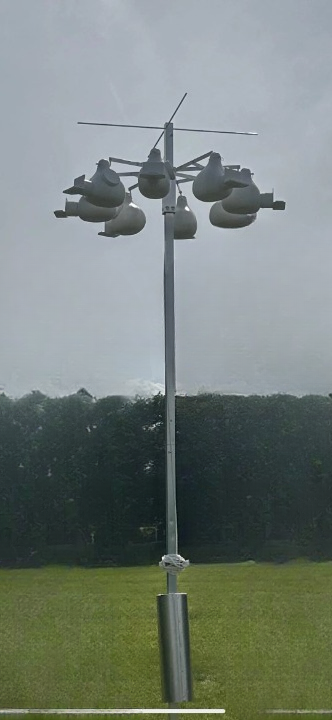
In many parks, public spaces, and outdoor research areas, people may notice tall poles or structures equipped with small devices or attachments. At first glance, these installations can sometimes look unusual or unfamiliar, especially when seen without context.
However, in most cases, these structures serve practical and non-intrusive purposes related to environmental monitoring, research, or public infrastructure.
Why These Installations Exist
Outdoor equipment in public spaces is often installed to collect data or support environmental studies. These systems are generally used for research, planning, or maintenance purposes rather than anything invasive.
Depending on their design and location, they may help with:
- Monitoring weather conditions
- Studying air quality
- Supporting environmental research projects
- Collecting data for urban planning
- Assisting public infrastructure development
These types of systems are commonly used by research organizations, universities, or local authorities.
Why They May Look Unusual
Many of these devices are designed to function efficiently rather than to blend visually into their surroundings. Because of this, they may appear unfamiliar to passersby.
Several factors can contribute to confusion:
- Elevated installation height
- Minimal or technical design
- Lack of visible labeling at a distance
- Placement in natural environments like parks
- Small sensors or components that are hard to identify
When seen briefly, they can easily be mistaken for something more complex than they are.
The Role of Environmental Monitoring
Environmental monitoring plays an important role in understanding local conditions and supporting long-term planning.
Data collected from outdoor sensors can help with:
- Tracking weather patterns
- Measuring pollution levels
- Supporting climate research
- Improving public health insights
- Guiding city development decisions
This information is typically used in aggregated form for research and planning purposes.
Public Space Research and Technology
Parks and open spaces are often chosen as installation sites because they provide consistent outdoor environments for data collection.
These locations allow researchers to observe natural conditions with minimal interference from buildings or heavy infrastructure.
Most installations are designed to operate quietly and continuously without affecting public use of the space.
Why Transparency Matters
When people encounter unfamiliar equipment in public spaces, it is natural to be curious.
Clear communication and proper labeling can help reduce confusion and ensure that the public understands the purpose of such installations.
Providing accessible information about environmental projects can also increase awareness of ongoing research and its benefits.
How to Interpret Unfamiliar Structures
When encountering unknown objects in public areas, a helpful approach is to:
- Look for informational signage nearby
- Consider the context of the location
- Avoid assuming intent without evidence
- Check official park or city resources if needed
Most installations in public spaces are placed for practical and approved purposes.
The Importance of Public Infrastructure Awareness
Modern cities rely on a wide range of technologies and systems that are not always immediately recognizable.
From weather stations to air quality sensors, these tools help improve understanding of environmental conditions and support better decision-making.
Although they may appear unusual at first, they are generally part of broader efforts to monitor and maintain public spaces.
Final Thoughts
Tall poles and unfamiliar devices seen in parks are often part of environmental monitoring or research systems designed to collect useful data about weather, air quality, or other natural conditions.
While they may look unfamiliar at first, they typically serve practical and non-invasive purposes that support scientific understanding and public planning.
Taking a moment to consider context and purpose can often help clarify what these installations are and why they are present in public spaces.