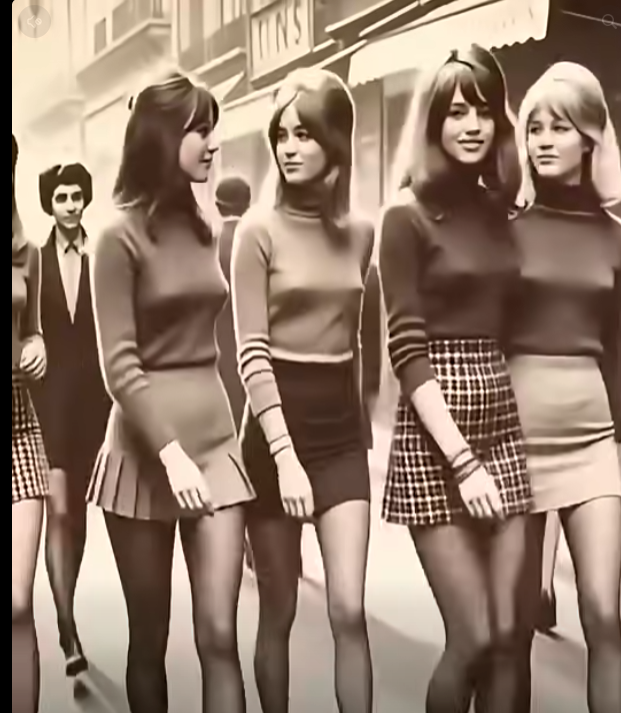
Exploring 1970s Fashion: How Vintage Photographs Capture a Decade of Style, Creativity, and Cultural Change
Introduction: Looking Back at the Fashion of the 1970s
The 1970s remain one of the most recognizable decades in fashion history. Known for their colorful clothing, distinctive patterns, relaxed silhouettes, and creative combinations, the seventies introduced styles that continue to influence modern fashion. From wide-legged trousers and flowing dresses to platform shoes and oversized accessories, the decade represented a period of experimentation, individuality, and cultural transformation.
Vintage photographs provide a fascinating way to explore this period. Old family albums, historical magazines, street photographs, and fashion advertisements reveal more than the clothing people wore. They also offer glimpses into everyday life, social attitudes, personal expression, and the changing cultural environment of the time.
A photograph from the 1970s might appear simple at first. It could show a group of friends standing outside a house, a family gathering, or someone posing for a picture in their favorite outfit. However, when examined more closely, small details can reveal a great deal about the fashion trends and lifestyle choices of that period.
The colors, hairstyles, fabrics, accessories, and clothing combinations all contribute to the visual identity of the decade. Even the photography itself, including the slightly faded colors and distinctive film textures, helps create a nostalgic connection with the past.
What makes 1970s fashion especially interesting is its diversity. There was no single look that defined the entire decade. Some people preferred glamorous clothing inspired by disco culture, while others embraced casual denim, bohemian influences, or practical everyday outfits.
This article explores the history of 1970s fashion, the clothing trends that defined the decade, the influence of music and popular culture, and the importance of vintage photography in preserving its style and cultural identity.
Why the 1970s Were an Important Decade for Fashion
The 1970s were a period of significant cultural and social change. Fashion reflected many of these developments, with clothing becoming an increasingly important way for individuals to communicate their personalities, interests, and lifestyles.
During previous decades, fashion trends were often strongly influenced by established designers, fashion magazines, and traditional ideas about formal appearance. By the 1970s, however, people were increasingly interested in developing personal styles.
This shift encouraged greater experimentation with clothing.
Young people adopted styles influenced by music, art, cinema, and changing social attitudes. Casual clothing became more widely accepted in everyday situations, while bold colors and unconventional combinations became recognizable features of popular fashion.
The decade also saw different fashion movements existing alongside one another.
Bohemian-inspired clothing emphasized comfort, flowing fabrics, and natural influences. Disco fashion celebrated glamour, shine, and dramatic silhouettes. Meanwhile, denim, sportswear, and practical everyday clothing became increasingly popular.
This variety made the seventies particularly memorable.
Rather than following one universal fashion formula, people had more opportunities to combine different influences and create distinctive appearances.
The Influence of Social and Cultural Change
Fashion does not develop independently of society. Clothing trends are often influenced by changes in music, entertainment, technology, economic conditions, and social attitudes.
The 1970s were no exception.
During this period, many people were exploring new forms of personal expression. Youth culture continued to influence popular entertainment, while different musical movements introduced their own visual identities.
Fashion became closely connected to individual interests and cultural communities.
Some people preferred relaxed clothing that reflected an interest in nature and creative lifestyles. Others adopted more glamorous outfits influenced by nightlife and dance music.
The growing popularity of casual clothing also changed expectations about everyday appearance.
Jeans, T-shirts, comfortable shirts, and practical footwear became important parts of many wardrobes.
At the same time, designers continued experimenting with fabrics, shapes, and decorative details.
The result was a decade in which traditional fashion expectations became less restrictive and personal style became increasingly diverse.
Bell-Bottom Jeans: One of the Most Recognizable Trends
<IMAGE_PLACEHOLDER: Vintage 1970s bell-bottom jeans and casual fashion>
Few clothing items are more closely associated with the 1970s than bell-bottom jeans.
These trousers featured legs that widened noticeably from the knee toward the bottom. The distinctive shape created a recognizable silhouette that became popular in both casual and fashionable outfits.
Bell-bottoms were commonly made from denim, although similar designs appeared in other fabrics.
Some versions featured simple construction, while others included decorative stitching, embroidery, patches, or contrasting fabric details.
They were frequently paired with fitted shirts, patterned blouses, sweaters, and platform footwear.
One reason for their popularity was their versatility.
Bell-bottom trousers could be worn in everyday settings or styled into more expressive outfits for social occasions.
They also became associated with the wider cultural atmosphere of the decade, particularly youth fashion and music-inspired clothing.
Today, flared jeans continue to appear in contemporary collections. Modern versions may use different fabrics, waistlines, and proportions, but the basic silhouette remains recognizable.
Vintage photographs are particularly useful for understanding how people originally styled these trousers.
They show how the shape interacted with shoes, shirts, jackets, and other elements of everyday clothing.
The Rise of Bohemian Fashion
Bohemian fashion was another important influence during the 1970s.
Often associated with creativity, individuality, and relaxed lifestyles, this style emphasized comfortable garments, flowing fabrics, natural colors, and decorative details.
Common clothing choices included:
- Long flowing dresses.
- Embroidered blouses.
- Loose-fitting shirts.
- Wide-leg trousers.
- Fringed jackets.
- Suede accessories.
- Patterned skirts.
- Layered necklaces and bracelets.
Floral prints, ethnic-inspired patterns, and earthy color combinations were also common features.
The overall appearance was generally less structured than traditional formal fashion.
Instead of emphasizing strict tailoring, bohemian clothing often prioritized movement, comfort, and personal expression.
The