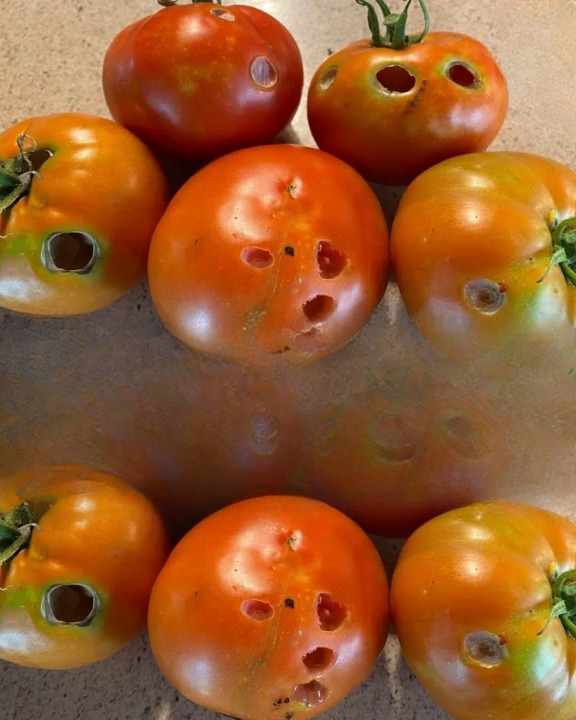
Growing tomatoes can be one of the most rewarding experiences for home gardeners. Watching plants develop from small seedlings into productive vines filled with colorful fruit provides a sense of accomplishment that few garden crops can match. However, many gardeners eventually encounter a frustrating problem: discovering holes in otherwise healthy tomatoes.
At first glance, a small hole may appear insignificant. Some gardeners assume the damage occurred accidentally or resulted from weather conditions. In reality, holes in tomatoes often provide valuable clues about what is happening in the garden ecosystem.
The good news is that identifying the cause of tomato damage is often the first step toward preventing future problems. By understanding common sources of fruit damage and implementing effective gardening practices, growers can improve plant health and enjoy more successful harvests throughout the growing season.
Why Tomato Damage Occurs
Tomatoes grow outdoors in environments shared with insects, birds, animals, and microorganisms. Because the fruit is rich in moisture and nutrients, it naturally attracts a variety of organisms seeking food.
While many garden visitors are beneficial, others may feed on tomato plants or fruit.
Not every hole indicates a major infestation. Sometimes damage results from environmental conditions, while other cases involve insects, wildlife, or plant health issues.
Careful observation can help determine the most likely cause.
Examining the Damage
One of the most effective gardening habits is learning to inspect affected fruit closely.
The size, shape, and location of holes often provide important clues.
Questions to consider include:
- Are the holes small or large?
- Is damage limited to a few tomatoes or widespread?
- Are leaves showing signs of feeding activity?
- Is there evidence of insects nearby?
- Do holes appear shallow or deep?
- Is the fruit otherwise healthy?
Answering these questions helps narrow down potential causes and guides appropriate responses.
Common Insect Causes
Several insects are known to feed on tomatoes.
Caterpillars
Caterpillars are among the most frequent causes of holes in tomato fruit.
Certain species feed directly on developing tomatoes, creating openings that may become larger over time.
Signs may include:
- Irregular holes
- Feeding damage on nearby leaves
- Visible caterpillars on plants
- Dark droppings near feeding sites
Regular inspections can help identify caterpillar activity before extensive damage occurs.
Beetles
Some beetle species feed on tomato plants and fruit.
Depending on the species, damage may appear as small holes, surface scars, or irregular chewing patterns.
Monitoring plants regularly helps detect beetle activity early.
Other Feeding Insects
Various garden insects may occasionally feed on tomatoes, especially when populations become unusually large.
Because damage patterns differ among species, accurate identification is important before choosing management strategies.
Wildlife and Animal Activity
Not all tomato holes are caused by insects.
Birds, squirrels, rodents, and other wildlife sometimes sample ripening fruit.
Birds
Birds are attracted to moisture-rich tomatoes, particularly during hot weather.
Damage often appears as peck marks or openings near the top of the fruit.
In some cases, birds may take only a few bites before moving on to another tomato.
Squirrels and Small Mammals
Small animals occasionally chew into tomatoes while searching for moisture or food.
These openings tend to be larger than insect-related damage and may show obvious bite marks.
Gardeners frequently notice increased activity during dry periods when natural water sources become limited.
Environmental Causes That Resemble Pest Damage
Sometimes damage is not caused by feeding at all.
Fruit Splitting
Rapid changes in soil moisture can cause tomatoes to crack or split.
Heavy rainfall following dry conditions is a common trigger.
Although splits differ from holes, they may sometimes be mistaken for pest damage.
Physical Injury
Tomatoes can be damaged by:
- Strong winds
- Falling branches
- Garden tools
- Handling during maintenance
These injuries may create openings that resemble feeding damage.
Secondary Problems
Once fruit develops an opening, other organisms may take advantage of the exposed area.
As a result, the original cause can become more difficult to identify.
Why Early Detection Matters
Gardeners who inspect plants regularly often prevent small issues from becoming larger problems.
Early detection provides several advantages:
- Easier pest identification
- Reduced crop loss
- More targeted management
- Improved plant health
- Better harvest quality
A few minutes spent observing plants each week can significantly improve gardening outcomes.
Integrated Pest Management: A Balanced Approach
Many experienced gardeners use a strategy known as Integrated Pest Management (IPM).
This approach focuses on observation, prevention, and targeted solutions rather than relying exclusively on chemical treatments.
Key principles include:
Monitoring
Regularly inspect plants for signs of damage.
Identification
Determine the actual cause before taking action.
Prevention
Create conditions that support healthy plant growth.
Targeted Response
Address specific issues using appropriate methods.
This balanced approach helps maintain a healthier garden ecosystem.
Supporting Healthy Tomato Plants
Strong plants are generally better able to tolerate environmental stress and minor pest activity.
Several practices support overall plant health.
Proper Watering
Consistent watering reduces plant stress and helps prevent problems such as cracking.
Deep watering is often more beneficial than frequent shallow watering.
Adequate Sunlight
Tomatoes typically perform best when they receive sufficient sunlight throughout the growing season.
Good Air Circulation
Proper spacing improves airflow around plants.
Better circulation can reduce moisture-related issues and support healthier growth.
Nutrient Management
Balanced soil nutrition encourages vigorous development and productive harvests.
Periodic soil testing can help gardeners understand specific nutrient needs.
Physical Barriers and Garden Protection
Many gardeners successfully reduce fruit damage through physical barriers.
Options may include:
- Garden netting
- Row covers
- Protective cages
- Fencing
- Bird deterrents
Physical protection often provides an effective, environmentally friendly solution for preventing damage from both insects and wildlife.
Encouraging Beneficial Insects
Not all insects are harmful.
Many species play valuable roles in garden ecosystems.
Beneficial insects may help by:
- Pollinating flowers
- Feeding on pest species
- Supporting ecological balance
Creating a diverse garden environment can encourage populations of helpful insects that naturally contribute to pest management.
Harvesting Tomatoes at the Right Time
Timing can also influence damage levels.
As tomatoes ripen, they become increasingly attractive to insects and animals.
Harvesting fruit promptly once it reaches appropriate maturity may reduce exposure to potential damage.
Many tomato varieties continue ripening successfully after being picked.
This practice can help preserve fruit quality while reducing losses.
Keeping Garden Areas Clean
Good garden sanitation supports overall plant health.
Consider removing:
- Damaged fruit
- Fallen tomatoes
- Excess plant debris
- Dead vegetation
These materials can attract unwanted pests and create favorable conditions for various garden problems.
A tidy garden environment often makes monitoring easier as well.
Learning From Seasonal Patterns
Garden conditions change throughout the year.
Temperature, rainfall, humidity, and local wildlife activity all influence pest populations and plant health.
Keeping simple notes about:
- Weather conditions
- Pest sightings
- Harvest results
- Plant performance
can help gardeners identify patterns and improve future growing seasons.
Over time, these observations become valuable tools for decision-making.
When to Seek Expert Advice
If tomato damage becomes extensive or difficult to identify, local gardening resources may provide assistance.
Helpful sources include:
- Agricultural extension services
- Community gardening groups
- Horticultural organizations
- Plant clinics
- Experienced local gardeners
These resources often offer region-specific recommendations tailored to local growing conditions.
Building a More Resilient Garden
Successful gardening rarely involves eliminating every challenge.
Instead, it involves learning how to manage changing conditions while supporting healthy plant growth.
A resilient garden typically includes:
- Healthy soil
- Diverse plant life
- Consistent maintenance
- Regular monitoring
- Sustainable management practices
These foundations help reduce problems while improving overall productivity.
Conclusion
Finding holes in tomatoes can be disappointing, but the damage often provides useful information about conditions in the garden. Whether caused by insects, wildlife, environmental factors, or physical injury, each type of damage tells part of a larger story about the ecosystem surrounding your plants.
By carefully observing symptoms, maintaining healthy growing conditions, and using practical prevention strategies, gardeners can reduce future damage and improve harvest quality. Regular inspections, proper plant care, and a balanced approach to garden management remain some of the most effective tools available.
Rather than viewing tomato damage as a failure, experienced gardeners often treat it as an opportunity to learn more about their environment. With patience, observation, and consistent care, it is possible to grow healthier plants, protect developing fruit, and enjoy a more productive tomato harvest season after season.