Daily routines often reveal interesting details about how people organize their lives. From the way we start our mornings to the habits we develop over time, small behaviors can reflect our preferences, priorities, and lifestyle choices.
One topic that occasionally sparks curiosity and discussion is shower behavior. People approach their shower routines in surprisingly different ways. Some prefer quick, efficient showers, while others enjoy longer periods of relaxation. Some carefully follow a structured routine, while others take a more spontaneous approach.
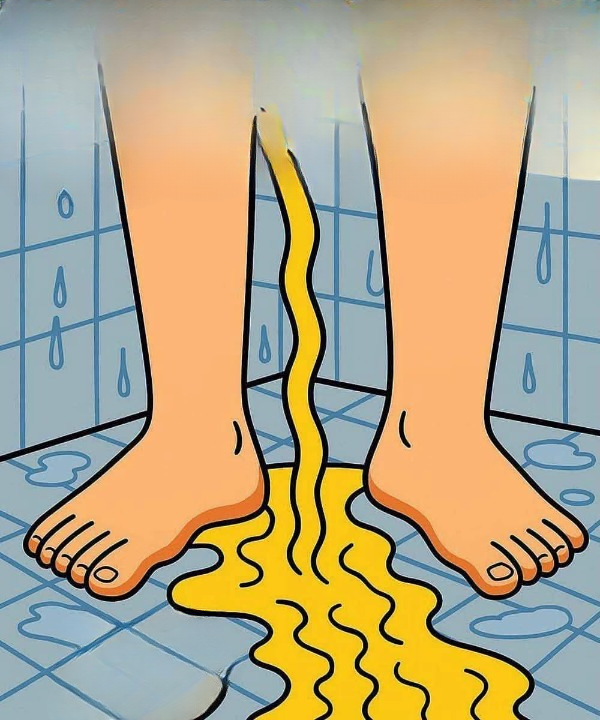
Among these conversations, one habit that frequently comes up is urinating while showering. While the subject may seem unusual, it has become a widely discussed topic online and in everyday conversations. Opinions vary significantly, with some people viewing it as harmless and convenient, while others prefer to avoid the practice entirely.
Understanding the hygiene considerations, environmental discussions, and personal preferences surrounding shower habits can provide a more balanced perspective on a topic that many people rarely discuss openly.
Why Shower Habits Attract Attention
Humans are naturally curious about behavior.
Many everyday actions occur automatically without much conscious thought. Because of this, people often find it fascinating when they discover that others approach the same activity differently.
Showering is a perfect example.
Most individuals shower regularly, yet routines can differ dramatically from person to person. Differences may include:
- Shower length
- Water temperature preferences
- Product choices
- Time of day
- Grooming routines
- Cleaning habits
These variations reflect personal preferences rather than strict rules.
Because showering is such a common activity, even small differences often become interesting discussion topics.
Understanding the Habit
The practice of urinating during a shower is more common than many people assume.
Surveys conducted by various organizations over the years have suggested that a significant number of adults have done so at least once. While exact percentages vary depending on the survey and population studied, the topic consistently generates strong opinions.
For some individuals, the habit develops simply because the opportunity presents itself during a routine bathroom activity.
Others prefer not to do it due to personal hygiene preferences, comfort levels, or household habits.
Ultimately, it remains a matter of personal choice rather than a universal standard.
Hygiene Considerations
When discussing any bathroom-related habit, hygiene naturally becomes part of the conversation.
Modern showers are specifically designed to transport water and waste through drainage systems. As a result, many people view urinating during a shower as functionally similar to other waste disposal processes that occur within bathroom environments.
However, maintaining overall bathroom cleanliness remains important regardless of personal habits.
Good shower hygiene practices include:
- Cleaning shower surfaces regularly
- Preventing soap residue buildup
- Addressing mold and mildew promptly
- Ensuring proper drainage
- Maintaining adequate ventilation
These practices contribute to a cleaner bathroom environment and support overall household hygiene.
The Importance of Regular Cleaning
Whether a person urinates during showers or not, routine bathroom cleaning remains essential.
Bathrooms experience frequent exposure to moisture, which can create favorable conditions for bacterial growth, mildew, and unpleasant odors if not properly maintained.
Experts generally recommend:
Cleaning Surfaces Frequently
Walls, floors, and fixtures should be cleaned on a regular schedule.
Maintaining Drain Systems
Clear drains help prevent standing water and improve sanitation.
Improving Airflow
Proper ventilation reduces excess humidity and supports cleanliness.
Replacing Worn Materials
Old shower curtains, mats, and accessories may require periodic replacement.
These habits contribute far more to bathroom hygiene than any single behavioral choice.
Water Usage and Environmental Discussions
Another aspect frequently discussed involves water conservation.
Some people argue that combining activities within an already-running shower may reduce the need for separate toilet flushing in certain situations.
Others note that overall water conservation depends on many factors, including shower duration, plumbing systems, household size, and daily habits.
Environmental experts generally emphasize broader conservation strategies such as:
- Taking shorter showers
- Repairing leaks promptly
- Installing efficient fixtures
- Reducing unnecessary water use
- Maintaining plumbing systems
These measures often have a more substantial impact on water consumption than individual shower preferences.
Why People Develop Different Bathroom Habits
Bathroom habits are shaped by a variety of influences.
Family routines, cultural norms, personal experiences, and household expectations all play a role.
For example:
- Some households prioritize strict routines and consistency.
- Others take a more flexible approach.
- Certain habits are learned during childhood.
- Others develop later in life.
Because these influences vary widely, there is no single “normal” shower routine that applies to everyone.
What feels completely ordinary in one household may seem unusual in another.
The Psychology of Daily Routines
Although individual habits can sometimes offer clues about lifestyle preferences, experts generally caution against drawing major personality conclusions from isolated behaviors.
Popular articles often claim that specific habits reveal hidden personality traits. In reality, human behavior is far more complex.
A person’s shower routine may be influenced by:
- Schedule demands
- Time constraints
- Household environment
- Personal comfort
- Practical considerations
- Physical needs
Because so many factors contribute to behavior, simple habits rarely provide reliable insight into someone’s overall personality.
Meaningful personality assessments require far more information than a single daily routine.
Structured Versus Flexible Routines
One interesting aspect of shower behavior involves routine structure.
Some people prefer consistency.
They shower at the same time every day, follow the same sequence of activities, and use the same products.
Others adopt a more flexible approach.
Their routines may change depending on work schedules, exercise habits, weather conditions, or personal preferences.
Neither approach is inherently better.
Instead, each reflects a different style of managing daily life.
Understanding these differences can help explain why people develop unique habits without attaching unnecessary judgments to them.
Cultural Differences Around Hygiene Practices
Hygiene customs vary significantly around the world.
Different regions maintain different expectations regarding bathing frequency, water use, bathroom design, and personal care routines.
These cultural differences influence perceptions of what is considered normal, acceptable, or unusual.
As global communication increases through social media and online discussions, people are increasingly exposed to habits that differ from those they learned growing up.
This exposure often sparks curiosity and conversation about practices that may previously have remained private.
Respecting Personal Preferences
One of the most important aspects of discussing bathroom habits is recognizing that personal preferences vary.
What feels comfortable for one person may not feel comfortable for another.
Household expectations, cleanliness standards, and individual comfort levels all influence decision-making.
Respectful discussions acknowledge these differences without assuming that one approach applies universally.
When people understand that habits often reflect personal circumstances rather than character traits, conversations become more productive and less judgmental.
Building Healthy Daily Habits
Regardless of specific shower preferences, maintaining healthy routines can contribute positively to overall well-being.
Examples include:
Consistent Hygiene
Regular bathing supports cleanliness and comfort.
Adequate Hydration
Proper hydration contributes to overall health and physical function.
Time Management
Establishing efficient routines can reduce stress during busy days.
Physical Activity
Exercise supports both physical and mental well-being.
Rest and Recovery
Quality sleep helps maintain energy and focus.
These habits generally have a greater impact on quality of life than minor variations in shower behavior.
Why Everyday Habits Fascinate People
Part of the fascination with topics like shower routines comes from their universality.
Nearly everyone participates in daily hygiene practices, making them relatable conversation subjects.
People enjoy comparing routines because it reveals how diverse human behavior can be.
Simple questions often generate surprisingly varied responses:
How long do you shower?
Do you prefer mornings or evenings?
Hot water or cooler temperatures?
Music or silence?
Structured routine or flexibility?
These differences remind us that there are many ways to accomplish the same task.
Looking Beyond Assumptions
The internet often encourages people to assign dramatic meanings to ordinary behaviors.
Headlines may suggest that simple habits reveal hidden secrets about personality, intelligence, success, or relationships.
In reality, most daily habits are influenced by practical factors rather than deep psychological truths.
Recognizing this distinction encourages a more balanced perspective.
Instead of assuming major conclusions from minor behaviors, it is often more useful to view habits as reflections of circumstances, preferences, and routines.
Conclusion
Shower habits are a surprisingly popular topic because they highlight the diversity of everyday human behavior. Among these habits, urinating during a shower remains one of the most frequently discussed, generating a wide range of opinions and preferences.
While personal choices vary, the most important considerations involve maintaining proper hygiene, keeping bathroom environments clean, and respecting individual comfort levels. Rather than viewing a single habit as a window into someone’s personality, it is more accurate to recognize that daily routines are shaped by numerous factors including lifestyle, upbringing, convenience, and personal preference.
Ultimately, the discussion serves as a reminder that people approach common activities in different ways. Understanding these differences can foster greater awareness, reduce unnecessary judgments, and encourage a more practical perspective on the routines that shape everyday life.