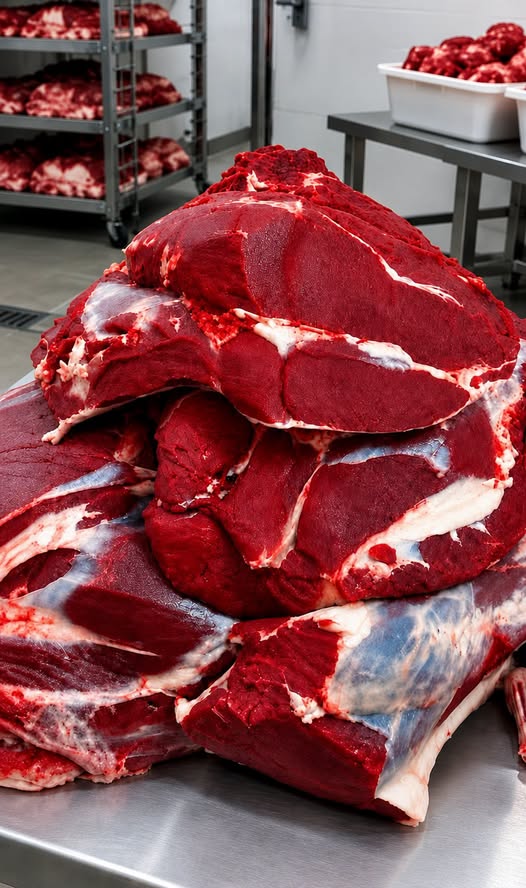
The Truth Behind Grocery Store Meat: What the Color Really Tells You
Walk through almost any grocery store meat department and one thing quickly becomes obvious: color catches our attention.
Bright red steaks, deep pink ground beef, and neatly packaged cuts can look especially appealing under the strong lighting used in refrigerated displays. Many shoppers instinctively associate a vivid red color with freshness and quality.
It is an understandable assumption.
After all, we often use our senses to judge food before buying it. We look at fruit for bruises, check bread for mold, and inspect vegetables for signs of wilting. When it comes to meat, color seems like an obvious clue.
But there is more to the appearance of meat than meets the eye.
The color of beef can change for several completely natural reasons, including exposure to oxygen, the way the meat was packaged, the type of cut, storage conditions, and how long it has been exposed to air.
That means a steak that looks darker than another package is not automatically old, and meat that looks bright red is not automatically fresher.
Understanding what is happening can help shoppers make more informed decisions and avoid judging meat based on appearance alone.
Why Fresh Beef Can Look Different From Package to Package
One of the most important things to understand is that meat naturally changes color when it comes into contact with oxygen.
A protein called myoglobin plays a major role in the color of beef. Myoglobin is found in muscle tissue and helps store oxygen within the muscle.
When beef is first cut, its interior may appear darker purplish-red.
Once the cut is exposed to oxygen, the myoglobin undergoes a chemical change that can produce the familiar bright cherry-red appearance many consumers associate with fresh beef.
This process is sometimes called “blooming.”
It can happen relatively quickly.
So if you purchase a package of beef and notice that the meat looks slightly darker in one area, that does not necessarily mean there is something wrong with it.
The difference may simply be related to how much oxygen has reached that particular part of the meat.
This is especially noticeable with cuts that are tightly packed together.
The outside portions may have greater exposure to oxygen, while the portions underneath or pressed closely together may appear darker.
Once the meat is exposed to air, its color can change again.
In other words, color is not a simple timeline that tells you exactly how fresh a piece of beef is.
Why Some Beef Looks Bright Red
The familiar bright red appearance of beef is largely connected to oxygen exposure.
When oxygen interacts with myoglobin, the pigment can create a bright red appearance that consumers commonly recognize.
This is one reason grocery stores often package meat in ways that allow shoppers to see its surface clearly.
The lighting in grocery stores can also affect how meat appears.
Refrigerated display cases are often brightly illuminated, and the appearance of food under store lighting may differ from how it looks once you bring it home.
This is worth remembering when comparing packages.
A piece of beef that appears particularly vivid under supermarket lighting isn’t necessarily superior to another package that looks slightly darker.
The appearance is influenced by several factors.
Why Meat Can Look Purple or Dark Red
A darker or purplish-red appearance can also be perfectly normal.
When beef has limited exposure to oxygen, myoglobin remains in a different chemical state, giving the meat a darker appearance.
This can occur inside tightly packaged meat.
Vacuum-packed beef, for example, can look considerably darker or purplish when first opened.
That doesn’t automatically indicate spoilage.
Once the packaging is opened and the meat is exposed to oxygen, the color may change.
Consumers who aren’t familiar with this process can sometimes mistake the darker appearance for a problem.
Instead of relying only on color, it is more useful to consider the entire condition of the product, including the packaging, storage instructions, use-by or sell-by information where applicable, and whether the meat has been kept properly refrigerated.
What Happens When Beef Becomes Brown?
Another common source of confusion is brown-colored beef.
Many people immediately assume that brown meat must be spoiled.
But again, the situation isn’t always that simple.
As meat is exposed to oxygen over time, the pigments can undergo additional chemical changes. This can cause the surface to become brownish.
Color changes by themselves don’t provide enough information to determine whether meat is safe to eat.
However, if the meat also has other noticeable signs of deterioration, consumers should take those signs seriously.
A strong unpleasant odor, unusual texture, damaged packaging, leaking packages, or improper storage can all be reasons to avoid the product.
The important lesson is that color should be considered together with other factors rather than used as the only test.
Why Ground Beef Can Be Especially Confusing
Ground beef can be even more difficult to judge by appearance.
A package of ground beef may appear bright red on the outside while being darker inside.
This can happen because the outside portion has more exposure to oxygen.
When the meat is broken apart, the interior may look significantly darker.
That difference doesn’t automatically indicat