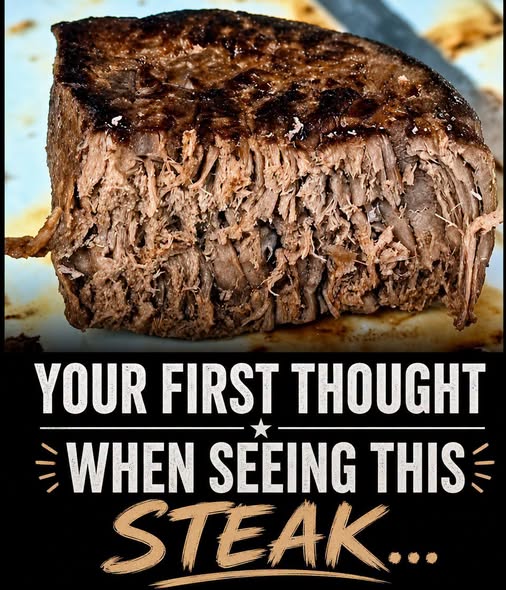
There are certain meals that become memorable almost immediately.
A perfectly prepared steak is one of them.
The appeal isn’t difficult to understand. A well-cooked steak can combine a flavorful browned exterior with a tender interior, while simple seasoning allows the natural character of the meat to remain the star of the plate.
For some people, steak is an occasional restaurant treat. For others, it is a familiar meal prepared at home for a weekend dinner, family gathering, or special occasion.
What makes steak particularly interesting is that there is no single way to enjoy it.
Different cuts have different textures. Cooking methods create different flavors. Seasonings can range from simple salt and pepper to herbs, garlic, spices, marinades, and sauces. Some people prefer their steak relatively rare, while others enjoy it cooked more thoroughly.
Behind this familiar dish is a combination of food science, cooking technique, tradition, and personal preference.
Why Steak Has Such Broad Appeal
Steak has remained popular in many food cultures because it can be both simple and sophisticated.
At its simplest, a steak can be seasoned with salt and cooked in a hot pan.
At a restaurant, the same basic ingredient might be served with roasted vegetables, potatoes, a sauce, fresh herbs, or a carefully selected side dish.
That flexibility makes steak suitable for many occasions.
It can be the centerpiece of a casual family dinner or part of a more elaborate meal.
The cooking process also creates aromas and flavors that are difficult to reproduce with other foods.
As the surface of the meat reaches high temperatures, complex browning reactions take place. These reactions contribute to the rich aromas and savory flavors associated with a well-browned steak.
That browned exterior is one of the characteristics many people look forward to when ordering or preparing steak.
Choosing the Right Cut
One of the most important decisions when preparing steak is choosing the cut.
Different cuts come from different parts of the animal, and the amount of muscle activity, connective tissue, and fat can influence texture and flavor.
Some cuts are naturally tender and require relatively little preparation.
Others contain more connective tissue and can benefit from slower cooking or other preparation methods.
Ribeye
Ribeye is widely appreciated for its rich flavor and generous marbling.
Marbling refers to small amounts of fat distributed throughout the muscle.
When cooked, this fat can contribute to a juicy texture and rich flavor.
Ribeye can be prepared in a pan, on a grill, or using other cooking methods.
Because of its relatively high fat content, it is often popular among people who enjoy a richer steak.
Sirloin
Sirloin offers a different balance.
It can provide a substantial beef flavor while often being more affordable than premium cuts.
Depending on the exact portion and preparation, sirloin can work well for everyday meals as well as more formal dinners.
Tenderloin
Tenderloin is known primarily for its tenderness.
It contains relatively little connective tissue compared with tougher cuts.
Because it is naturally tender, it is often associated with elegant restaurant dishes.
However, its mild flavor and lower fat content mean that some people prefer to serve it with a sauce or flavorful accompaniment.
New York Strip
The strip steak is another popular choice.
It typically offers a balance between tenderness and beefy flavor.
It can develop a flavorful crust when cooked at a sufficiently high temperature while retaining a tender center when prepared properly.
Flank Steak
Flank steak has a different character.
It is relatively lean and has noticeable muscle fibers.
It is often marinated and cooked quickly before being sliced across the grain.
Cutting across the grain is especially important because it shortens the muscle fibers and can make the meat easier to chew.
Why Marbling Matters
When looking at a steak, you may notice thin white lines running through the meat.
These are deposits of intramuscular fat, commonly called marbling.
Marbling can influence both flavor and texture.
During cooking, some of the fat melts and contributes to the overall eating experience.
However, more marbling isn’t automatically better for everyone.
Some people prefer leaner steaks with a cleaner, more pronounced beef flavor.
Others enjoy the richness of heavily marbled cuts.
Ultimately, the ideal amount of marbling comes down to the cut and personal preference.
Preparing Steak Before Cooking
Good steak doesn’t necessarily require complicated preparation.
In many cases, simplicity works extremely well.
Before cooking, the steak can be removed from its packaging and prepared according to the chosen recipe.
A basic seasoning of salt and pepper is enough for many cuts.
Other possibilities include garlic, rosemary, thyme, paprika, black pepper, or a small amount of oil.
Marinades can also be useful, particularly for certain leaner or more fibrous cuts.
The purpose of preparation isn’t to hide the flavor of the meat.
Instead, good preparation should complement it.
The Importance of a Hot Cooking Surface
One of the keys to developing a flavorful crust is using a sufficiently hot cooking surface.
Whether you’re using a heavy skillet, grill, or another suitable cooking method, the surface needs to provide enough heat for the exterior of the steak to brown effectively.
When meat comes into contact with a hot surface, moisture on the exterior begins to evaporate.
As the surface becomes dry enough and reaches a sufficiently high temperature, browning reactions can develop.
This contributes to the deep color and savory flavor associated with a nicely seared steak.
The process is often discussed in relation to the Maillard reaction, a series of chemical reactions between amino acids and reducing sugars that occurs during cooking.
It is one reason a browned steak tastes so different from meat that has been gently heated without significant surface browning.
Why the Crust Is So Important
The crust isn’t merely decorative.
It contributes significantly to the flavor and aroma of the finished steak.
A well-browned surface can provide a combination of roasted, savory, nutty, and slightly caramelized notes.
This creates contrast with the softer interior.
That contrast is part of what makes a steak satisfying.
A good steak can therefore provide multiple textures in a single bite: a flavorful exterior followed by a tender center.
Pan-Seared Steak
Pan-searing is one of the most accessible methods for cooking steak at home.
A heavy skillet can provide consistent heat and a large cooking surface.
Cast-iron pans are particularly popular because they can retain substantial heat, although other heavy pans can also work well.
The steak is placed on the heated cooking surface and allowed to develop color.
Depending on thickness, the steak may then be turned and cooked on the other side.
Some cooks add butter, garlic, and herbs toward the end of cooking and spoon the aromatic butter over the meat.
This can add another layer of flavor.
However, the exact technique should be adapted to the cut and thickness of the steak.
Grilling Steak
Grilling provides a different experience.
The combination of direct heat and contact with the grill can produce characteristic browned areas and grill marks.
Outdoor grilling is especially popular during warm weather, but many people also use indoor grill pans or electric grills.
Grilling can work particularly well with cuts such as ribeye, strip steak, sirloin, and other steaks suited to high-heat cooking.
Because grills can vary significantly in temperature, paying attention to the steak rather than relying entirely on a fixed cooking time is important.
The Role of Temperature
One of the most common mistakes when preparing steak is relying entirely on cooking time.
A recipe may say that a steak needs a certain number of minutes per side, but many variables affect cooking speed.
The thickness of the steak matters.
The starting temperature of the meat matters.
The cooking surface matters.
The actual temperature of the pan or grill matters.
Even the shape of the steak can make a difference.
For this reason, an instant-read food thermometer can be a useful tool.
Rather than guessing, cooks can use temperature measurements to better understand how far the steak has cooked.
Rare, Medium-Rare, Medium, and Beyond
People have strong preferences regarding steak doneness.
Some enjoy a steak with a relatively cool, red center.
Others prefer a warmer center with less visible redness.
Some want their steak cooked throughout.
There isn’t one universal preference.
The important consideration is that meat should be handled and cooked according to appropriate food-safety guidance.
A thermometer is more reliable than judging safety based on color alone.
The color of cooked beef can vary for several reasons, and visual appearance isn’t a precise indicator of internal temperature.
Why Resting Steak Matters
After cooking, many people immediately cut into their steak.
However, allowing the meat to rest briefly can improve the overall eating experience.
Resting gives the steak time to settle after cooking.
Some of the juices that move toward the surface during heating can redistribute as the meat cools slightly.
The exact resting time depends on the size and thickness of the steak, but even a short rest can be useful.
It can also make serving easier because the steak is slightly less hot when sliced.
Cutting Steak Correctly
How you slice a steak can influence how tender it feels.
This is especially important with cuts that have prominent muscle fibers.
Look closely at the steak and identify the direction in which the fibers run.
Cutting perpendicular to those fibers creates shorter pieces of muscle.
This can make each bite easier to chew.
For cuts such as flank steak and skirt steak, this technique is particularly important.
Even an otherwise well-prepared steak can seem tougher if it is sliced in the wrong direction.
Sauces Can Change the Entire Dish
Although steak can stand on its own, sauces can create a completely different experience.
A simple pan sauce made with stock, butter, herbs, or other ingredients can complement the meat.
Peppercorn sauce is another familiar pairing.
Chimichurri, with its fresh herbs and acidic character, can provide a bright contrast to richer cuts.
Mushroom sauces are also commonly served with steak.
The key is balance.
A heavily flavored sauce can complement a mild steak, while a richly marbled cut may already provide enough flavor to work beautifully with only a small amount of seasoning.
Side Dishes That Pair Well With Steak
Steak is often served with familiar side dishes.
Roasted potatoes are a classic option.
French fries can create a casual restaurant-style meal.
Mashed potatoes provide a softer, comforting contrast.
Vegetables such as asparagus, green beans, broccoli, or roasted carrots can add color and freshness.
A simple salad can provide acidity and texture.
The best side dishes often create contrast rather than competing with the main course.
A rich steak paired with something fresh and lightly seasoned can feel more balanced than a plate filled entirely with heavy foods.
Butter and Herbs
One of the easiest ways to add flavor to steak is finishing it with butter and herbs.
As the steak nears the desired level of cooking, a small amount of butter can be added to the pan.
Garlic, thyme, rosemary, or other herbs can be added for aroma.
The melted butter can then be spooned over the steak.
This technique is popular because it combines the rich flavor of butter with the aromas of fresh herbs and browned meat.
It doesn’t require a complicated sauce or extensive preparation.
Steak Isn’t Only About Luxury
Steak is sometimes associated with expensive restaurants and special occasions.
But it doesn’t have to be.
Different cuts are available at different price points, and careful preparation can produce a satisfying meal without requiring a premium steak.
Budget-friendly cuts can often become excellent dishes when prepared appropriately.
For example, a tougher cut may benefit from marinating, slicing thinly, or using a slower cooking method.
The key is understanding what the particular cut needs.
How Steak Became a Familiar Favorite
Steak’s popularity is connected to the broader history of meat preparation.
Different cultures developed their own approaches to cooking beef, using local ingredients and techniques.
Grilling, roasting, pan-frying, braising, and slow cooking all became important ways of preparing meat.
Modern steakhouse culture eventually helped establish certain cuts and cooking styles as familiar restaurant traditions.
Today, steak can be found in countless forms around the world.
It might appear in a classic steakhouse dinner, sliced over a salad, served in tacos, added to sandwiches, or prepared alongside regional sauces and vegetables.
The Importance of Food Safety
While steak is enjoyable, safe food handling should always remain part of the preparation process.
Raw meat should be kept refrigerated appropriately.
Hands, utensils, cutting boards, and work surfaces should be cleaned properly after contact with raw meat.
Raw meat should also be kept separate from foods that are ready to eat.
When cooking, use a reliable food thermometer when appropriate and follow established food-safety recommendations for the particular type and cut of meat.
These basic habits are easy to overlook, especially when preparing a quick dinner, but they are an important part of good cooking.
Why Homemade Steak Can Be So Rewarding
There is something satisfying about preparing steak at home.
Unlike complicated recipes that require many ingredients, steak can be relatively simple.
You can start with a good cut, season it appropriately, cook it carefully, and serve it with a few complementary ingredients.
The process also gives you control.
You decide how much seasoning to use.
You choose the cooking method.
You can adjust the level of doneness to your preference.
And you can experiment with sauces and side dishes.
That makes steak a useful meal for both beginners and experienced home cooks.
Common Mistakes to Avoid
Even a simple steak can be affected by a few common mistakes.
Cooking in a pan that isn’t hot enough
Insufficient heat can make it difficult to develop a good crust.
Constantly moving the steak
Allowing the meat to remain in contact with the cooking surface helps browning develop.
Cutting immediately
A short resting period can improve the final texture and reduce the amount of juice lost when slicing.
Using time alone
Cooking time varies with thickness, equipment, and temperature.
Overcomplicating the seasoning
Sometimes too many ingredients can overwhelm the natural flavor of the meat.
Ignoring the grain
Slicing with the muscle fibers can make certain cuts seem tougher than necessary.
A Great Steak Doesn’t Need to Be Complicated
Perhaps that’s one of the biggest reasons steak continues to be popular.
It can be sophisticated without being complicated.
A quality cut, appropriate seasoning, sufficient heat, careful cooking, and a short resting period can produce a memorable meal.
You don’t need dozens of ingredients.
You don’t need an elaborate recipe.
And you don’t necessarily need restaurant equipment.
Understanding the basics is often more valuable than following a complicated set of instructions.
Final Thoughts
Steak has remained a favorite for generations because it offers something that is difficult to replace: rich flavor, satisfying texture, and remarkable versatility.
There are countless ways to prepare it.
A ribeye can be celebrated for its marbling and richness.
A tenderloin can appeal to those who prioritize tenderness.
A strip steak can offer a balance between flavor and texture.
A flank steak can become an excellent meal when marinated, cooked appropriately, and sliced across the grain.
Each cut has its own character.
The cooking method matters too.
Pan-searing can create a deeply browned crust.
Grilling adds a distinctive outdoor-cooking character.
Slow cooking can transform tougher cuts into tender dishes.
And simple seasoning can sometimes be enough to let the meat speak for itself.
The next time you sit down to a well-prepared steak, take a moment to appreciate what is happening on the plate.
The browned surface is the result of complex chemical reactions.
The tenderness depends partly on the cut and how it was prepared.
The flavor can come from a combination of the meat’s natural characteristics, seasoning, cooking method, and accompanying ingredients.
That’s what makes steak more than just another dinner.
It is a remarkably versatile ingredient that can be simple enough for a weekday meal and special enough for a celebration.
And perhaps that balance is the real reason this classic dish continues to delight food lovers around the world.