The Quiet Structure by the Road: How Simple Visibility Markers Improve Safety in Rural Areas
Introduction: Why You Sometimes See Tall Poles Near Driveways
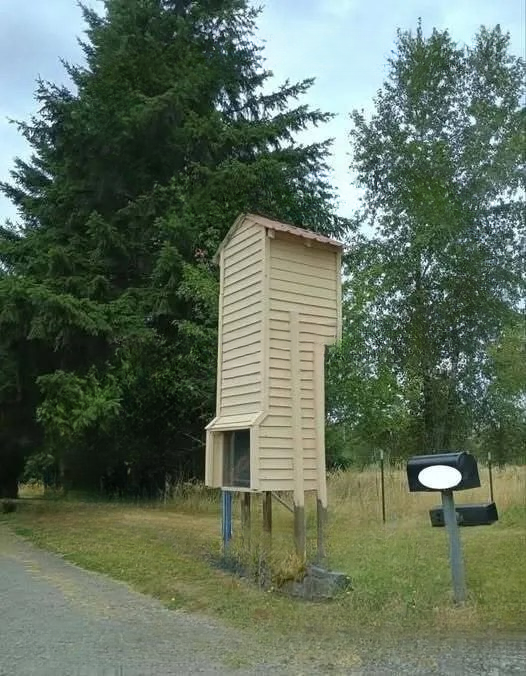
If you drive through rural or semi-rural roads, you may notice tall, narrow structures positioned near driveways or property entrances. At first glance, they can look unusual—simple wooden or metal poles standing quietly at the edge of a road, sometimes painted in neutral tones or left to weather naturally over time.
Although they may appear decorative or even mysterious, these structures often serve a very practical purpose: improving visibility and safety for drivers, especially in areas where driveways are difficult to spot.
Why Visibility Matters on Rural Roads
Unlike city streets, rural roads often present unique challenges for drivers:
- Limited street lighting
- Sharp curves and blind corners
- Narrow lanes
- Long stretches with no signage
- Driveways that blend into the landscape
In these environments, even a small improvement in visibility can make a significant difference in preventing accidents.
What These Roadside Structures Actually Do
The tall posts or markers placed near driveways are typically designed to help drivers identify key entry points from a distance. Depending on the region and purpose, they may function as:
- Driveway markers
- Reflective safety indicators
- Mailbox visibility guides
- Utility or boundary markers
- Location reference points for emergency services
Their main goal is simple: make it easier to see where a property begins or where a vehicle may enter or exit the road.
How They Improve Driver Awareness
When driving at higher speeds on rural roads, the human eye has limited time to react to unexpected turns or entrances. Visibility markers help by:
- Drawing attention to driveway locations
- Breaking up visual monotony along long roads
- Reflecting headlights at night (in some designs)
- Providing early warning of potential turning points
This added awareness gives drivers more time to slow down and respond safely.
Materials and Design Choices
These structures are often built to be simple, durable, and low-maintenance. Common materials include:
- Wood posts
- Metal poles
- Weather-resistant paint or coatings
- Reflective tape or markers
- Solar-powered lights in some modern versions
Many are designed to withstand harsh weather conditions, including rain, snow, wind, and strong sunlight.
Why Some Look Weathered or Old
Because these markers are placed outdoors year-round, they naturally age over time. Sun exposure can fade paint, while rain and wind may gradually wear down surfaces.
However, this weathered appearance does not reduce their effectiveness. In many cases, it simply reflects long-term exposure rather than neglect.
The Role in Emergency Response
Visibility markers can also be helpful for emergency services.
When responding to calls in rural areas, fire trucks, ambulances, and police vehicles often rely on clear visual cues to locate properties quickly. A visible marker near a driveway can reduce confusion and help responders arrive faster.
In emergencies, even seconds can matter.
Not Just Functional—Sometimes Regulatory
In some regions, local authorities or utility companies may require certain types of visibility markers, especially in:
- Remote residential areas
- Long private driveways
- Properties with limited roadside visibility
- Areas with frequent fog, snow, or poor lighting
These guidelines help improve overall road safety standards.
Common Misunderstandings
Because these structures are not always clearly labeled, they are sometimes mistaken for:
- Surveillance equipment
- Weather instruments
- Utility monitoring devices
- Communication towers
In reality, most are simple safety aids designed for visibility rather than data collection or surveillance.
Why They Matter More Than They Seem
At first glance, a roadside post may seem insignificant. But in transportation safety, small details often play a major role in preventing accidents.
Clear visibility reduces uncertainty for drivers, and reduced uncertainty leads to safer decision-making.
These simple structures contribute quietly but effectively to that goal.
Final Thoughts
Not every important safety feature is complex or high-tech. Sometimes, the most effective solutions are also the simplest. A single well-placed marker along a rural road can improve visibility, guide drivers, and support emergency response efforts—all without drawing attention to itself.
The next time you notice one of these quiet roadside structures, it may seem unremarkable. But in reality, it represents a small but meaningful effort to make everyday travel safer for everyone on the road.