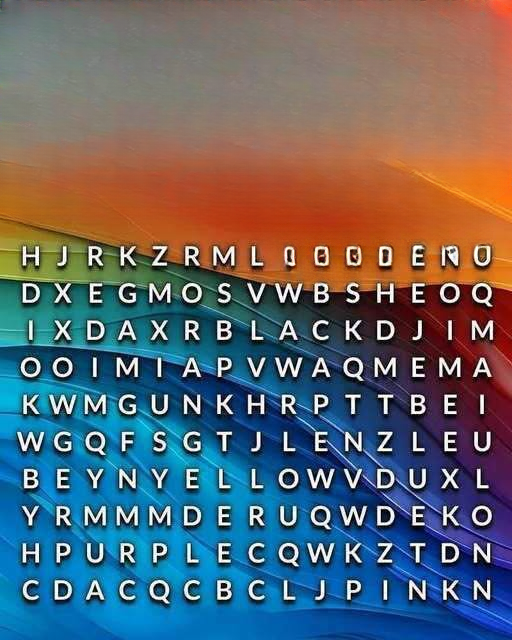
How Color Awareness Can Reveal Your Stress Patterns: A Simple Self-Observation Exercise
Introduction: You Don’t Just See the World—You Filter It
Most people assume they observe their surroundings objectively. A room is just a room. A street is just a street. Colors, shapes, and objects seem like neutral background details.
But psychology tells a different story.
Human perception is highly selective. At any given moment, your brain is filtering enormous amounts of visual information and prioritizing what feels most relevant. This filtering process is influenced by attention, memory, and emotional state—especially stress.
That means what you notice in your environment may say more about how you feel than you realize.
The Link Between Emotion and Perception
When you are calm, your attention tends to expand. You may notice subtle details like lighting, textures, or background colors.
When you are stressed or overwhelmed, your focus often narrows. Your brain prioritizes threat detection and urgent tasks, filtering out details it considers non-essential.
This shift can influence:
- What colors stand out to you
- Which objects capture your attention
- How long you focus on specific visual details
- How quickly you move through your environment
In other words, perception becomes a reflection of mental state.
A Simple Color Awareness Exercise
One way to explore this connection is through a basic observation exercise that uses colors as reference points for attention and awareness.
This is not a test or diagnosis, but a mindfulness tool designed to help you notice patterns in your focus.
Step 1: Pause and Observe
Choose your immediate environment—your room, office, or outdoor space.
Without searching deliberately, simply allow your eyes to move naturally and notice which colors stand out first.
Do not force attention. Just observe.
Step 2: Identify the Dominant Colors You Notice
After a few moments, ask yourself:
- Which color did I notice first?
- Which color appears most frequently in my awareness?
- Did any color feel “louder” or more attention-grabbing than others?
Common responses might include neutral tones (white, gray, beige) or stronger colors like red, blue, or green depending on the environment.
Step 3: Reflect on Your Current State
Now consider how you feel in the moment:
- Calm or restless?
- Focused or distracted?
- Energized or fatigued?
While this is not a scientific measurement, many people find that their emotional state influences what stands out visually.
Why Certain Colors Capture Attention
Color perception is not random. It is influenced by both biology and psychology.
Some general patterns include:
- Red tones often draw attention quickly due to their association with urgency or intensity.
- Blue tones are often associated with calmness and stability.
- Green tones are commonly linked to balance and restfulness.
- High-contrast environments tend to feel more stimulating and visually dominant.
However, personal experiences and cultural associations also play a major role.
Stress and Visual Focus
When stress levels increase, the brain becomes more selective about what it processes.
This can result in:
- Reduced awareness of background details
- Strong focus on specific objects or tasks
- Heightened sensitivity to movement or contrast
- Difficulty noticing subtle environmental changes
These effects are part of the body’s natural stress response system.
Using Observation as a Grounding Technique
Simple awareness exercises like color observation can help shift attention away from internal tension and into the present moment.
By focusing on neutral sensory input, such as visual details in your environment, you may temporarily reduce mental overload.
This is one reason mindfulness practices often include sensory awareness techniques.
Important Clarification
This exercise is not a psychological assessment or diagnostic tool. It does not measure mental health conditions or provide clinical insights.
Instead, it is a reflective practice that can help people notice how attention and perception change throughout the day.
Why This Matters in Everyday Life
Understanding how perception shifts under stress can be useful in many situations, including:
- Work environments with high pressure
- Academic focus and studying
- Conflict or emotionally charged conversations
- Daily decision-making under fatigue
Recognizing these shifts can help you pause and reset your attention when needed.
Final Thoughts
Your brain is constantly interpreting the world, but it does not do so in a fixed or neutral way. Emotion, stress, and focus all influence what you notice and how you experience your surroundings.
By occasionally paying attention to something as simple as color, you can gain insight into your own patterns of awareness. Over time, this can help you better understand how your mind responds to different situations—and how to bring it back into balance when needed.