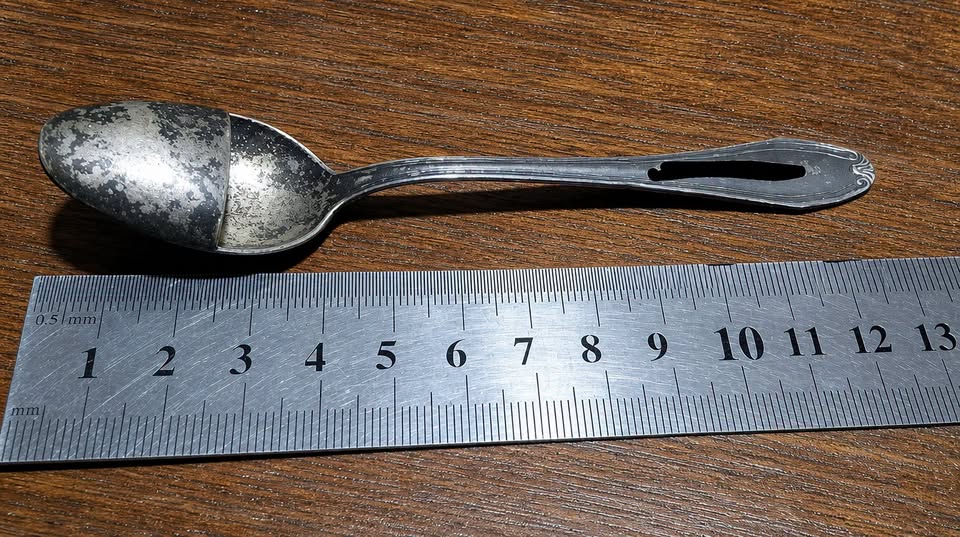
The Curious History of the Vintage Medicine Spoon—and What It Was Designed to Do
Some objects from the past appear ordinary at first glance, yet their original purpose can make them surprisingly fascinating. A vintage medicine spoon is one such item. Its distinctive shape, cool metal surface, and unusual design may bring back memories of childhood or spark curiosity among people discovering one for the first time.
Before modern measuring cups, oral syringes, and convenient medication dispensers became common household items, specialized spoons were often used to help people take liquid medicine. These utensils came in different shapes and sizes, reflecting the changing approaches to everyday healthcare and medication measurement.
For those who remember seeing one in a medicine cabinet, a vintage medicine spoon may feel like a small piece of family history. But its design also offers a glimpse into how people once measured and administered medicine at home.
What Was a Vintage Medicine Spoon?
A vintage medicine spoon was a utensil designed to help measure or administer liquid medication. Unlike an ordinary eating spoon, some versions featured a specially shaped bowl, an extended handle, or a narrow design intended to make handling medicine more convenient.
Different styles existed, and their exact purpose depended on the design. Some were intended to hold a measured quantity of liquid, while others were designed to help guide medicine into the mouth.
Materials varied as well. Older examples might be made from metal, glass, or other durable materials. Their appearance often reflected the manufacturing styles and household medical practices of the period in which they were produced.
Why Did Medicine Spoons Have Unusual Shapes?
The shape of a vintage medicine spoon was not always decorative. In many cases, its design served a practical purpose.
A narrow bowl could help control the amount of liquid held by the utensil. An elongated handle might make it easier to reach or handle the spoon. Certain designs were also intended to make administering liquid medicine more manageable, particularly for children.
However, not every unusual spoon was a medical instrument. Some antique utensils were created for specialized household tasks, and similar-looking objects may have served different purposes.
That is why examining the object’s overall shape, markings, material, and construction can be useful when trying to identify an unfamiliar antique.
A Familiar Object From Childhood
For many people, vintage medicine spoons are connected to memories of childhood illnesses and visits to the family medicine cabinet.
Before today’s familiar measuring devices became widespread, households often relied on the utensils supplied with medicines or purchased separately. A parent might carefully measure a dose while a child waited nearby, hoping the medicine would be over quickly.
These small routines became part of everyday family life. As a result, an old medicine spoon can hold sentimental value beyond its practical function.
Even people who never used one themselves may find the object interesting because it reflects a different era of household healthcare.
How Medicine Measurement Has Changed
Medication measurement has changed considerably over time. Today, many liquid medicines come with dosing cups, oral syringes, or other measuring devices designed for more precise use.
Ordinary household teaspoons and tablespoons are not reliable substitutes for medical measuring tools because their capacities can vary. For this reason, modern medication instructions generally emphasize using the dosing device supplied with the product or another appropriate measuring instrument.
Vintage medicine spoons are therefore best appreciated as historical objects rather than assumed to be suitable for measuring medication today.
How to Identify an Antique Medicine Spoon
If you discover an unfamiliar spoon in an old drawer, medicine cabinet, or collection, several details may help you investigate its history:
- Shape: Look at the bowl, handle, and any unusual features.
- Material: Determine whether it appears to be made from metal, glass, or another material.
- Markings: Manufacturer names, numbers, or other inscriptions may offer clues.
- Construction: The way the handle and bowl are connected may help establish its age or intended use.
- Provenance: Information about where the item was found or how it was used by previous owners can provide helpful context.
A photograph or comparison with documented antique medical utensils may also help narrow down its identity. When an object is particularly old or unusual, an antiques specialist or museum collection may provide additional insight.
A Small Object With a Story to Tell
Vintage medicine spoons are a reminder that even the smallest household objects can reveal something about everyday life in earlier generations.
Their designs reflect practical needs, changing medical habits, and the ways families managed routine healthcare at home. What may initially look like an ordinary old utensil can become a fascinating example of domestic history.
Whether discovered in a family collection, an antique shop, or an old cabinet, a vintage medicine spoon offers a reason to pause and consider how much everyday life has changed—and how some objects continue to connect us with the past.