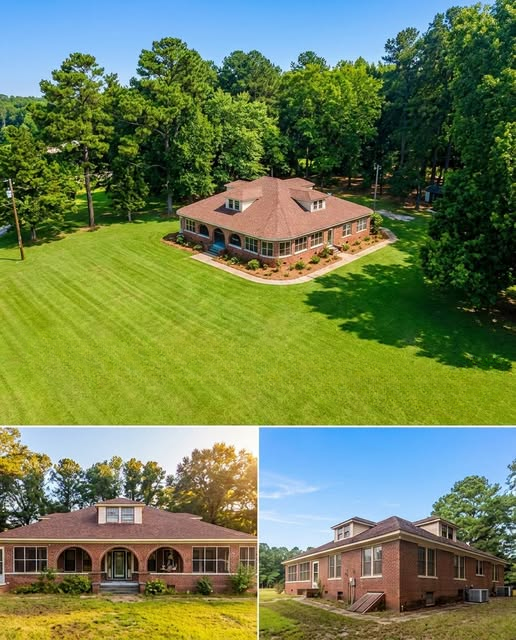
Introduction: A Timeless Architectural Canvas
There are some properties that are merely houses, and then there are homes that carry the weight of history, waiting patiently for the right caretaker to wake them from a long sleep. Nestled deep beneath a canopy of mature, towering trees and wrapped in undeniable Southern charm, this remarkable 1930s brick treasure stands as a monument to an era of craftsmanship that modern construction rarely replicates.
From its thick, solid masonry walls to the intricate millwork hidden beneath layers of aging paint, this house tells a story of the past. For preservationists, history buffs, and bold renovators, stumbling upon a structural gem from the 1930s is the ultimate real estate dream. It is a rare chance to breathe new life into a historic asset, blending period-correct preservation with modern comfort.
Architectural Heritage: The Hallmark Traits of 1930s Construction
The 1930s was a fascinating decade in American architecture. Caught in the transitional sweet spot between the ornate detailing of the roaring twenties and the streamlined minimalism of post-war suburban expansion, homes built during this era embraced enduring strength and understated elegance.
-
Solid Brick Masonry: Unlike modern stick-built homes with thin brick veneers, 1930s homes were typically built with thick, double-wythe structural brick walls. This heavy masonry provides exceptional thermal mass, natural soundproofing, and incredible longevity.
-
Hand-Crafted Woodwork: Step inside, and you will often find hardwoods that have long since vanished from modern supply chains. Old-growth pine floors, solid oak moldings, custom built-ins, and multi-pane wooden windows showcase an extraordinary level of human care.
-
Proportion and Symmetry: Architecture from this decade favored balanced floor plans, steep pitched roofs, arched entryways, and classic detailing that felt grounded and welcoming.
-
Plaster Walls: Long before drywall became the industry standard, interior walls were crafted from plaster applied over wooden or metal lath. While challenging to repair, historic plaster offers a solid, acoustic-dampening finish that modern materials cannot duplicate.
The Restoration Challenge: Balancing Past and Present
Taking on a historic restoration project is not for the faint of heart. It requires patience, deep pockets, a respect for architectural integrity, and a clear vision of what the home can become once the dust settles. When evaluating a 1930s Southern brick treasure, restorers typically face a specific set of challenges:
1. Structural and Foundation Assessments
Time is rarely kind to neglected buildings. Settling foundations, sagging roof rafters, and damaged mortar joints require immediate attention from structural engineers and masonry experts. Repointing historic brickwork—replacing decayed mortar with a lime-based mixture that matches the original—is a meticulous art form required to protect the structural integrity.
2. Upgrading Outdated Infrastructure
A home built in the 1930s operated in a completely different technological world. Knob-and-tube wiring, galvanized steel plumbing, and non-existent ductwork for modern HVAC systems mean the home will need a complete mechanical overhaul. The trick lies in fishing new electrical wires and plumbing lines through historic walls without destroying original moldings, floors, and plaster surfaces.
3. Lead Paint and Asbestos Remediation
Older homes frequently harbor hazardous materials that were standard industry practice at the time. Safe abatement and professional testing are critical first steps before any cosmetic demolition or sanding begins, ensuring the health and safety of workers and future occupants.
The Reward: Uncovering Hidden Treasures
Despite the challenges, the payoff of restoring a 1930s home is deeply satisfying. As contractors strip away decades of poor remodeling choices, drop ceilings, and synthetic carpets, authentic architectural treasures often emerge:
-
Uncovering Original Hardwoods: Sanding and sealing layers of grime away from original heart pine or white oak floors reveals a rich, warm patina that new wood flooring simply cannot match.
-
Restoring Hardware and Fixtures: Original brass door knobs, glass doorknobs, cast-iron skeleton key locks, and vintage light fixtures can often be lovingly restored to working order, adding authentic character that money cannot buy.
-
Reviving Outdoor Living Spaces: Southern architecture was designed to embrace the climate. Restoring screened porches, sleeping porches, brick patios, and sprawling front entryways re-establishes the seamless connection between indoor comfort and outdoor serenity.
Tips for a Successful Historic Home Restoration
If you are considering taking on a historic preservation project of your own, keeping a few golden rules in mind can save you time, money, and heartache:
-
Hire Professionals Who Specialize in Historic Properties: Never trust a standard modern contractor with a historic home. Look for builders, masons, and architects who understand historic building codes, preservation standards, and period-appropriate materials.
-
Prioritize the Envelope First: Before worrying about paint colors or kitchen countertops, secure the roof, repair damaged masonry, fix drainage issues, and ensure the structure is completely weather-tight.
-
Save and Repair Rather Than Replace: The golden rule of historic preservation is to retain original material whenever possible. Repair a historic wooden window rather than replacing it with vinyl; salvage original doors rather than buying new factory replicas.
-
Research Local Historic Tax Credits: Many state and federal governments offer significant tax incentives, grants, and property tax freezes for homeowners who faithfully restore certified historic structures.
Conclusion: A Legacy Worth Preserving
A 1930s Southern brick treasure is more than just a fixer-upper; it is a time capsule and a sacred trust. To take on its restoration is to become a steward of local history, rescuing a masterpiece of craftsmanship from oblivion and setting it up for another century of life.
With thoughtful planning, skilled hands, and a deep appreciation for the past, this architectural canvas transforms from a forgotten relic into a breathtaking, soul-filled home once again.