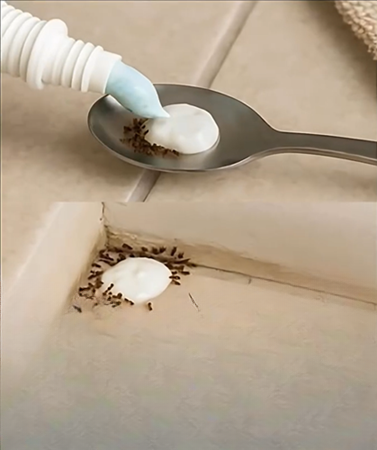
Say Goodbye to Household Pests Naturally: 18 Simple Ways to Keep Insects Away Without Harsh Chemicals
Finding ants in the kitchen, flies around the dining table, spiders in unexpected corners, or cockroaches hiding behind appliances can quickly make a comfortable home feel less inviting. Household pests are a common problem, and even a small number of unwanted visitors can become frustrating when they repeatedly appear in living spaces.
Many homeowners immediately reach for commercial insect sprays when they notice insects indoors. Although some products can be effective, not everyone wants to use sprays throughout their home, particularly around children, pets, food preparation areas, or frequently used furniture.
Fortunately, there are several practical ways to prevent and manage common household pests without immediately relying on conventional insecticides.
The most effective approach often begins with understanding why insects enter homes in the first place. Most household pests are looking for three basic things: food, water, and shelter. When these resources are easy to find, your home can become an attractive place for them to settle.
By improving household cleanliness, reducing moisture, sealing entry points, and using simple physical prevention methods, you can make your living environment considerably less attractive to unwanted insects.
It is important to understand that natural methods are not guaranteed to eliminate every infestation. However, combining several prevention techniques can make a meaningful difference.
In this guide, we will explore 18 practical ways to keep common household pests under control while reducing unnecessary pesticide use.
1. Start by Removing the Things That Attract Household Pests
Before trying any homemade solution, take a closer look at your home.
Pests rarely enter a building without a reason. Food scraps, standing water, uncovered garbage, and undisturbed hiding places can make an indoor environment attractive to different insects.
Ants may enter while searching for crumbs or sugary substances. Cockroaches are attracted to available food and moisture. Flies may gather around uncovered rubbish, fruit, and other organic materials.
The first step is therefore to remove the conditions that encourage these visitors.
Start by cleaning kitchen surfaces after preparing meals. Wipe away spills, remove crumbs from countertops, and avoid leaving dirty dishes in the sink overnight.
Store food in containers with tightly fitting lids rather than leaving opened packages on shelves.
Pay particular attention to areas behind appliances, underneath kitchen cabinets, and around rubbish bins. These places can collect food residue that is easily overlooked during ordinary cleaning.
It is also useful to vacuum regularly, especially around dining areas and furniture.
These simple habits can reduce the resources available to household pests and make your home less appealing to them.
2. Try a Simple Soap-and-Water Cleaning Method
One inexpensive household method involves using ordinary dish soap and water.
A mild soap solution can help clean surfaces and remove the scent trails that some ants leave behind when moving between food sources and their nests.
To prepare a basic cleaning solution:
- Fill a small container with warm water.
- Add a few drops of ordinary dishwashing liquid.
- Mix gently until the soap is distributed.
- Dampen a clean cloth with the solution.
- Wipe kitchen counters, floors, and other suitable washable surfaces.
- Follow with a clean damp cloth if needed.
This method is particularly useful when cleaning areas where ants have been travelling.
Ants use chemical scent trails to help other members of their colony locate food. Cleaning these trails can make it harder for them to follow the same route.
However, cleaning the visible trail does not necessarily remove the colony.
If ants continue appearing, look for the opening they are using to enter the building and investigate the food source attracting them.
Avoid applying soapy water directly to electrical equipment, food, or delicate surfaces without checking whether the material can tolerate it.
3. Keep Your Kitchen Clean to Discourage Ants
Ants are among the most common household visitors.
They can enter through extremely small openings and may quickly become noticeable when they discover a reliable food source.
Even a few crumbs left on a kitchen counter can attract them.
One of the simplest ways to discourage ants is to make sure food is not easily accessible.
Store sugar, honey, biscuits, cereal, and other pantry items in sealed containers.
After preparing food, wipe down counters and remove any sticky residue.
Pay attention to areas around fruit bowls, kitchen appliances, and rubbish containers.
If you notice ants travelling along a particular wall or countertop, follow their route carefully to identify where they are entering.
Sealing small openings around windows, doors, pipes, and baseboards can help prevent further access.
It is also useful to clean the affected area regularly because ants may continue following previously established scent trails.
Remember that different ant species have different nesting habits.
A persistent infestation may require professional identification and treatment, particularly if ants are nesting inside walls or structural materials.
4. Use Window and Door Screens to Keep Flies Outside
Flies can become particularly annoying during warmer months.
They often enter homes through open doors and windows while searching for food or suitable places to rest.
One of the most practical ways to reduce their presence is to install insect screens.
Window screens create a physical barrier while still allowing fresh air to circulate.
Door screens can be especially useful for homes where family members frequently move between indoor and outdoor spaces.
Check existing screens for small holes, loose edges, and damaged sections.
Even a small opening may provide enough space for insects to enter.
It is also important to close doors promptly rather than leaving them open unnecessarily.
Keeping food covered and removing rubbish regularly can make your home less attractive to flies that manage to get inside.
This approach does not require complicated equipment or homemade sprays.
It simply prevents many flying insects from entering in the first place.
5. Reduce Moisture to Discourage Cockroaches
Cockroaches are among the household pests that many people find particularly unpleasant.
They often hide in dark, sheltered locations and can become active when the surrounding environment provides suitable food, water, and hiding places.
Bathrooms, kitchens, laundry areas, and spaces beneath sinks can offer favorable conditions.
Reducing unnecessary moisture is an important part of preventing cockroach activity.
Check plumbing connections for leaks and repair dripping faucets.
Avoid allowing water to collect beneath refrigerators, washing machines, or kitchen sinks.
After using the bathroom, make sure wet surfaces are allowed to dry properly.
If you notice damp areas around pipes or cabinets, investigate the source rather than simply wiping the water away.
Ventilation can also help reduce excessive indoor humidity.
Cockroaches can survive in different environments, so moisture control alone will not eliminate an established infestation. However, removing easy access to water can make your home less attractive.
For persistent cockroach problems, professional pest identification and treatment may be necessary.
6. Remove Standing Water Around Your Home
Standing water can attract mosquitoes and support their breeding cycle.
Even relatively small containers can collect enough water to become potential breeding sites.
Take a walk around your property and check for places where rainwater may accumulate.
Common examples include:
- Empty flowerpots and plant saucers.
- Buckets and unused containers.
- Old tires.
- Outdoor toys.
- Clogged gutters.
- Decorative water containers.
- Uncovered storage items.
Empty unnecessary water regularly and clean containers that are exposed to rain.
Check gutters to ensure water can drain properly.
If you have outdoor water features, maintain them according to appropriate guidance so that water does not become stagnant.
This approach is especially useful during warmer months when mosquito activity can increase.
Reducing standing water is one of the most practical ways to manage mosquitoes without filling outdoor areas with unnecessary insect sprays.
7. Keep Rubbish Bins Properly Covered
Household rubbish can attract several types of insects.
Food packaging, fruit scraps, leftover meals, and other organic waste provide a potential food source for flies, ants, and cockroaches.
An uncovered rubbish bin makes these materials easier to access.
Choose a bin with a secure lid and empty it regularly.
If food waste is likely to remain inside the bin for several days, consider using a suitable sealed container or removing the waste more frequently.
Clean the inside of the bin occasionally to remove residue and unpleasant odors.
Pay attention to the area surrounding the rubbish container as well.
Food scraps that fall onto the floor can attract insects even when the bin itself is covered.
If possible, keep outdoor rubbish containers away from frequently used entrances.
Good waste management is a simple but important part of keeping unwanted insects away.
8. Seal Small Cracks and Openings Around Your Home
Some household pests enter through surprisingly small gaps.
Cracks around windows, spaces beneath doors, openings near plumbing pipes, and damaged weather stripping can provide convenient entry points.
Inspect the exterior and interior of your home carefully.
Look around:
- Window frames.
- Door frames.
- Kitchen cabinets.
- Bathroom plumbing.
- Baseboards.
- Wall openings.
- Utility connections.
Use suitable caulking or weather-resistant sealing materials for appropriate gaps.
Install door sweeps where necessary to reduce spaces beneath exterior doors.
Repair damaged window screens and make sure ventilation openings have suitable insect barriers.
These improvements can help reduce access for ants, spiders, cockroaches, and other crawling insects.
For larger openings, damaged masonry, or gaps around utility installations, consider professional repairs.
Sealing entry points is often more effective as a long-term prevention strategy than repeatedly dealing with insects after they have entered.
9. Keep Spiders Away by Reducing Their Food Sources
Spiders are often found in quiet corners, garages, storage rooms, and areas where other insects are available.
Although many spiders are harmless and help control insect populations, some people prefer not to have them inside their homes.
Instead of trying to eliminate every spider with sprays, consider reducing the conditions that attract them.
Start by removing unnecessary clutter.
Storage boxes, unused furniture, and piles of materials can create sheltered spaces where spiders may build webs.
Vacuum corners and clean behind furniture regularly.
Remove old webs when they appear, while avoiding direct contact with unidentified spiders.
Window screens and properly sealed doors can also help reduce the number of insects entering your home.
Since many spiders feed on other insects, reducing the overall insect population can make your home less attractive to them.
Remember that spiders are part of the natural environment and can provide useful pest-control benefits outdoors.
The goal should be to manage unwanted indoor activity rather than indiscriminately removing every spider from your surroundings.
10. Use Food Storage Containers Instead of Open Packaging
One simple household improvement can make a considerable difference: storing food properly.
Opened packages of flour, cereal, sugar, rice, biscuits, and other pantry products can become attractive to insects.
Some pantry pests can enter through loosely closed packaging or may already be present in food products when they are purchased.
Using sturdy containers with tightly fitting lids can help protect stored food.
Glass, metal, and suitable food-grade plastic containers are common options.
It is also useful to inspect newly purchased dry goods before placing them in cupboards.
Clean pantry shelves periodically and remove expired products.
If you discover insects in stored food, discard affected products in a sealed rubbish bag and clean the surrounding storage area.
Keeping food properly contained makes it harder for many common household pests to find an easy meal.
11. Vacuum Regularly to Remove Crumbs and Hidden Insects
Vacuuming is useful for more than keeping floors looking clean.
It can help remove crumbs, small insects, loose debris, and other materials that may attract household pests.
Pay attention to places that are not always included in everyday cleaning.
These include:
- Under sofas.
- Behind kitchen appliances.
- Along floor edges.
- Beneath dining tables.
- Inside suitable storage areas.
- Around furniture legs.
- Along carpet edges.
Vacuuming can also help remove spider webs and some insects from accessible areas.
If you are dealing with a suspected pest infestation, empty the vacuum according to the manufacturer’s instructions and dispose of collected material appropriately.
Regular cleaning is particularly helpful in kitchens and dining rooms, where small amounts of food can easily accumulate.
Combining vacuuming with proper food storage and moisture control provides a more complete prevention strategy.
12. Try Sticky Monitoring Traps for Crawling Insects
Sticky traps can be useful for identifying where certain crawling insects are most active.
They are commonly used to monitor cockroaches and other household pests.
Unlike a general room spray, these traps provide information about where insects are travelling.
Place suitable monitoring traps in locations where activity has been noticed, such as along walls or near cupboards.
Check them regularly and record where insects are being caught.
This can help identify problem areas and determine whether your prevention efforts are working.
However, sticky traps should be used carefully.
Keep them away from children and pets, and follow the manufacturer’s instructions.
They are monitoring and capture tools, not a complete solution for every infestation.
If you continue catching cockroaches or notice increasing activity, investigate the source and consider professional assistance.
13. Clean Fruit Bowls and Kitchen Surfaces to Reduce Fruit Flies
Fruit flies can become a nuisance when ripe fruit, vegetables, or organic waste are left exposed.
They are particularly noticeable in kitchens during warmer periods.
One of the best prevention methods is to manage the materials that attract them.
Store ripe fruit appropriately and avoid leaving damaged or overripe produce on countertops.
Clean fruit bowls regularly.
Remove food scraps promptly and rinse containers that have held sweet drinks or fruit juice.
Pay attention to kitchen drains and rubbish areas because organic residue can accumulate in these locations.
If fruit flies continue appearing, inspect less obvious sources such as recycling containers, forgotten produce, and damp cleaning cloths.
A small amount of regular cleaning can help reduce the conditions that allow these insects to multiply.
14. Maintain Outdoor Areas Around Your Home
Pest prevention should not stop at the front door.
The immediate surroundings of a building can influence how many insects enter indoor spaces.
Overgrown vegetation close to windows, accumulated leaves, standing water, and piles of unused materials can provide shelter for insects.
Keep outdoor areas reasonably tidy.
Trim plants where they are touching the building and remove unnecessary piles of leaves or garden debris.
Make sure gutters and drainage areas remain clear.
Store firewood and other materials away from exterior walls where practical.
Keep rubbish containers covered and clean.
Outdoor lighting can also influence insect activity.
The United States Environmental Protection Agency notes that yellow outdoor bulbs tend to attract fewer insects than ordinary outdoor lighting, although they are not insect repellents.
These small adjustments can help reduce the number of insects gathering near doors and windows.
15. Be Careful With Homemade Essential Oil Pest Repellents
Many online articles recommend peppermint, eucalyptus, tea tree, or lavender oils as natural ways to repel household insects.
Although certain essential oils have demonstrated insect-repellent properties in specific settings, that does not mean every homemade mixture is effective or suitable for indoor use.
Concentrated essential oils can present risks, especially around pets.
Cats and dogs may experience health problems if they come into contact with or ingest concentrated oils.
Birds and other small animals can also be sensitive to airborne substances.
For this reason, it is not advisable to spray concentrated essential oils around the home without understanding the potential risks.
Essential oils should never be applied directly to pets as a pest-control treatment.
If you have animals at home, ask your veterinarian before introducing essential-oil products into areas they use.
For a household-friendly approach, physical barriers, cleaning, food storage, and moisture reduction are generally better starting points.
Natural does not automatically mean harmless, and a product’s safety depends on its ingredients, concentration, and how it is used.
16. Reduce Clutter to Eliminate Potential Hiding Places
Pests often prefer quiet, undisturbed spaces.
Cardboard boxes, piles of newspapers, unused bags, and overcrowded storage areas can provide shelter for certain insects.
Reducing clutter makes it easier to clean and inspect these locations.
Start with storage spaces that are rarely opened.
Sort through old boxes and remove materials that are no longer needed.
Store important belongings in suitable closed containers.
Keep areas beneath sinks and behind appliances reasonably accessible.
This makes it easier to notice signs of pest activity before a small problem becomes more difficult to manage.
Clutter reduction also improves general household organization.
It is a practical improvement that offers benefits beyond pest prevention.
17. Know When Natural Prevention Is Not Enough
Although household prevention can make a significant difference, some infestations require more specialized attention.
For example, cockroach populations may continue growing when they have access to hidden nesting areas and reliable food and water sources.
Bed bugs require specific identification and treatment because ordinary household cleaning methods are not sufficient to eliminate an established infestation.
Termites can damage buildings and may require professional inspection.
Likewise, recurring rodent activity should not be ignored.
If you notice persistent pest activity, damage to wooden structures, repeated droppings, or signs of insects emerging from walls, consider contacting a qualified pest-management professional.
You do not have to choose between doing nothing and spraying your entire home.
Professional pest management can include inspection, identification, sealing entry points, monitoring, and targeted treatments.
The goal is to choose an effective approach that addresses the actual source of the problem.
18. Create a Simple Weekly Pest-Prevention Routine
One of the easiest ways to maintain a pest-resistant home is to make prevention part of your regular cleaning schedule.
Instead of waiting until insects appear, spend a little time each week checking the areas where problems are most likely to develop.
Here is a practical routine:
Every day:
- Wipe kitchen counters after preparing meals.
- Clean food spills immediately.
- Keep rubbish containers covered.
- Avoid leaving dirty dishes overnight.
- Store leftover food properly.
- Dry wet kitchen and bathroom surfaces.
Every week:
- Vacuum under furniture and around appliances.
- Clean pantry shelves if necessary.
- Check sinks and pipes for leaks.
- Empty plant saucers containing excess water.
- Inspect windows and doors for damaged screens.
- Remove unnecessary cardboard and clutter.
Every month:
- Inspect small gaps around windows and doors.
- Check storage areas for signs of insects.
- Clean behind larger appliances where accessible.
- Examine outdoor drainage areas.
- Review whether existing prevention methods are working.
Consistency is important.
A regular routine can help prevent small conditions from developing into larger pest problems.
Why Prevention Is Better Than Relying on Homemade Sprays
Many people search online for a single homemade mixture that promises to eliminate ants, flies, cockroaches, and spiders.
Unfortunately, there is no reliable universal household recipe that works equally well against every pest.
Different insects have different habits, feeding patterns, and breeding environments.
A mixture that may affect one type of insect could have little effect on another.
This is why identifying the pest is so important.
The United States Environmental Protection Agency recommends an approach known as Integrated Pest Management, or IPM.
This strategy combines prevention, monitoring, accurate identification, and appropriate control methods.
Rather than immediately applying pesticides, the approach focuses on understanding why pests are present and addressing the conditions that support them.
For homeowners, this means beginning with cleanliness, moisture management, food storage, and physical barriers.
If additional treatment becomes necessary, it can be selected according to the specific pest and the circumstances.
This approach is more practical than repeatedly trying random homemade mixtures.
Important Safety Tips for Families With Children and Pets
A home pest-control method should never create a new household safety problem.
Even ordinary cleaning ingredients and products described as natural can cause irritation or other problems if used incorrectly.
Keep cleaning solutions in clearly labeled containers.
Never leave homemade mixtures where children or pets can reach them.
Avoid mixing household cleaning products, particularly bleach with vinegar, ammonia, or other cleaners, because dangerous gases or reactions can result.
Do not apply essential oils directly to animals.
Avoid placing sticky traps, insect-control products, or other materials in locations where curious children or pets might touch them.
If you decide to use a commercial pest-control product, read the label carefully and follow its instructions.
Choose products specifically approved for the intended indoor use in your country.
If you have concerns about a product’s suitability for a household with pets or young children, ask an appropriate professional before using it.
Safety should always come before convenience.
Final Thoughts: A Cleaner Home Can Help Keep Household Pests Away
Household pests can be frustrating, but managing them does not always require immediately reaching for strong insect sprays.
Many effective prevention strategies begin with simple everyday habits.
Keeping food properly stored, removing rubbish regularly, cleaning kitchen surfaces, repairing leaks, and sealing gaps can make your home less attractive to many common insects.
Window screens can help prevent flies from entering, while reducing standing water can limit mosquito breeding opportunities.
Regular vacuuming, clutter reduction, and careful monitoring can also help you recognize problems before they become more serious.
The most important thing to remember is that no single homemade solution can eliminate every household pest.
Successful pest management usually involves combining several methods and choosing the right approach for the specific insect.
By making prevention part of your normal household routine, you can create a cleaner, more comfortable living environment while reducing unnecessary pesticide use.
A little attention each week can make a meaningful difference, helping your home remain a welcoming place for your family rather than an attractive shelter for unwanted visitors.