Modern households are designed around a framework of seamless convenience. We plug our devices into the walls, flip a switch, and expect everything from our morning coffee makers to our home entertainment centers to respond instantly. We rarely pause to think about what happens after the task is finished—after the coffee is brewed, after the toast is browned, or after the television screen goes dark. We assume that when an electronic device is turned off, it stops consuming power and ceases to exist as a safety factor.
Unfortunately, that comforting assumption is a costly myth.
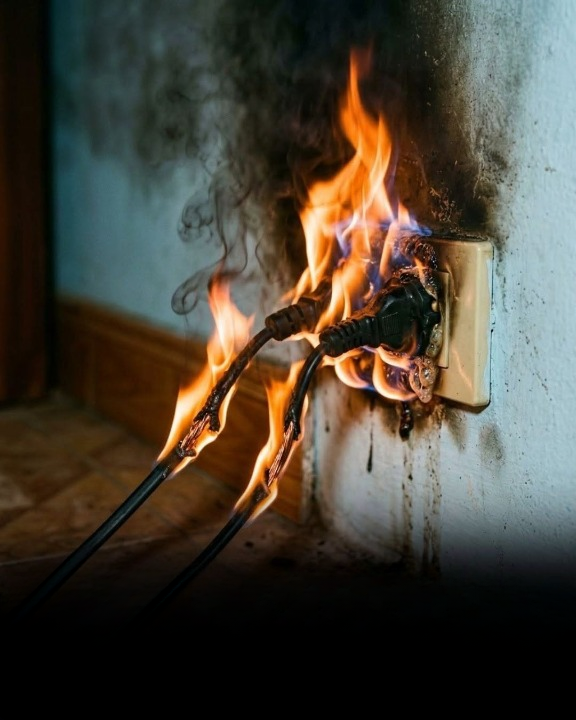
The situation begins quietly, with a detail that seems easy to overlook: the steady, invisible hum of “phantom load” or standby power. Before long, that overlooked detail raises serious questions about utility bills, energy waste, and household safety hazards. Electrical experts note that keeping certain appliances plugged in around the clock not only silently drains your wallet month after month, but it also creates legitimate fire risks from overheating components.
Understanding why your energy bill creeps upward each month requires looking past routine habits and examining the hidden mechanics of household electronics.
The First Warning: The Invisible Drain
The first warning signs of phantom energy consumption usually arrive in the form of a frustratingly high utility bill. You look at the paper statement, compare it to previous months, and wonder why your electricity costs are climbing even though your daily habits haven’t changed.
Rather than reacting immediately by slashing your usage blindly, smart homeowners start watching carefully. They compare energy statements, monitor usage patterns during vacations, and recognize a pattern that has previously been hidden by routine and trust in modern appliance design. Each new electrical fact changes the meaning of what came before.
That process requires patience. There is often social pressure to accept convenient answers—like blaming rising energy rates or general inflation—while ignoring the core issue. Yet the central concern remains: appliances that draw standby power are costing you money every single second of the day, whether you are using them or not. Ignoring this fact preserves temporary convenience, but it also allows a continuous financial leak to persist without accountability.
Searching for the Truth About Standby Power
When you begin investigating where your household electricity is actually going, ordinary details begin supporting one another, creating a sequence that can no longer be dismissed as coincidence.
Standby power occurs because modern electronics require a continuous electrical current to maintain internal clocks, remote control sensors, digital displays, and instant-on capabilities. Even when the device appears powered down, its internal transformer is actively converting electricity and generating heat.
Once this technical reality emerges, homeowners must decide how to respond. Some choose to ignore the data to avoid the minor inconvenience of unplugging cords, while others overhaul their habits. Those choices reveal how much we value efficiency versus mindless convenience.
Taking control requires a necessary decision: to identify the biggest electrical offenders in your home and establish new routines that protect both your home and your wallet.
The 5 Appliances You Should Always Unplug
To eliminate phantom loads and safeguard your home against electrical hazards, here are five common household appliances that should always be unplugged when you are finished using them.
1. Kitchen Countertop Appliances (Blenders, Toasters, and Coffee Makers)
Kitchen appliances are among the worst offenders when it comes to standby power draw and safety risks. Coffee makers with digital clocks and programmable timers, countertop blenders, and toaster ovens sit plugged into kitchen outlets twenty-four hours a day.
-
The Danger: Toasters and toaster ovens accumulate crumbs that can become fire hazards if a faulty relay switch triggers accidentally while unattended. Unplugging them immediately after use completely eliminates the risk of electrical shorts.
2. Hair Styling Tools (Straighteners, Curling Irons, and Blow Dryers)
Beauty tools like flat irons and curling wands draw significant electrical current and reach extreme temperatures in a matter of seconds.
-
The Danger: Leaving a hair straightener plugged into a bathroom outlet after use is one of the leading causes of preventable residential electrical fires. Even when turned off via their digital switches, internal circuits can malfunction. Making it a habit to unplug styling tools the second you finish using them protects your home from catastrophic disaster.
3. Phone Chargers, Laptop Bricks, and USB Power Adapters
Almost everyone is guilty of leaving phone chargers and laptop power blocks plugged into wall outlets long after the device has been disconnected.
-
The Danger: While an individual charger draws a tiny amount of standby power, multiplied across a dozen chargers throughout a home, the waste adds up. More importantly, cheap or aging charging bricks can overheat, short-circuit, or degrade, posing a silent fire risk while left unattended on carpets or nightstands.
4. Entertainment Centers (Gaming Consoles, Streaming Boxes, and TVs)
Modern televisions, soundbars, streaming sticks (like Roku or Apple TV), and video game consoles are rarely ever truly “off.” They maintain standby states to allow instant wake-up commands from remote controls or software updates.
-
The Danger: Entertainment centers account for a massive percentage of a home’s phantom energy load. Furthermore, lightning storms or power surges can easily travel through wall outlets and fry expensive gaming hardware and television panels if they aren’t plugged into heavy-duty surge protectors—or better yet, unplugged when going away on extended trips.
5. Space Heaters and Portable Fans
Climate control appliances used for localized heating or cooling draw massive amounts of electrical current.
-
The Danger: Space heaters, in particular, should never be left plugged into a wall outlet when not actively supervised. Their high wattage places immense stress on electrical wiring. Unplugging them immediately after use prevents accidental activation by children or pets and ensures total peace of mind.
Consequences and Long-Term Habits
Action brings consequences, and in this case, the consequences are entirely positive. Your utility bills drop, your home becomes significantly safer, and you develop a heightened awareness of resource management.
Life does not instantly become complicated by unplugging a few cords; rather, it becomes clearer and more intentional. The experience offers a practical lesson about attention and judgment. Important financial and safety truths often hide behind small, overlooked details. Asking careful questions and verifying how your home consumes energy prevents waste from controlling your budget.
Protect Your Home and Wallet: Unplug These 5 Appliances When You’re Done Using Them ultimately shows why knowledge creates responsibility. Once the truth about standby power is visible, the meaningful choice is to respond with intention, protect your household from fire hazards, and make decisions based on evidence. By refusing to look away from minor inefficiencies, you transform uncertainty into financial control and create the possibility of a safer, more sustainable future.