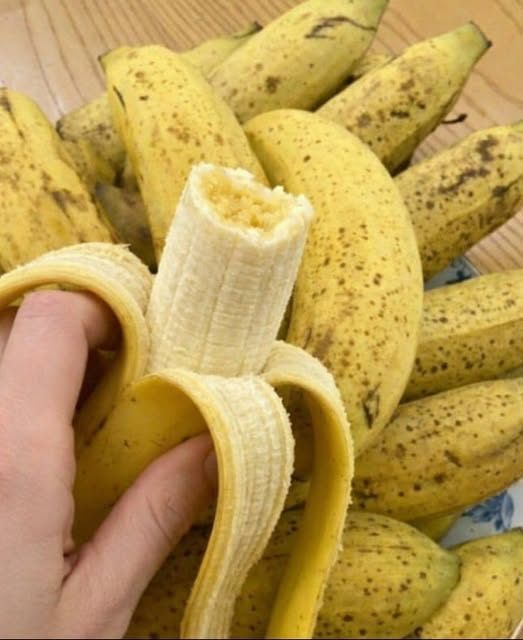
If you’re over 50 and enjoy eating a banana every day, you may have wondered whether this simple habit is actually good for you.
Bananas are one of the most common fruits in the world. They’re inexpensive, convenient, naturally sweet, and easy to add to breakfast or enjoy as a quick snack.
But as we get older, our nutritional needs can change. That naturally leads many people to ask whether foods they have eaten for years still fit into a healthy daily routine.
The good news is that there isn’t a general rule saying people over 50 should avoid bananas simply because of their age.
For most people, a banana can be part of a balanced diet.
However, individual circumstances matter. A person’s overall eating pattern, medications, activity level, and certain health conditions can affect how particular foods fit into their diet.
So what actually happens when you eat a banana regularly?
Bananas provide several useful nutrients
A medium banana provides carbohydrates, fiber, and important micronutrients, including potassium and vitamin B6.
It also contains naturally occurring sugars, which provide energy.
Because bananas are naturally portable and require no preparation, they can be especially convenient when you need a quick snack during a busy day.
Some people also prefer bananas because they are soft and relatively easy to eat compared with harder fruits.
Potassium is one reason bananas are so popular
Bananas are well known for their potassium content.
Potassium is an essential mineral involved in several normal functions in the body, including muscle and nerve function.
That doesn’t mean eating a banana automatically prevents a particular medical problem, but it can contribute to your overall intake of potassium as part of a varied diet.
It’s also worth remembering that bananas aren’t the only source of potassium.
Other foods, including potatoes, beans, lentils, leafy vegetables, dairy products, and several other fruits, can contribute potassium as well.
Fiber can also be helpful
As people get older, maintaining a diet that contains adequate fiber becomes increasingly important.
A banana contributes some dietary fiber, although the exact amount depends on its size and ripeness.
Fiber is found in many plant foods and can support normal digestive function.
Instead of relying on one particular fruit, nutrition experts generally encourage people to obtain fiber from a variety of sources, such as fruits, vegetables, whole grains, legumes, nuts, and seeds.
A banana can simply be one part of that bigger picture.
What about the natural sugar in bananas?
This is one of the most common concerns people have.
Bananas contain natural sugars, but that doesn’t make them equivalent to foods and drinks with large amounts of added sugar.
Whole fruit also contains water, fiber, vitamins, and minerals.
That said, portion size and the rest of your diet still matter.
If you have been advised by a healthcare professional to monitor your carbohydrate intake or blood glucose, you may need to consider how bananas fit into your individual eating plan.
Rather than assuming that one food is automatically good or bad, it’s better to look at the complete dietary pattern.
Does eating a banana every day cause problems after age 50?
For most healthy adults, there is no general reason to believe that eating one banana a day becomes harmful simply because someone has reached the age of 50.
However, individual medical conditions can change the answer.
For example, people with certain kidney conditions may need to carefully manage potassium intake. In those circumstances, the appropriate amount of potassium-containing foods should be discussed with a qualified healthcare professional.
The same principle applies if you have been given specific dietary instructions because of a medical condition or medication.
Your age alone doesn’t determine whether a banana is appropriate.
Your overall health and individual nutritional needs matter much more.
Ripe versus less-ripe bananas
Another interesting difference is ripeness.
As bananas ripen, their starches gradually break down and the fruit becomes sweeter and softer.
This means a very ripe banana can taste significantly sweeter than a firmer, less-ripe banana.
Some people prefer less-ripe bananas because of their firmer texture, while others enjoy the sweetness of a fully ripe fruit.
Neither choice automatically makes the fruit unhealthy.
It’s simply another example of how the characteristics of a food can change as it ripens.
When is a good time to eat a banana?
There isn’t one universally correct time.
Some people enjoy a banana with breakfast.
Others eat one as an afternoon snack.
Some combine it with yogurt, oatmeal, nuts, or another source of protein and fat to make a more filling meal or snack.
If you’re hungry between meals, pairing fruit with another nutritious food can sometimes help create a more satisfying snack.
For example, a banana with plain yogurt or a small serving of nuts provides a combination of carbohydrates, protein, and fat.
What if you are trying to manage your weight?
A banana can fit into a weight-management plan.
The important point is that weight changes are influenced by overall energy intake, activity, eating patterns, and many other factors—not by one individual fruit.
Replacing highly processed snacks with whole foods can be a useful strategy for some people.
But there’s no special rule saying that eating a banana will automatically cause weight gain or weight loss.
The amount you eat and what the rest of your diet looks like are much more relevant.
The bigger picture matters most
One of the easiest mistakes to make with nutrition is focusing too heavily on a single food.
You may see headlines claiming that one food is a miracle ingredient or that another common food is secretly harmful.
Real nutrition is usually more complicated.
A healthy eating pattern generally includes a variety of fruits and vegetables, whole grains, protein-rich foods, and appropriate sources of healthy fats.
It also takes into account personal preferences, cultural eating habits, activity levels, and individual medical needs.
So if you enjoy bananas, there’s generally no need to eliminate them solely because you’ve turned 50.
Instead, think about how they fit into your overall diet.
When should you ask a professional?
If you have kidney disease, diabetes, or another medical condition that affects your diet, or if you’re taking medication that requires dietary considerations, speak with your doctor or a registered dietitian about your individual needs.
Internet headlines cannot account for your medical history.
A food that is perfectly reasonable for one person may need to be limited by another person depending on their health circumstances.
That’s why personalized medical advice is more useful than blanket claims based solely on age.
The takeaway
Eating one banana a day isn’t automatically dangerous once you turn 50.
For many people, bananas can be a convenient source of nutrients and fiber and can easily fit into a balanced eating pattern.
The more important question isn’t simply, “Should people over 50 eat bananas?”
It’s, “How does this food fit into my individual diet and health needs?”
That’s a much better way to think about nutrition.
So the next time you see a dramatic headline suggesting that one everyday food is suddenly dangerous after a certain age, take a moment before accepting the claim.
Look for reliable evidence, consider the context, and remember that healthy eating is about the overall pattern—not one single food.
And if you already enjoy a banana as part of your daily routine, there is generally no reason to assume that turning 50 suddenly changes everything.