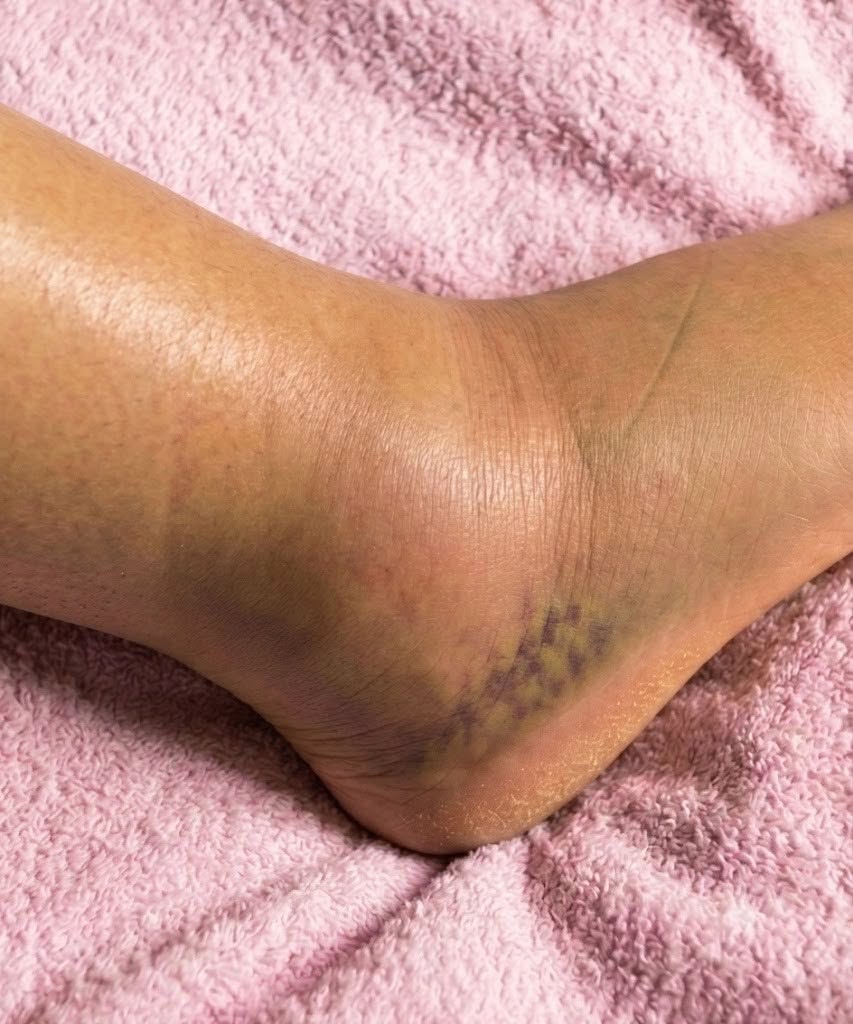
Have you ever noticed that your shoes suddenly feel tighter than usual, or that your ankles look more swollen at the end of the day?
Leg and ankle swelling is a common experience, and in many cases it can have a relatively simple explanation. Spending a long time sitting or standing, traveling, eating a particularly salty meal, or experiencing temporary fluid retention can all contribute to swelling.
However, persistent or unexplained swelling deserves attention.
Although leg swelling can sometimes occur alongside certain serious medical conditions, including problems affecting the heart, kidneys, liver, blood vessels, or lymphatic system, swollen legs alone do not mean that a person has cancer.
This distinction is important because frightening health headlines can make a common symptom sound like proof of a specific disease.
Instead, it is better to understand what swelling can mean, what other symptoms may matter, and when it is sensible to speak with a healthcare professional.
What Is Leg Swelling?
Leg swelling occurs when excess fluid accumulates in the tissues.
The medical term often used for this type of swelling is edema.
It can affect the feet, ankles, lower legs, or sometimes larger areas of the body.
Some people notice swelling more clearly in the evening.
Others may wake up with relatively normal-looking legs and notice increasing swelling throughout the day.
The appearance can vary.
The skin may look stretched or shiny, socks may leave deeper marks around the ankles, or shoes may feel unusually tight.
Sometimes pressing gently on swollen skin can leave a temporary indentation, although not all forms of swelling behave this way.
Sitting or Standing for Long Periods Can Contribute
One of the simplest explanations for swollen legs is remaining in the same position for an extended period.
When you’re sitting at a desk for hours, traveling on a long journey, or standing for much of the day, fluid can accumulate in the lower parts of the body.
Gravity plays an important role.
The veins in your legs have to work against gravity to return blood toward the heart.
Movement of the leg muscles helps support this process.
That is one reason why walking around periodically can be beneficial during long periods of sitting.
If swelling consistently appears after long periods of inactivity and improves after movement or rest, this may provide a useful clue about its cause.
A High-Sodium Diet May Affect Fluid Retention
Diet can also influence fluid balance.
Sodium is an essential mineral, but consuming large amounts can contribute to fluid retention in some people.
Processed foods, packaged meals, salty snacks, sauces, and restaurant foods can sometimes contain substantial amounts of sodium.
Reducing excessive sodium intake may be helpful for overall cardiovascular health, although dietary recommendations should be individualized.
If swelling is persistent, changing your diet alone shouldn’t be considered a substitute for medical evaluation.
Certain Medications Can Cause Swelling
Another frequently overlooked cause is medication.
Some medicines can contribute to swelling in the feet or ankles as a side effect.
The possibilities depend on the medication and the individual.
If you notice swelling after starting a new medicine or changing your dosage, don’t stop taking the medication on your own.
Instead, contact the healthcare professional who prescribed it.
They can determine whether the medicine could be contributing to the swelling and whether any adjustment is appropriate.
Heart-Related Conditions Can Sometimes Cause Swelling
The heart plays an important role in circulation.
Certain heart conditions can interfere with the body’s ability to move blood efficiently, potentially contributing to fluid accumulation.
Swelling related to heart problems may occur alongside other symptoms, such as shortness of breath, unusual tiredness, difficulty breathing when lying down, or reduced ability to perform normal activities.
These symptoms don’t automatically mean someone has heart disease.
But when swelling occurs together with breathing difficulties or other concerning changes, medical evaluation becomes particularly important.
Kidney Problems Can Affect Fluid Balance
The kidneys help regulate fluid and electrolyte levels in the body.
When kidney function is impaired, the body may have difficulty maintaining normal fluid balance.
This can contribute to swelling in the legs, ankles, feet, or other areas.
Other symptoms may occur depending on the underlying condition.
Because kidney problems can sometimes develop without obvious early symptoms, persistent unexplained swelling should not be dismissed simply because it isn’t painful.
A healthcare professional can determine whether blood or urine testing is appropriate.
Liver Conditions Can Also Be Associated With Swelling
The liver performs many essential functions, including producing proteins involved in maintaining fluid balance.
Certain liver conditions can contribute to fluid accumulation in the abdomen or lower extremities.
However, leg swelling by itself is not enough to identify a liver problem.
Other signs and laboratory findings may be needed to understand what’s happening.
This is another example of why symptoms should be considered in context rather than interpreted individually.
Problems With the Veins May Cause Leg Swelling
Veins contain valves that help blood move in the correct direction.
Over time, these valves can become less effective in some people.
This may contribute to a condition commonly known as chronic venous insufficiency.
People with this problem may experience swelling, heaviness, aching, or changes in the skin around the lower legs.
Symptoms can become more noticeable after standing for long periods.
A healthcare professional can assess circulation and determine whether additional evaluation is needed.
A Blood Clot Can Cause Sudden Swelling
One situation that deserves particular attention is sudden swelling in one leg, particularly when accompanied by pain, tenderness, warmth, or a change in skin color.
A blood clot in a deep vein, known as deep vein thrombosis, can cause these symptoms.
Not every swollen leg is caused by a blood clot, but sudden one-sided swelling should not be ignored.
A blood clot can become dangerous if part of it travels to the lungs.
If sudden leg swelling occurs together with chest pain, sudden difficulty breathing, coughing up blood, fainting, or another severe symptom, seek emergency medical attention immediately.
What About Cancer?
This is where sensational health headlines can create unnecessary fear.
Certain cancers or cancer treatments can be associated with swelling under particular circumstances.
For example, a tumor can sometimes affect normal fluid drainage, while surgery or radiation treatment involving lymph nodes can contribute to lymphedema.
However, ordinary leg swelling is not proof of cancer.
There are many more common explanations for swollen legs.
If swelling is persistent, unexplained, progressively worsening, or accompanied by other concerning symptoms, a healthcare professional can investigate the cause.
The goal is not to assume the worst.
The goal is to identify the actual reason for the swelling.
Lymphedema Can Cause Persistent Swelling
The lymphatic system helps move fluid through the body.
When lymph drainage is impaired, fluid can accumulate and cause swelling known as lymphedema.
This can happen for different reasons.
Some people develop lymphedema because of problems affecting the lymphatic system, while others develop it following certain medical treatments or procedures.
The swelling may be persistent and can sometimes involve the feet or toes.
If you notice ongoing swelling that doesn’t have an obvious explanation, medical assessment can help determine whether a lymphatic problem could be involved.
Pregnancy Can Cause Swelling
Swelling in the feet and ankles is also common during pregnancy.
Changes in hormones, circulation, and pressure within the body can contribute to fluid retention.
However, sudden or severe swelling during pregnancy, particularly when accompanied by other symptoms such as severe headache, vision changes, upper abdominal pain, or high blood pressure, requires prompt medical attention because certain pregnancy-related complications can be serious.
Pregnant individuals should follow the guidance of their healthcare team.
Injury and Inflammation Can Cause Localized Swelling
If you twist an ankle, injure your knee, or strain a muscle, swelling may develop around the affected area.
This type of swelling often has an obvious connection to an injury.
Pain, bruising, tenderness, or reduced movement may occur as well.
Rest and appropriate care may help, but significant injuries should be evaluated when necessary.
A sudden unexplained swelling without an injury has a different significance and may warrant professional assessment.
When Swelling Should Be Checked
Not every instance of swelling requires an emergency visit.
But consider speaking with a healthcare professional if:
- The swelling persists or repeatedly returns without an obvious explanation.
- One leg becomes noticeably more swollen than the other.
- The swelling gradually gets worse.
- Your legs feel unusually heavy or uncomfortable.
- You develop skin changes around the swollen area.
- You have other new or unexplained symptoms.
- The swelling begins after starting a new medication.
- You have a known heart, kidney, liver, vascular, or lymphatic condition.
A clinician can examine the affected area and determine whether further testing is appropriate.
When Emergency Care May Be Necessary
Some combinations of symptoms require urgent attention.
Seek emergency medical help if leg swelling occurs with sudden chest pain, significant difficulty breathing, fainting, severe weakness, or coughing up blood.
Likewise, sudden swelling and pain in one leg can require urgent assessment because of the possibility of a blood clot.
The exact response depends on the symptoms and circumstances.
When severe symptoms develop suddenly, don’t wait for an online article to tell you what is happening.
Pay Attention to Changes Over Time
One useful habit is to notice when the swelling occurs.
Does it appear after standing all day?
Does it improve overnight?
Does it affect both legs?
Is one side consistently worse?
Did it begin after a new medication?
Was there an injury?
Are there additional symptoms?
These details can help a healthcare professional understand the situation.
Keeping a simple record of when swelling occurs can sometimes make patterns easier to recognize.
Healthy Habits May Support Circulation
For people who have swelling related to prolonged inactivity, simple lifestyle habits may sometimes help.
Taking regular movement breaks, avoiding sitting in the same position for very long periods, and maintaining an appropriate level of physical activity can support circulation.
If you spend much of the day sitting, getting