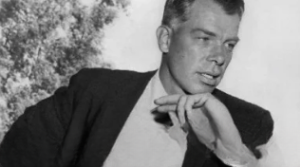
How Lee Marvin’s Unusual Singing Voice Took “Wandering Star” to No. 1 in the UK in 1970
In 1970, at a time when rock bands, pop singers, and emerging musical styles were competing for the attention of listeners, an unexpected performer achieved a remarkable musical milestone. Lee Marvin, the American actor best known for his commanding screen presence and distinctive speaking voice, found himself at the center of a chart-topping success with a song called “Wandering Star.”
Unlike many popular singers of the era, Marvin was not celebrated for having a traditionally polished singing voice. His deep, gravelly delivery sounded closer to the voice audiences recognized from his film performances than to the smooth vocals commonly associated with chart music. Yet that unusual quality became an essential part of the song’s appeal.
“Wandering Star” demonstrated that a memorable musical performance does not always depend on technical perfection. Sometimes, a distinctive voice, a strong melody, and the right connection between a performer and a song can create something that audiences remember long after its release.
Marvin’s success also illustrated the close relationship between cinema and popular music during the late 1960s and early 1970s. A performer who had already established himself on the big screen could reach listeners through a completely different medium, introducing audiences to another side of his artistic personality.
From Hollywood Actor to Unexpected Recording Star
Lee Marvin built his reputation through a long career in American film and television. Known for his rugged appearance, unmistakable voice, and intense screen presence, he frequently portrayed characters whose personalities were revealed through their actions rather than lengthy speeches.
His film career included a wide range of roles, from hard-edged characters in crime dramas and Westerns to performances that demonstrated his ability to handle comedy and unconventional material.
By the time “Wandering Star” attracted widespread attention, Marvin was already a familiar name to moviegoers. His established screen identity helped make his musical appearance particularly interesting to the public.
Audiences did not encounter him as an unknown singer trying to establish a career. They encountered a recognizable actor doing something different from what they expected.
That contrast was part of the story.
In popular entertainment, expectations often influence how people respond to a performance. A professionally trained vocalist may be judged on pitch, range, phrasing, and vocal control. An actor who sings a song, however, can bring a different set of qualities to the recording.
Marvin’s voice carried the weight and roughness that audiences associated with his screen characters. Rather than attempting to imitate a conventional pop singer, he delivered the song in a manner that suited his established persona.
The result was a performance that stood apart from many recordings competing for listeners’ attention at the time.
The Story Behind “Wandering Star”
“Wandering Star” was associated with the 1969 musical Western film Paint Your Wagon, in which Marvin played Ben Rumson. The film combined Western storytelling with musical numbers, bringing together the familiar elements of frontier life and the theatrical traditions of the movie musical.
The production featured an ensemble cast that included actors who were not primarily known as recording artists. This helped give the soundtrack a different character from albums built around established singers.
Marvin’s performance of “Wandering Star” became one of the best-known musical moments connected with the film.
The song’s lyrics and melody reflected the restless spirit of a character whose life was shaped by movement, independence, and an unconventional relationship with the world around him. Its themes fit naturally within the Western setting, where characters often travel through uncertain landscapes and resist the idea of settling permanently in one place.
The musical arrangement supported that atmosphere. Rather than relying entirely on elaborate vocal ornamentation, the performance allowed the melody and the singer’s distinctive delivery to carry the central idea.
Marvin’s voice sounded weathered and restrained, creating a contrast with the polished performances listeners might have expected from professional vocalists.
That contrast was not necessarily a weakness. In the context of the film, it helped connect the song to the character and the story.
A musical performance can be effective for several reasons. Technical skill matters, but so do interpretation, emotional atmosphere, character, and the relationship between a song and its setting.
“Wandering Star” brought those elements together in a way that made the recording distinctive.
Why His Voice Sounded Different
One of the most frequently discussed aspects of Marvin’s recording is the rough quality of his voice.
He did not possess the smooth, expansive vocal style associated with many traditional pop singers. His delivery was low, measured, and gravelly, with a conversational quality that made the song sound as though it belonged to the character rather than to a conventional stage performer.
That approach gave the recording an individual identity.
Listeners could recognize Marvin’s voice because it was already familiar from his acting career. His vocal tone had become part of the personality he projected on screen, and hearing it in a musical setting created a connection between his film roles and the song.
There is an important distinction between singing a song simply to demonstrate vocal ability and singing it to communicate a character’s personality.
In a musical film, the second approach can be especially effective. A character’s voice does not necessarily need to sound like that of a trained vocalist. It needs to feel appropriate to the story.
Marvin’s performance reflected that principle.
His restrained delivery gave the song a sense of weariness and independence, qualities that suited the film’s setting and the character he portrayed.
The recording also offered a contrast to the changing sound of popular music in the late 1960s. The period included a wide variety of styles, from energetic rock and psychedelic music to folk-inspired songwriting, traditional pop, and country-influenced recordings.
There was no single sound that defined every successful record.
Instead, audiences responded to different combinations of melody, personality, production, and cultural context. Marvin’s recording offered a reminder that an unconventional vocal performance could find an audience alongside recordings by established singers and groups.
Its appeal did not depend on Marvin becoming a different kind of performer. Much of its character came from the qualities that already made him recognizable.
The UK Chart Achievement
The most remarkable part of the story was the recording’s performance in the United Kingdom.
“Wandering Star” reached No. 1 on the UK Singles Chart in 1970, an achievement that attracted attention because Marvin was widely known as an actor rather than as a professional singer.
The chart success gave the recording a life beyond the film that introduced it. A song created for a cinematic story became a popular record in its own right, reaching listeners who may have approached it primarily as a piece of entertainment rather than as part of a movie soundtrack.
The achievement also demonstrated the influence that film releases could have on the music market.
When a film attracted public interest, its soundtrack could benefit from the visibility of its stars, the promotion surrounding the production, and the emotional associations viewers developed with particular scenes or songs.
A memorable musical moment could encourage people to seek out a recording after watching the film. Radio play and record sales could then introduce the song to audiences who had not yet seen the production.
In Marvin’s case, his existing celebrity provided an additional connection between the movie and the record.
People recognized the performer, knew his screen persona, and were curious to hear him sing.
The combination of familiarity and novelty helped distinguish the release from the many other singles available at the time.
Its chart position remains the central historical detail behind the story: an actor with a famously rough voice had achieved a level of commercial success that many listeners would not have predicted from his professional background alone.
A Different Kind of Musical Success
Marvin’s chart achievement invites a broader question about what makes a song successful.
Popular music is often discussed in terms of vocal technique, instrumental arrangements, songwriting, and production. Those elements are important, but commercial success rarely depends on one quality alone.
Recognition can play a role. So can timing, publicity, a song’s connection to a popular film, and the degree to which a performance stands out from other releases.
An unusual voice may also become an advantage when it gives a recording a recognizable character.
Marvin’s singing was not an attempt to compete directly with vocalists known for their technical range. His performance offered something different: a familiar screen personality expressing a song in a style that suited both the character and the setting.
For listeners, that difference could be part of the attraction.
The song also benefited from the way audiences experienced entertainment during the period. Films, radio, television appearances, and record releases often reinforced one another. A performer could become familiar through one medium and then attract attention by appearing in another.
This crossover between acting and music was not unique to Marvin, but his recording provided an especially memorable example.
His achievement showed that a performer did not necessarily need to follow the conventional path to recording success. An established identity, a suitable song, and a receptive audience could combine to produce an unexpected result.
The Relationship Between Film and Music
The late 1960s and early 1970s were an important period for musical experimentation in cinema.
Filmmakers continued to explore ways of incorporating songs into stories, while recording companies used movie soundtracks to reach audiences beyond the theater. Musical films could introduce songs that later became popular through radio broadcasts and record purchases.
Paint Your Wagon belonged to this tradition.
Its Western setting provided an opportunity to combine familiar frontier imagery with theatrical songs and performances. The film’s cast brought different acting styles and personalities to the musical material, producing a soundtrack that did not depend solely on conventional pop-star performances.
Marvin’s contribution stood out because his singing voice was so closely connected to his identity as an actor.
Rather than separating the song entirely from the character, his delivery reinforced the impression that Ben Rumson was expressing himself through music.
That connection between performer, character, and song is an important part of musical storytelling.
When a song emerges naturally from a character’s personality, it can feel different from a recording designed primarily to showcase vocal ability. The performance becomes part of the storytelling itself.
This does not mean every unconventional performance will succeed commercially. Many factors influence whether a recording reaches a wide audience.
However, Marvin’s experience illustrates how the right combination of character, material, and exposure can help an unusual performance find its place in popular culture.
Lee Marvin’s Wider Career
Although “Wandering Star” remains a notable part of his musical legacy, Marvin’s reputation was built primarily on acting.
Born in New York City in 1924, he served in the United States Marine Corps during the Second World War before pursuing a career in entertainment. His experiences and later work helped shape the rugged public image for which he became known.
He appeared in numerous films across several decades, developing a screen presence that was difficult to confuse with that of other actors.
His performances often relied on economical dialogue, expressive pauses, and a distinctive vocal tone. He could communicate a character’s temperament with relatively little explanation, allowing physical presence and delivery to carry much of the performance.
Marvin’s career also demonstrated his versatility. While audiences frequently associated him with tough or intimidating characters, he was capable of taking on roles that used humor and unconventional storytelling to different effect.
His performance in Paint Your Wagon represented another departure from the expectations attached to his screen image.
The musical format required him to participate in a production where songs were part of the narrative rather than merely background elements. That created an opportunity for audiences to encounter a different aspect of his performing style.
The success of “Wandering Star” added an unusual chapter to a career already marked by memorable roles.
It also reinforced the ide