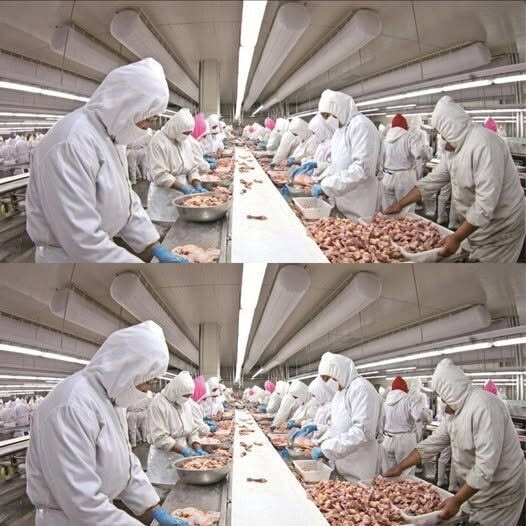
With international food production becoming increasingly common, products sold in supermarkets can come from many different countries. China is one of the world’s major food producers and exporters, supplying ingredients and finished products to markets around the globe.
That doesn’t mean that food made in China is automatically unsafe—or that consumers should avoid every product from a particular country.
Food safety depends on many factors, including the specific product, manufacturer, processing methods, storage conditions, labeling, inspections, and whether the product meets the regulations of the country where it is sold.
Still, there are certain categories of imported foods and food products that consumers may want to examine more carefully.
Rather than creating a list of foods that people should automatically stop eating, here are eight categories where checking the label, manufacturer, ingredients, and applicable safety information can be especially useful.
1. Processed Seafood Products
Seafood can travel long distances before reaching your local supermarket.
Frozen fish, shrimp, squid, and other seafood products may be processed in one country and caught or farmed somewhere else. That can make the label worth reading carefully.
Check where the seafood was harvested or raised, where it was processed, and whether the package provides clear information about the product’s origin.
If you’re buying frozen seafood, also check that the package is intact and that the product has remained properly frozen.
2. Imported Dried Mushrooms
Dried mushrooms are popular ingredients in many cuisines and can have an exceptionally long shelf life when stored correctly.
However, dried foods should always be purchased from reputable sellers and inspected for damaged packaging, unusual odors, moisture, or visible contamination.
Read the ingredient list and country-of-origin information carefully.
If a package does not provide the information you would normally expect from a food product, choosing another product with clearer labeling may be sensible.
3. Tea and Herbal Products
Tea leaves and dried herbal ingredients are often imported from different parts of the world.
When purchasing imported tea or herbal products, look for a clearly identified manufacturer or importer, a complete ingredient list, and appropriate packaging.
It’s also important to remember that “natural” does not automatically mean that a product is risk-free.
Some herbal products can interact with medications or may not be appropriate for everyone.
4. Packaged Sauces and Condiments
Soy sauce, chili sauces, cooking sauces, and other condiments can contain several ingredients, including salt, sugar, preservatives, flavorings, and food colorings.
Instead of judging a sauce by the country where it was manufactured, look at the actual label.
Compare sodium levels, added sugars, ingredients, serving sizes, and allergen information.
A product with a long ingredient list isn’t automatically dangerous either. The important question is whether the ingredients are permitted and whether the product is properly manufactured and labeled.
5. Canned and Preserved Foods
Canned foods can be convenient and have a long shelf life, but consumers should always inspect the container before opening it.
Avoid cans that are severely dented, leaking, bulging, rusted around the seams, or otherwise damaged.
These precautions apply regardless of whether the product was manufactured domestically or imported.
Also check the expiration or best-before information and follow storage instructions after opening.
6. Dried Fruits and Snacks
Dried fruit can be a convenient snack, but some products contain added sugar, oils, preservatives, or other ingredients that may not be obvious from the front of the package.
Check the nutrition panel and ingredient list rather than relying on marketing language such as “natural” or “healthy.”
Portion size matters too. Dried fruit is more concentrated than fresh fruit, so it can be easy to eat more than intended.
7. Frozen Fruit and Vegetables
Frozen produce can be a nutritious and convenient choice.
When buying imported frozen vegetables or fruit, check that the package remains properly sealed and frozen and that there are no obvious signs of thawing and refreezing.
Look at the ingredient list as well. Some frozen vegetable products contain added sauces, salt, or other ingredients.
Plain frozen fruits and vegetables can make it easier to know exactly what you’re buying.
8. Specialty Food Products With Unclear Labels
Perhaps the most important category isn’t a specific food at all.
It’s any food product whose label is difficult to understand or doesn’t provide sufficient information.
Consumers should generally be able to identify important details such as the product name, ingredients, allergens where required, manufacturer or responsible business, country-of-origin information where required, and relevant dates or storage instructions.
If a package appears damaged, has an unusual smell or appearance, or provides incomplete information, choosing a different product is a straightforward precaution.
Don’t Judge Food Safety by Country Alone
It’s easy for online headlines to turn food safety into a simple question of which country produced the food.
The reality is more complicated.
China produces an enormous variety of foods, just as countries such as the United States, Canada, Australia, Italy, Japan, and many others produce a huge range of food products.
There can be excellent products and poorly made products in almost any large food-producing market.
The manufacturer, production process, regulatory oversight, handling, transportation, storage, and final retailer can all matter.
That’s why a blanket statement such as “never eat food from this country” isn’t a reliable way to evaluate food safety.
A better approach is to become a careful label reader.
What Should You Look For on a Food Label?
Before purchasing an unfamiliar imported food, take a few seconds to check:
-
The ingredient list.
-
Allergen information.
-
Nutrition information.
-
Country-of-origin information where required.
-
Manufacturer or importer details.
-
Expiration or best-before information.
-
Storage instructions.
-
The condition of the packaging.
-
Any applicable safety or recall information.
If something doesn’t look right, you don’t have to take a chance simply because the product is inexpensive or familiar.
There are usually alternatives available.
What About Food Recalls?
Food recalls are another reason not to rely entirely on viral social-media lists.
A product can be recalled for many different reasons, including undeclared allergens, contamination, labeling problems, manufacturing issues, or other concerns.
Recall information is much more useful than a generalized claim about an entire country.
If you’re concerned about a particular product, search for its exact brand and product name through the official food-safety authority in your country.
That gives you information about a specific product rather than an internet rumor.
The Bottom Line
Imported food isn’t automatically unsafe, and food produced domestically isn’t automatically perfect.
Instead of asking, “Which country’s food should I never eat?” a more useful question is:
“What do I know about this particular product?”
Read the label. Check the packaging. Look for clear manufacturer information. Follow storage instructions. Pay attention to recalls and official food-safety notices.
Most importantly, don’t let a dramatic headline make the decision for you.
Food safety is about evidence, proper handling, responsible manufacturing, and informed choices—not simply the name of a country printed on a package.
Have you ever checked the country of origin before buying an unfamiliar food product? What information do you look for first? 🛒