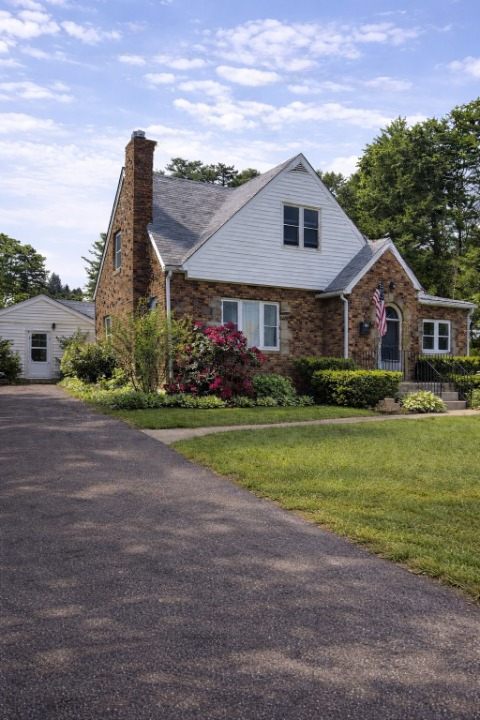
Classic Brick Home in Sidney, New York: Exploring Its Character, Space, and Renovation Potential
A traditional brick home can offer a distinctive combination of architectural character, practical living space, and opportunities for personalization. In Sidney, New York, properties with these qualities may appeal to buyers who appreciate established neighborhoods and prefer a home they can gradually adapt to their own needs.
For first-time buyers, an older house can provide an alternative to newly constructed properties. For experienced homeowners, it may offer the opportunity to update a familiar architectural style while preserving details that give the building its identity. Buyers interested in real estate projects may also see potential in a property that could benefit from carefully planned improvements.
However, every home must be evaluated according to its actual condition, location, purchase price, and maintenance requirements. Traditional brick construction can provide durability, but it does not eliminate the need for inspections or guarantee that a property will be inexpensive to maintain.
A thoughtful approach allows prospective buyers to look beyond the exterior appearance and consider what a home could realistically offer over time.
The Appeal of Traditional Brick Architecture
Brick homes have remained popular across many parts of the United States because of their recognizable appearance and association with traditional residential architecture. Depending on the age and design of a building, brick exteriors may feature simple lines, symmetrical windows, decorative trim, or other details that contribute to the home’s character.
Unlike some modern properties designed around uniform finishes, older houses can have individual features that reflect the period in which they were built. These characteristics may appeal to buyers who want a home with a distinct appearance rather than a completely standardized interior and exterior.
Brick can also provide useful performance characteristics when properly constructed and maintained. It is generally durable and resistant to many forms of ordinary exterior wear. Nevertheless, the performance of a brick wall depends on the complete building system, including the mortar, drainage details, roof overhangs, foundation, and any materials behind the exterior surface.
Buyers should not assume that visible brick automatically indicates a building is structurally sound. Cracked masonry, deteriorated mortar, moisture penetration, and movement around windows or doors may require professional evaluation.
When the exterior is in good condition, however, traditional brickwork can provide an attractive foundation for a home that combines established architecture with updated living spaces.
Why Sidney, New York, May Interest Homebuyers
Sidney is a community in Delaware County, in upstate New York. Buyers considering a property in the area may be interested in its small-community setting and the opportunity to explore housing options outside larger metropolitan markets.
The suitability of any location depends on an individual’s circumstances. Some buyers prioritize a quieter residential environment, while others need convenient access to employment, schools, shopping, healthcare, and transportation.
Before purchasing a home in Sidney, prospective residents should investigate the specific neighborhood and consider how it fits their everyday routines. Driving distances, public transportation availability, winter weather, local services, and employment opportunities may all influence the experience of living in the area.
It is also useful to compare properties in the surrounding market rather than evaluating a house in isolation. Asking prices, recent comparable sales, property taxes, and local housing conditions can help establish whether a particular property represents reasonable value.
A home that appears affordable compared with properties in a larger city may still involve expenses that are important to understand. Heating costs, maintenance, insurance, taxes, and transportation can affect the total cost of living.
For that reason, buyers should research both the house and the community before making a decision.
Space and Flexibility for Different Lifestyles
One advantage that attracts buyers to traditional homes is the possibility of having a layout that can support different household needs. Depending on the property’s actual floor plan, rooms may be adaptable for sleeping, working, studying, entertaining, or storing household items.
A spare room, for example, could serve as a home office for someone who works remotely. A separate dining area may be useful for family meals or gatherings. A larger living room could accommodate different furniture arrangements, while an additional storage area may help keep frequently used spaces organized.
These possibilities depend on the house’s existing layout and condition. Buyers should verify the number and dimensions of rooms, usable floor area, ceiling heights, natural light, and access between spaces rather than assuming that a listing description tells the whole story.
It is also important to determine whether all areas advertised as living space meet applicable requirements. Basements, attics, enclosed porches, and converted garages may have limitations related to ceiling height, emergency exits, ventilation, insulation, or permits.
If additional rooms or converted spaces are important to the purchase decision, the buyer should confirm their status with the appropriate local authorities or a qualified professional.
A flexible layout can be valuable, but only when the space is practical, safe, and suitable for the intended use.
Understanding the Condition of an Older Home
The appeal of an older brick house often lies in its combination of character and potential. Yet a property’s age also makes a careful condition assessment particularly important.
Some older homes have received regular maintenance and selective upgrades over the years. Others may contain systems or materials that have reached the point where repairs or replacement are necessary.
The exterior alone cannot reveal the full condition of the building. A house may look attractive from the street while needing work on its roof, plumbing, heating system, electrical wiring, or foundation.
A professional home inspection can help identify visible problems and determine whether further specialist assessments are advisable.
Important areas to examine include:
- Roof and gutters: Look for signs of deterioration, leaks, damaged flashing, and drainage problems.
- Foundation and structure: Ask a qualified inspector to assess significant cracks, uneven floors, visible movement, or other indications of possible structural concerns.
- Brickwork and mortar: Check for deteriorated joints, loose masonry, moisture-related damage, and areas that may require repointing.
- Plumbing: Evaluate the visible condition of pipes, drainage, water pressure, and fixtures.
- Electrical systems: Have concerns about wiring, panels, outlets, or older installations assessed by an appropriately qualified electrician.
- Heating and ventilation: Determine the age, condition, and operating costs of the installed equipment.
- Windows and doors: Check their operation, seals, and general condition.
- Interior surfaces: Look for signs of moisture, recurring stains, unusual odors, or damage that could indicate a problem behind the visible finish.
An inspection cannot guarantee that every hidden defect will be discovered, but it can provide a clearer basis for deciding whether to proceed, request additional information, negotiate, or reconsider the purchase.
Brick Maintenance and Exterior Care
Although brick is often associated with durability, it still requires appropriate maintenance. The condition of the mortar joints is particularly important because they help keep the masonry assembly functioning as intended.
Over time, mortar may deteriorate because of weather exposure, moisture, movement, or unsuitable previous repairs. When this happens, professional repointing may be needed to restore the joints.
The correct repair method depends on the original masonry and the condition of the building. Using an incompatible mortar can create additional problems, particularly in older brickwork. Buyers should therefore avoid assuming that any standard masonry product will be suitable.
Water management is another important consideration. Gutters and downspouts should direct rainwater away from the building, while grading should generally prevent water from collecting near the foundation. Damaged flashing, poorly sealed openings, or blocked drainage routes can contribute to moisture entering the structure.
Brick walls should also be evaluated for cracks and unusual patterns of deterioration. Minor surface issues may have straightforward explanations, but larger cracks or signs of movement warrant professional assessment.
Routine maintenance can help preserve a brick home’s appearance and performance. The cost and frequency of that maintenance depend on the building’s age, construction details, local climate, and previous care.
Renovation Possibilities Without Losing Character
A traditional house can often be updated without removing the features that make it distinctive. Buyers who appreciate older architecture may choose to combine modern conveniences with original details that remain in good condition.
Interior improvements might include repainting walls, updating light fixtures, improving storage, replacing worn flooring, or refreshing a kitchen or bathroom. These projects can change the appearance and usability of a home without necessarily requiring extensive structural work.
A more substantial renovation could involve updating heating equipment, improving insulation, replacing windows, or reorganizing certain rooms. Such work should be planned carefully because changes to an older building may affect ventilation, moisture management, structural elements, and energy performance.
Before beginning any project, homeowners should distinguish between cosmetic preferences and essential repairs. A new color scheme may make a room feel more inviting, but it should not take priority over a leaking roof or an unsafe electrical system.
It is also wise to establish a realistic renovation budget and obtain written estimates for significant work. Costs can vary according to materials, labor availability, the size of the project, and the condition of the building.
If the property is in a historic district or subject to local preservation requirements, certain exterior changes may require additional approval. Buyers should investigate relevant restrictions before assuming they can alter the facade, windows, porch, or other architectural features.
A successful renovation does not necessarily require a complete transformation. In some cases, carefully chosen updates can improve comfort while allowing the original character to remain visible.
Planning a Realistic Renovation Budget
The purchase price is only one part of the cost of owning a property that needs work. Buyers should calculate the expected cost of repairs, planned upgrades, transaction expenses, moving, and ongoing maintenance.
A useful first step is to divide possible projects into three categories: immediate necessities, near-term improvements, and optional cosmetic changes.
Immediate necessities include repairs required to address safety concerns, prevent ongoing damage, or make essential systems function properly. Near-term projects might involve replacing aging equipment or improving insulation. Optional work could include decorative finishes or changes that would be convenient but are not essential.
This order of priorities helps buyers allocate available funds more carefully.
For instance, a property with dated cabinets and worn paint may be manageable if its major systems are in good condition. A similar-looking property could require a much larger investment if the roof, foundation, plumbing, and heating equipment also need attention.
Buyers should obtain professional estimates for significant repairs rather than relying solely on broad online cost ranges. Local labor rates and the specific condition of the building can make a substantial difference.
It is also prudent to keep an emergency reserve. Renovation projects sometimes reveal hidden problems after work begins, and unexpected expenses can place pressure on a household that has spent nearly all its available money on the purchase.
A budget that accounts for uncertainty is more useful than one based on the assumption that every project will proceed exactly as planned.
Is the Property Suitable for a First-Time Buyer?
A traditional brick home may appeal to a first-time buyer who wants to build long-term housing stability while staying within a defined budget. However, the right choice depends on the buyer’s finances, experience, and willingness to manage maintenance.
Some first-time homeowners prefer a property that needs only minor cosmetic updates. Others are comfortable coordinating contractors and completing improvements over several years.
Neither approach is automatically better. The important consideration is whether the expected responsibilities fit the buyer’s resources and lifestyle.
A person with a demanding job or limited savings may find extensive renovation work difficult to manage. Someone with practical experience, flexible time, and a separate repair fund may be better prepared to take on a more involved project.
First-time buyers should also consider the difference between qualifying for a mortgage and comfortably affording the property. A lender’s approval does not eliminate the need to budget for utilities, insurance, taxes, maintenance, and other living expenses.
Before making an offer, buyers should understand the proposed loan terms, required down payment, closing costs, and any conditions related to the property’s state of repair.
A careful assessment can help ensure that the home remains manageable after the initial excitement of the purchase has passed.
Could an Older Brick House Interest an Investor?
Buyers considering a property as an investment need to evaluate it differently from someone purch