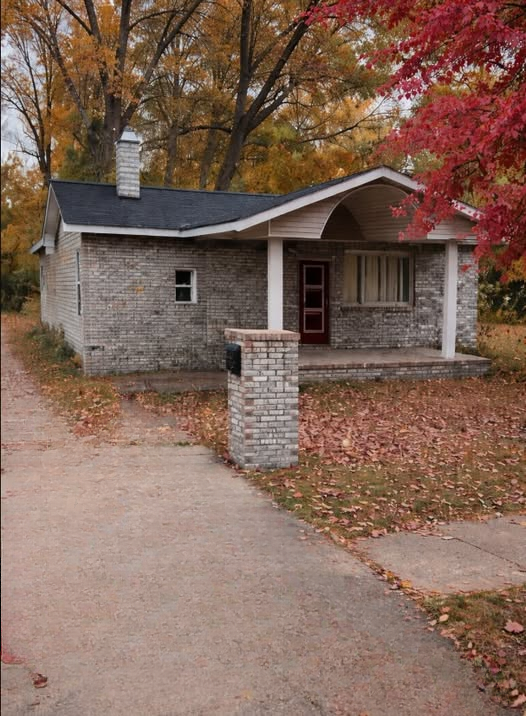
A Budget-Friendly Home With Room to Grow: What Buyers Should Consider Before Making an Offer
Finding an affordable home has become a challenge for many people looking to enter the property market. In communities across the country, rising property values, construction expenses, and limited housing inventory have encouraged buyers to consider alternatives they might once have overlooked. Instead of focusing exclusively on newly built houses or fully renovated properties, some buyers are exploring older homes, modest houses, and properties that offer opportunities for gradual improvement.
For people working with a limited budget, a home that needs some attention may provide an opportunity to enter the market without paying the premium associated with a recently renovated property. However, purchasing a house that requires work involves more than comparing the asking price with the prices of nearby homes. Buyers must also consider the property’s condition, the likely cost of repairs, the surrounding neighborhood, and their plans for the future.
A property that appears affordable at first glance may become expensive if it requires major structural work or extensive repairs. On the other hand, a well-maintained home with dated finishes may offer considerable potential for someone willing to make improvements over time.
Understanding the difference between these situations is an important part of making a sound property decision.
Why Buyers Are Looking Beyond Newly Renovated Homes
Renovated homes often appeal to buyers because they offer modern kitchens, updated bathrooms, fresh paint, and finishes that require little immediate attention. These features can make moving easier, particularly for households that do not have the time, money, or experience to manage renovation projects.
However, the convenience of a move-in-ready property can come with a higher purchase price. Sellers generally consider the cost of improvements when setting their asking prices, although the amount recovered through a sale depends on local market conditions and the quality of the work.
For buyers who cannot comfortably afford these higher prices, an older property may provide a more realistic starting point.
Some houses have solid foundations, functional layouts, and useful living spaces but still contain outdated flooring, older cabinets, worn paint, or fixtures that no longer match modern preferences. These cosmetic issues can affect a home’s appearance without necessarily making it unsuitable for living.
A buyer may be able to improve such a property gradually, completing manageable projects as time and finances allow. This approach can spread renovation expenses over several months or years rather than requiring a large amount of money before moving in.
Nevertheless, buyers should avoid assuming that every inexpensive property represents good value. The reason for a lower asking price matters. A house may be less expensive because it needs cosmetic updates, but it may also have drainage problems, aging electrical systems, roof damage, or other costly defects.
The goal is not simply to find the cheapest property available. It is to identify a home whose purchase price, condition, and future expenses fit within a realistic budget.
Understanding the True Cost of Buying a Home
The advertised price is only one part of the financial commitment involved in purchasing a property. Buyers must also account for transaction costs, inspections, insurance where applicable, moving expenses, maintenance, and potential repairs.
These additional expenses can significantly affect the amount of money available after closing.
Before making an offer, prospective homeowners should prepare a complete budget that includes both the initial purchase and the cost of making the property comfortable and functional.
For example, a house that costs less than a comparable renovated home might need new flooring and updated lighting. If those are the only significant projects, the lower purchase price may provide useful flexibility. If the same house also needs a new roof, plumbing repairs, and extensive electrical work, the financial picture could be very different.
Buyers should obtain professional estimates whenever possible rather than relying entirely on visual impressions or rough guesses.
It is also sensible to maintain a reserve for unexpected expenses. Renovation projects sometimes reveal additional problems once walls, floors, or fixtures are removed. Even a carefully planned project can become more expensive than originally expected.
A financial cushion can help prevent ordinary repair work from becoming a source of unnecessary pressure.
Cosmetic Improvements Versus Major Repairs
One of the most important distinctions when evaluating an older home is the difference between cosmetic updates and essential repairs.
Cosmetic improvements primarily affect the appearance or convenience of a property. Examples include repainting walls, replacing cabinet handles, updating light fixtures, installing new curtains, and refreshing landscaping.
These projects can often be completed in stages. Some are also suitable for homeowners who have the necessary skills and can follow appropriate safety precautions.
Major repairs are different because they may affect the building’s structure, safety, or ability to protect occupants from weather and moisture.
Examples can include foundation movement, significant roof deterioration, persistent water intrusion, unsafe wiring, damaged plumbing, and problems with heating or cooling equipment.
Such issues may require licensed contractors, specialist inspections, permits, or substantial financial investment. They should not be treated as simple weekend projects.
A property with dated decoration but sound essential systems may be a more manageable purchase than one with attractive finishes and serious underlying defects.
This is one reason buyers should look beyond photographs and staged interiors. Fresh paint and new cabinets can improve a home’s presentation, but they do not necessarily reveal the condition of its structure or mechanical systems.
The Importance of a Professional Home Inspection
A professional inspection can help buyers understand a property’s condition before completing a purchase. Although an inspection cannot guarantee that every hidden issue will be discovered, it can identify visible concerns and recommend further evaluation when necessary.
Depending on the property and local requirements, an inspection may cover the roof, foundation, exterior, visible plumbing, electrical components, heating and cooling systems, ventilation, windows, and other accessible areas.
The resulting report can help buyers prioritize repairs and estimate the amount of work that may be required.
If an inspector identifies a possible structural issue, for example, the buyer may need an additional assessment from a qualified structural professional. Suspected electrical problems may require evaluation by a licensed electrician. Persistent moisture concerns may call for a specialist who can determine the source and extent of the problem.
These follow-up evaluations can provide a clearer picture of the potential cost of ownership.
Buyers should also review any available information about previous renovations, permits, warranties, roof replacement, and major system upgrades. Records are not always complete, but they can help establish what work has already been performed.
Where appropriate, a purchase agreement may include an inspection contingency or other protections. The availability and wording of these provisions depend on local law and the terms negotiated between the parties, so buyers should seek advice from a qualified real estate professional or legal adviser.
The purpose of due diligence is not to find a perfect home. It is to make an informed decision about the home’s condition, likely expenses, and suitability for the buyer’s circumstances.
Planning Renovations in Manageable Stages
For buyers who choose a property that needs improvement, a phased renovation plan can help control spending.
Rather than attempting to modernize every room immediately, homeowners can separate projects according to urgency, cost, and practical value.
The first priority should generally be essential safety and maintenance issues. Problems involving water intrusion, damaged structural components, unsafe electrical systems, or malfunctioning essential equipment deserve attention before decorative improvements.
Once essential concerns have been addressed, homeowners can consider projects that improve comfort and everyday use.
For example, replacing worn flooring in a frequently used room may make a meaningful difference to daily life. Improving storage in a small kitchen may help the household use the available space more efficiently. Repairing windows or addressing drafts may also improve comfort, depending on the home’s condition and climate.
Decorative projects can usually wait until the household has a clearer understanding of its finances and priorities.
A written renovation plan is useful because it allows homeowners to compare estimated costs, identify dependencies between projects, and decide which improvements are most important.
It can also prevent spending too much on one area while leaving insufficient money for essential repairs elsewhere.
Homeowners should remember that the cheapest solution is not always the most economical over time. A low-cost material may need to be replaced sooner, while a properly completed repair may provide better long-term performance. The right choice depends on the specific project, the property’s expected lifespan, and the available budget.
How an Older Home Can Offer Flexibility
Older homes sometimes provide features that are difficult to find within the same price range in newer developments. Depending on the location and property, these features may include larger yards, mature trees, established streets, separate dining rooms, basements, garages, or layouts that can be adapted to different household needs.
Not every older home offers these advantages, and the condition of the property remains important. Still, buyers who look beyond the newest listings may discover options that better match their practical requirements.
A house with an additional room, for instance, may allow a family to create a home office, guest room, study area, or hobby space. A property with a usable basement might offer additional storage or other potential uses, subject to moisture conditions, building regulations, and any necessary improvements.
A garden can provide space for outdoor activities, while a garage or shed may help with storage.
These features should be evaluated according to how the household intends to use them. Extra square footage is not automatically valuable if the space is difficult to access, expensive to maintain, or unsuitable for the intended purpose.
Buyers should also distinguish between existing usable space and future possibilities. Converting a basement, finishing an attic, adding a room, or changing a layout may require permits, structural work, additional insulation, or upgraded utilities.
Before assigning value to a possible future project, buyers should confirm that it is practical and permitted.
Location Still Matters
A home’s price and condition are important, but the surrounding area can influence daily life just as much.
Buyers should consider commute times, access to public transportation, schools where relevant, grocery stores, healthcare facilities, parks, and other services they regularly use. They should also think about traffic, noise, parking, and the general character of the neighborhood.
A less expensive property may not represent a good fit if it creates significantly higher transportation costs or makes everyday activities inconvenient.
Conversely, a modest home in an established neighborhood may suit a household well if it provides practical access to work, family, and essential services.
It is useful to visit the area at different times of day when possible. Traffic patterns, street activity, parking availability, and noise levels can vary considerably between morning, afternoon, and evening.
Buyers should also research factors that could affect future ownership, such as local development plans, property taxes, zoning restrictions, flood exposure, or other location-specific concerns.
The availability of reliable information varies by jurisdiction. Local government offices, planning departments, property records, and qualified real estate professionals may help buyers investigate these matters.
A careful review of the neighborhood can prevent the purchase decision from being based solely on the house itself.
Estimating Whether a Renovation Makes Financial Sense
Before purchasing a home that requires work, buyers should compare the expected total cost with the cost of suitable alternatives.
The calculation should include the purchase price, transaction expenses, immediate repairs, planned renovations, and a reasonable allowance for unexpected costs.
It can also be helpful to compare the property with similar homes in the area. Asking prices provide one reference point, but completed sales of comparable properties may offer a more useful indication of market conditions when reliable data is available.
Buyers should be cautious about assuming that every renovation will increase a home’s value by the amount spent. The financial return from improvements varies by market, project quality, buyer preferences, and the property’s starting condition.
A renovated kitchen may make a home more appealing, but the cost of a complete kitchen replacement may not be fully reflected in the eventual sale price. Similarly, adding a room may be expensive and may not be permitted under local rules.
For homeowners planning to remain in the property for many years, the benefits of an improvement may include comfort, convenience, and better use of space rather than an immediate financial return.
For buyers who may need to sell within a short period, resale considerations can become more important.
The most useful question is whether the home remains affordable and suitable after all reasonably foreseeable expenses are included.
Avoiding Common Mistakes When Buying a Fixer-Upper
Buying a property that needs work can offer opportunities, but several common mistakes can make the process more difficult.
One mistake is underestimating repair costs. Buyers may see a room that needs paint or flooring and overlook less visible concerns. A professional inspection and written contractor estimates can help reduce this risk.
Another mistake is using every available dollar for the purchase. Homeownership involves continuing expenses, including maintenance, utilities, insurance where applicable, taxes, and possible association fees. Keeping some savings available after closing is important.
Buyers may also overestimate their ability to complete renovation work themselves. Some projects require specialist knowledge, tools, permits, or substantial time. Even when a homeowner can perform certain tasks, it is important to consider the value of that time and the risk of making mistakes.
A further mistake is focusing on appearance rather than functionality. An attractive property may have a layout that does not suit the household, while a less polished home may offer a more practical arrangement. Buyers should think about how they will use the rooms, where furniture will fit, and whether the property can accommodate changing needs.
Finally, buyers should avoid rushing because a property appears inexpensive. A limited budget can make an appealing price feel like a rare opportunity, but careful comparison and due diligence remain important.
Walking away from a property with unacceptable risks can be a sensible financial decision, even when the asking price initially seems attractive.
Financing a Home That Needs Work
Financing arrangements can affect which properties are realistic for a buyer.
Some mortgage products are designed for properties that meet certain condition requirements, while other programs may provide options for eligible buyers who want to include approved renovation costs in their financing. Availability depends on the country, lender, borrower qualifications, property type, and applicable program rules.
Buyers should not assume that a lender will approve a mortgage for every property or allow repair expenses to be included automatically.
Before making an offer, prospective buyers should discuss the property’s condition with their lender and clarify whether any identified repairs could affect approval, the required deposit, or the loan terms.
It is also important to understand the difference between the amount a lender is willing to provide and the amount a household can comfortably afford.
A monthly payment that fits the lender’s requirements may still leave little room for maintenance, emergencies, or changes in income.
A realistic household budget should account for the full cost of ownership rather than focusing exclusively on the mortgage payment.
For buyers who need substantial repairs, comparing financing options early may help prevent complications later in the transaction.
Energy Efficiency and Long-Term Maintenance
Energy use and maintenance requirements can also influence the cost of living in an older home.
Depending on its age and condition, a property may have limited insulation, older windows, inefficient heating equipment, or air leaks that affect indoor comfort. These issues may contribute to higher energy bills, although actual costs depend on the climate, energy prices, household habits, and the equipment installed.
Buyers can ask for available utility records and consider an energy assessment if it would help clarify likely expenses.
Some improvements, such as sealing air leaks, improving insulation where appropriate, or maintaining heating and cooling equipment, may improve comfort and reduce unnecessary energy use. However, the best approach depends on the building and should account for ventilation, moisture management, and local construction practices.
It is also important to evaluate ongoing maintenance needs. Roofs, exterior finishes, plumbing systems, heating equipment, and other components have different service lives and replacement costs.
A property with several major systems nearing the end of their expected service life may require more spending in the coming years than a similar house with recent upgrades.
Knowing the approximate age and condition of these components can help buyers prepare a realistic maintenance schedule.
Thinking About Future Household Needs
A home should suit the household’s current circumstances while offering reasonable flexibility for the future.
A first-time buyer may initially need only a bedroom, a comfortable living area, and a practical kitchen. Over time, work arrangements, family size, hobbies, or caregiving responsibilities may change.
A property with adaptable rooms or useful storage may provide greater flexibility without requiring an immediate extension.
However, buyers should be careful not to pay for space they are unlikely to use. A larger property may involve higher heating costs, more cleaning, additional maintenance, and greater repair expenses.
The best choice depends on the household’s plans, resources, and preferred lifestyle.
People considering a home as a long-term residence should also think about accessibility, stairs, bathroom layouts, parking, and how easily the property could accommodate changing mobility needs.
Future flexibility does not necessarily require a large or expensive house. Sometimes a well-planned, modest property can meet a wide range of needs more efficiently than a larger home with unnecessary space.
The Role of Patience in the Home-Buying Process
Finding a suitable property often takes time. Buyers may need to compare several homes, revisit neighborhoods, review financing, and adjust their expectations as they learn more about the market.
It can be helpful to create a list of essential requirements and a separate list of features that would be desirable but are not necessary.
Essential requirements might include a manageable monthly cost, a safe and functional structure, adequate space, and a location that works for everyday responsibilities. Preferred features might include modern finishes, a large garden, extra storage, or a recently renovated bathroom.
This distinction can make it easier to assess properties objectively.
Buyers should also establish a maximum budget before beginning negotiations and avoid exceeding it solely because they become emotionally attached to a particular house.
If a property requires work, the maximum offer should reflect the estimated expenses and the buyer’s ability to manage them.
Patience is particularly useful when a property appears attractive but important information is missing. Waiting for an inspection, confirming renovation requirements, or obtaining a contractor’s estimate may reveal whether the opportunity is genuinely suitable.
A Practical Checklist Before Making an Offer
Before committing to a home that needs improvement, buyers can review several key questions:
- Is the purchase price realistic compared with similar properties in the area?
- Have the roof, foundation, plumbing, electrical systems, and other major components been assessed appropriately?
- Which repairs are essential before moving in?
- What are the estimated costs of immediate work and planned improvements?
- Will enough money remain available for unexpected expenses?
- Does the property suit everyday needs, including transport, storage, and usable living space?
- Are proposed renovations permitted under local building and zoning rules?
- Have financing terms and any property-condition requirements been confirmed?
- Are ongoing taxes, utilities, insurance, and maintenance costs manageable?
- Would the home remain suitable if household needs change?
Not every question will have a simple answer, but addressing them before purchase can help buyers make a more informed decision.
Final Thoughts
An affordable home that needs some improvement may provide a useful alternative for buyers who cannot comfortably afford a newly renovated property. Older houses can offer practical layouts, established locations, useful outdoor areas, and opportunities to personalize a living space over time.
The key is to distinguish between a property that needs manageable updates and one that requires repairs beyond the buyer’s financial or practical capacity.
A lower asking price does not automatically mean a better deal, just as an older home is not necessarily a poor investment. The property’s condition, location, total cost, and suitability for the household all matter.
Buyers who approach the process carefully can compare options, plan realistic budgets, and identify which improvements are worth making. Professional inspections, reliable repair estimates, and a clear understanding of financing can help reduce uncertainty.
Ultimately, the most suitable home is not necessarily the newest or most impressive property on the market. It is the one that meets the buyer’s needs, remains affordable over time, and offers a comfortable place to live without creating financial pressure that could have been avoided through careful planning.