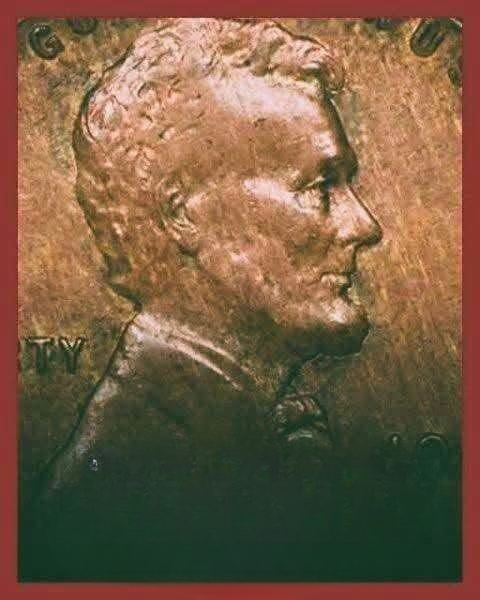
Everyday pocket change can sometimes contain an unexpected surprise.
Most people rarely stop to examine the coins they receive at a store, find in a drawer, or discover inside an old jar. Pennies in particular are often overlooked because their individual face value is so small. Yet certain rare or unusual Lincoln cents can attract significant interest from collectors, especially when they have a scarce date, unusual minting characteristic, or exceptional condition.
That doesn’t mean every old penny is worth a fortune. In fact, most Lincoln cents are worth close to their ordinary value unless they have characteristics that make them desirable to collectors.
Still, the possibility of finding an interesting coin in an ordinary collection is part of what makes coin collecting so fascinating.
Why Lincoln Pennies Attract So Much Attention
The Lincoln cent has a long history in American coinage.
Introduced in 1909, the coin has undergone several design and composition changes over the decades. Because so many Lincoln cents were produced, collectors have a large variety of dates, mint marks, designs, and varieties to explore.
Some issues are common and easy to find.
Others are considerably scarcer.
Certain errors and varieties can also be valuable when they are authentic, identifiable, and in desirable condition.
This combination makes Lincoln cents particularly interesting to beginners and experienced collectors alike.
Could a Penny Really Be Worth Hundreds of Thousands of Dollars?
Occasionally, headlines appear claiming that a particular penny could be worth hundreds of thousands of dollars.
Such headlines should be treated carefully.
A coin’s potential value depends on several factors, including its exact date, mint mark, variety, condition, authenticity, and documented sales history.
A dramatic valuation does not mean that every coin resembling the example is worth the same amount.
In some cases, a very high figure may refer to an exceptional specimen sold at auction rather than an ordinary example found in circulation.
That’s an important distinction.
Condition Can Make a Huge Difference
Coin collectors often pay close attention to condition.
Two coins with the same date and mint mark can have dramatically different values if one has been heavily circulated while the other has remained in exceptional condition.
Collectors may look for details such as:
- Sharp lettering
- Clear design features
- Original surface quality
- Minimal wear
- Attractive color
- Lack of scratches or damage
- Overall preservation
Professional grading services can evaluate coins and assign standardized grades, although grading can be complex.
A valuable coin doesn’t automatically become more valuable simply because someone believes it looks old.
Professional assessment can be important when substantial value may be involved.
Mint Marks Can Provide Important Clues
Many Lincoln cents have small mint marks indicating where they were produced.
Depending on the period, coins were struck at facilities including Philadelphia, Denver, and San Francisco.
The presence or absence of a mint mark can therefore be an important clue when identifying a potentially scarce coin.
However, simply seeing a particular mint mark doesn’t automatically make a penny rare.
Collectors consider the complete combination of date, mint mark, variety, condition, and other characteristics.
Errors Can Make Coins Interesting
Minting errors are another reason certain pennies attract attention.
Coins are produced through highly controlled manufacturing processes, but occasional mistakes can occur.
Examples can include certain types of doubled design elements, off-center strikes, incorrect planchets, or other unusual production characteristics.
However, the term “error” is sometimes used incorrectly online.
A coin that looks unusual isn’t necessarily a genuine mint error.
Damage occurring after a coin leaves the mint can create strange shapes or markings that may have little or no collectible value.
This is why authentication is important.
Don’t Clean an Old Coin
One of the biggest mistakes inexperienced collectors make is cleaning an old coin.
It may seem logical that removing dirt or discoloration would make a coin more attractive.
Unfortunately, cleaning can damage the coin’s original surface and potentially reduce its collector appeal.
Collectors often prefer coins with original surfaces.
If you discover an old or potentially valuable penny, avoid polishing, scratching, soaking, or using household cleaning products on it.
Keeping the coin in its current condition is generally the safer approach until you know what you have.
Where Valuable Pennies Can Be Found
People discover interesting coins in many different places.
You might find older cents in:
- Family coin collections
- Old jars
- Desk drawers
- Estate collections
- Antique boxes
- Coin rolls
- Bank-wrapped rolls
- Flea-market purchases
- Inherited collections
- Everyday change
There is no guarantee that searching through pocket change will produce a rare coin.
However, examining coins can be an inexpensive way to learn about American history and begin exploring numismatics.
Why Old Does Not Always Mean Valuable
Age is only one factor in determining a coin’s collectible value.
A penny from many decades ago may have been produced in enormous quantities and remain relatively common.
Meanwhile, a newer coin with a particularly unusual error or scarce variety could attract considerable interest.
Collectors therefore don’t simply ask, “How old is it?”
They ask questions such as:
How many were made?
How many remain?
Is this a recognized variety?
Is the unusual feature genuine?
What condition is the coin in?
What have comparable examples actually sold for?
Those questions provide much more useful information.
Be Careful With Online Price Claims
Searching for rare coins online can quickly produce enormous price figures.
Some websites list eye-catching values without providing sufficient context.
A responsible collector should distinguish between an asking price and an actual sale price.
Someone can advertise a penny for $100,000, but that doesn’t mean another collector would pay $100,000 for it.
Auction results and established numismatic references can provide more meaningful evidence.
When researching a potentially valuable coin, look for documented transactions involving coins with the same identifying characteristics and comparable condition.
What to Do If You Think You Found Something Special
If you believe you’ve discovered an unusually valuable Lincoln cent, resist the temptation to make quick decisions.
First, handle it carefully.
Avoid cleaning it.
Take clear photographs of both sides.
Record the date and mint mark.
Compare the coin with reputable identification references.
If the coin appears genuinely unusual, consider consulting an experienced coin dealer, numismatist, or professional grading service.
Getting more than one opinion can also be useful when a coin appears to have significant value.
Learn the Basics Before Spending Money
Coin collecting doesn’t require a large budget.
Beginners can start by learning how to identify dates, mint marks, designs, and common varieties.
A simple magnifying glass can help you examine small details.
Over time, you can learn about grading terminology, minting processes, historical changes, and auction records.
The more you learn, the easier it becomes to recognize legitimate opportunities and avoid exaggerated claims.
Why Coin Hunting Remains Popular
Searching through old coins has a special appeal because it combines history with discovery.
A small copper-colored coin can have a story that stretches back decades.
It may have passed through countless hands before ending up in your collection.
Even a coin that isn’t financially valuable can still be historically interesting.
Perhaps it was minted during an important period in American history.
Perhaps its design represents a particular era.
Perhaps it simply reminds you of a different time.
For many collectors, those stories are part of the fun.
The $336,000 Figure Should Be Viewed Carefully
The headline about a Lincoln penny being worth $336,000 is certainly attention-grabbing.
But a responsible article should not imply that an ordinary penny automatically carries such a value.
Exceptional auction results generally apply to specific coins with specific characteristics.
If you happen to own a Lincoln cent that appears to match a famous rare example, professional identification is the best way to determine whether it is genuinely comparable.
A photograph alone may not be enough to establish authenticity, grade, or market value.
Final Thoughts
The next time someone hands you a handful of change, you might want to take a closer look.
That doesn’t mean every Lincoln penny is a hidden fortune.
Most aren’t.
But some coins can be genuinely interesting because of their age, scarcity, condition, variety, or minting history.
The excitement comes from not knowing what you might discover.
If you find an unusual Lincoln cent, avoid cleaning or altering it. Carefully record its identifying features and compare it with reliable numismatic information. If the coin appears potentially valuable, seek an evaluation from a qualified professional before making any decisions.
A small coin may not always be worth a fortune, but learning how to recognize a truly unusual example can turn an ordinary piece of pocket change into a fascinating discovery.
And perhaps that’s the best part of coin collecting: sometimes the most overlooked objects can have stories worth uncovering.