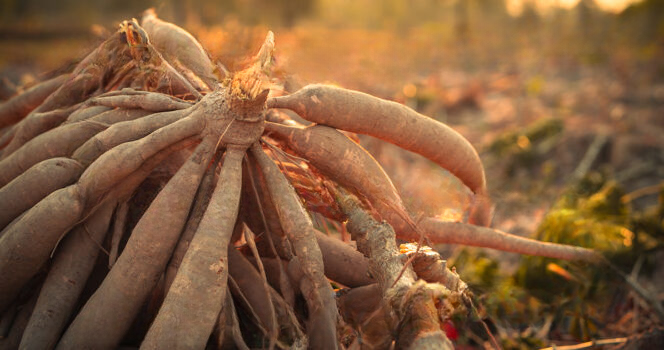
Cassava and Food Safety: Understanding the Risks Behind One of the World’s Most Important Staple Foods
Cassava is eaten by millions of people around the world, but improper preparation can create serious health risks. Learn why this important root vegetable requires careful processing, how natural plant toxins work, and what consumers should know about safe food preparation.
Introduction: When an Everyday Food Requires Special Care
For many people, food represents comfort, family traditions, and the simple pleasure of sharing a meal. Breakfast before work, dinner with loved ones, and familiar recipes passed between generations are all part of everyday life. Because eating is such a routine activity, most people do not spend much time thinking about the natural chemicals that may occur in certain ingredients.
However, food safety involves more than checking expiration dates or making sure meat is cooked thoroughly. Some foods contain naturally occurring substances that require appropriate preparation before they can be eaten safely.
One important example is cassava, a starchy root vegetable that provides energy for millions of people across tropical regions. It is used in traditional dishes, flour, snacks, and many other products. Its versatility, affordability, and ability to grow under challenging agricultural conditions have made it an important crop in numerous communities.
Yet cassava also contains naturally occurring compounds known as cyanogenic glycosides. Under certain conditions, these compounds can release hydrogen cyanide, a toxic substance that can cause serious illness when exposure is sufficiently high.
This does not mean that cassava is inherently unsafe or that people should avoid properly prepared cassava products. Instead, it highlights the importance of understanding how the food is grown, processed, stored, and prepared.
The World Health Organization identifies cassava among the plant foods that can contain cyanogenic glycosides. The level of potential risk depends on factors including the variety of cassava, the amount of toxin present, and the effectiveness of processing. <Link url=”https://www.who.int/news-room/fact-sheets/detail/natural-toxins-in-food” title=”WHO guidance on natural toxins in food”/>.
The subject deserves attention because cassava is not an obscure ingredient. It is a valuable food source in many parts of the world, and traditional preparation methods play an important role in making it suitable for consumption.
This article explores cassava’s nutritional and agricultural importance, explains the science behind its natural toxins, examines the risks associated with inadequate processing, and outlines practical principles for safer food handling.
It also considers why dramatic headlines about a supposedly deadly food can be misleading when they omit essential context.
1. What Is Cassava?
Cassava, scientifically known as Manihot esculenta, is a tropical root crop cultivated in many regions of Africa, Asia, Latin America, and the Caribbean.
The plant produces enlarged underground roots rich in carbohydrates. These roots can be processed into flour, boiled, baked, fried, fermented, or incorporated into a wide range of traditional dishes.
Depending on the country and language, cassava may be known by names such as manioc or yuca. It should not be confused with yucca, the name commonly used for a different group of ornamental and edible plants.
Cassava has several agricultural advantages. It can grow in environments where other crops may struggle, and some varieties tolerate periods of limited rainfall better than many alternative staples. These characteristics make it particularly important in regions where farming conditions can be unpredictable.
The crop also provides flexibility for households and food producers. Fresh roots can be prepared in different ways, while properly processed cassava can be converted into flour and other products that are easier to store and transport.
Cassava flour is used in breads, porridges, baked goods, and traditional foods. Tapioca, another familiar cassava-derived product, is produced from cassava starch and is used in puddings, drinks, and other recipes.
These products demonstrate how one root crop can support a diverse food system.
Cassava is not nutritionally identical to every other staple food. Its roots are primarily a source of carbohydrates, while their protein content is relatively low. The nutritional contribution of a cassava-based meal therefore depends on the other foods served alongside it.
For communities that rely heavily on cassava, the crop can be an important source of dietary energy and food security.
Its benefits should be considered alongside its preparation requirements. Understanding both aspects provides a more accurate picture than describing cassava as either completely harmless or universally dangerous.
2. Why Can Cassava Contain Toxic Compounds?
The main food safety concern associated with cassava is the presence of cyanogenic glycosides, including compounds such as linamarin.
These substances occur naturally in the plant. When plant tissue is damaged, the compounds can interact with enzymes and release hydrogen cyanide under suitable conditions.
Hydrogen cyanide is toxic because it interferes with the body’s ability to use oxygen at the cellular level. A sufficiently high exposure can rapidly become life-threatening.
The amount of cyanogenic material in cassava is not the same in every plant. It can vary according to the variety, growing conditions, and other agricultural factors.
Some varieties contain relatively low levels, while others may require more extensive processing before they are suitable for consumption.
This variation is one reason that preparation cannot be reduced to a single universal cooking instruction for every form of cassava.
Traditional food processing methods have developed in many cassava-producing communities to reduce these compounds. Depending on the product and local practices, methods may include peeling, cutting, grating, soaking, fermentation, drying, and cooking.
Different techniques work in different ways. Some encourage the breakdown of cyanogenic compounds, while others help remove them from the food.
The important point is that the effectiveness of a process depends on how it is carried out and on the type of cassava being processed.
A product that has undergone an appropriate, validated process is different from an inadequately processed root or flour made from a high-cyanide variety.
The presence of a natural toxin does not automatically make a food unsuitable for human consumption. Many foods contain naturally occurring compounds that require consideration, and food safety depends on exposure, preparation, and the properties of the specific product.
For cassava, following established preparation practices is essential.
3. Is Cassava Really the World’s Deadliest Food?
Sensational headlines sometimes describe cassava as the world’s deadliest food or claim that it causes a particular number of deaths every year.
Such statements require careful examination.
There is no single, universally accepted ranking that establishes one ordinary food as the world’s deadliest in every circumstance. The risks associated with food depend on the type of hazard, the amount consumed, preparation practices, exposure levels, and the population being considered.
A headline claiming that a food kills exactly 200 people annually should not be repeated as an established statistic unless it can be traced to a credible source with a clear methodology and defined time period.
Food-related deaths are investigated and recorded in different ways around the world. Some incidents involve individual cases, while others are identified during outbreaks. Reporting and surveillance capacity also vary between countries.
Consequently, a dramatic number may be incomplete, outdated, limited to a particular region, or unsupported by reliable evidence.
The evidence does establish that improperly processed cassava can cause cyanide poisoning, including fatal cases. The US Centers for Disease Control and Prevention has documented an outbreak in Uganda in which consumption of cassava flour made from high-cyanogenic cassava was associated with suspected cyanide poisoning, involving 98 cases and two deaths. <Link url=”https://www.cdc.gov/mmwr/volumes/68/wr/mm6813a3.htm” title=”Read the CDC outbreak investigation”/>.
That report illustrates a real and serious risk. It does not establish a worldwide annual death toll of 200 people.
Responsible reporting should make this distinction clear.
A more useful question than asking whether cassava is the deadliest food is asking under what conditions cassava can become hazardous and how those conditions can be prevented.
This approach avoids unnecessary fear while preserving the importance of food safety.
4. Understanding the Difference Between Sweet and Bitter Cassava
Cassava is commonly discussed in terms of sweet and bitter varieties.
These descriptions relate partly to differences in cyanogenic potential, although taste alone is not a reliable way to determine whether a particular root is safe.
Sweet cassava varieties generally contain lower levels of cyanogenic compounds than bitter varieties. Bitter cassava may contain considerably higher concentrations and can require more extensive processing.
However, the distinction should not be interpreted as a guarantee that every sweet variety is safe to eat raw or that every bitter variety can be made safe through ordinary household cooking.
The specific variety, growing conditions, and processing method all matter.
Food safety authorities emphasize that cassava should be properly peeled and fully cooked, while higher-risk varieties require suitable processing procedures that reduce cyanogenic compounds to safe levels.
Food Standards Australia New Zealand provides detailed guidance on cassava and other foods containing cyanogenic glycosides. <Link url=”https://www.foodstandards.gov.au/consumer/prevention-of-foodborne-illness/cassava” title=”Read the cassava preparation guidance”/>.
Consumers should follow instructions from reliable food safety authorities, established local processing practices, and the product’s preparation directions.
People unfamiliar with cassava should avoid experimenting with wild, unidentified, or unusually bitter roots.
They should also avoid assuming that appearance or taste alone can establish safety.
The safest approach is to obtain cassava from reliable suppliers and use a preparation method appropriate to the particular product.
5. How Improper Preparation Can Create Serious Risks
Cassava becomes hazardous when cyanogenic compounds are not sufficiently reduced before consumption.
One concern is the consumption of raw or inadequately processed roots. Another is the use of flour produced from cassava that has not undergone appropriate detoxification.
Processing errors may occur for several reasons.
A producer may use a high-cyanogenic variety without applying the necessary preparation method. Soaking or fermentation may be shortened. Drying conditions may be unsuitable, or a product may be consumed before processing is complete.
Food shortages and economic pressures can also encourage people to use unfamiliar plant varieties or alter established preparation methods.
These circumstances can increase the likelihood of exposure to dangerous levels of cyanide.
A documented outbreak in Uganda demonstrates how problems during the processing of cassava flour can have serious consequences. Investigators linked the incident to a dish made from cassava flour produced from high-cyanogenic cultivars. The report emphasized the importance of appropriate detoxification before consumption. <Link url=”https://www.cdc.gov/mmwr/volumes/68/wr/mm6813a3.htm” title=”CDC report on cassava-associated poisoning”/>.
The lesson is not that cassava should be eliminated from diets. It is that preparation procedures must be followed reliably, particularly when the food forms a substantial part of a community’s diet.
Food producers, agricultural authorities, retailers, and consumers all have roles to play.
Producers need appropriate processing methods. Retailers should obtain products from reliable sources. Consumers should follow instructions and avoid eating raw or inadequately prepared cassava.
Public education can help people understand the difference between a properly prepared staple food and a product that may present a chemical hazard.
6. What Happens During Cyanide Poisoning?
Cyanide poisoning is a serious medical emergency.
The severity of exposure depends on factors such as the amount of cyanide absorbed and the individual’s circumstances. Symptoms may develop rapidly following a sufficiently high exposure.
Possible symptoms include headache, dizziness, weakness, nausea, vomiting, abdominal discomfort, breathing difficulties, confusion, and changes in blood pressure.
Severe poisoning can interfere with normal cellular oxygen use and lead to seizures, loss of consciousness, cardiovascular collapse, and death.
The symptoms are not unique to cyanide poisoning. Many medical conditions can cause dizziness, nausea, or breathing difficulties, so symptoms alone cannot reliably identify the cause.
A person who may have consumed inadequately processed cassava and develops concerning symptoms should receive urgent medical assessment.
Do not wait for every possible symptom to appear. If severe symptoms occur, contact local emergency services immediately.
Do not attempt to treat suspected cyanide poisoning at home with food, drinks, herbal remedies, or other unproven methods. Do not induce vomiting unless specifically directed by a qualified medical professional or poison-control service.
Medical professionals can assess the situation and provide appropriate treatment.
The World Health Organization describes the potential symptoms and seriousness of exposure to cyanogenic substances in its guidance on natural toxins in food. <Link url=”https://www.who.int/news-room/fact-sheets/detail/natural-toxins-in-food” title=”WHO information on natural food toxins”/>.
Awareness of these symptoms is useful, but prevention remains the priority.
The most effective way to reduce cassava-related risk is to ensure that the food is appropriately sourced, processed, and prepared before it is eaten.
7. How Cassava Is Prepared for Safer Consumption
Cassava is consumed in many forms, and safe processing depends on the variety and intended product.
There is no single procedure suitable for every cassava root, flour, leaf, or processed food.
For ordinary household use, consumers should begin by identifying the product and following instructions from a trustworthy supplier or recognized food safety authority.
Fresh roots should not be eaten raw. They should be peeled and prepared according to an established method appropriate to the variety.
Some cassava products require steps beyond ordinary cooking. Higher-cyanogenic varieties may need carefully controlled combinations of grating, soaking, fermentation, drying, and cooking.
These methods help reduce cyanogenic compounds through different mechanisms.
For example, certain processing methods allow enzymes to break down cyanogenic glycosides. Other steps help remove compounds from the food or reduce the remaining cyanide during subsequent processing.
The sequence and duration of the steps can matter.
A process that works for one variety or product should not automatically be assumed to work for another.
Simply boiling, frying, or baking cassava does not guarantee that every high-cyanogenic product has been made safe. The effectiveness of heat treatment depends on the starting material and the overall processing method.
Consumers should therefore avoid improvising with unfamiliar varieties.
Commercial cassava flour, tapioca products, and other processed foods should be purchased from reputable suppliers and prepared according to their labels.
For food manufacturers and processors, established guidance and quality-control measures are particularly important because one poorly processed batch can expose multiple consumers.
Food Standards Australia New Zealand explains that processing requirements differ for cassava roots and bamboo shoots, both of which can contain cyanogenic compounds. Its guidance also describes methods used to reduce these substances in different products. <Link url=”https://www.foodstandards.gov.au/consumer/prevention-of-foodborne-illness/cassava” title=”Food Standards Australia New Zealand: cassava safety”/>.
The central principle is straightforward: use a suitable, established process rather than relying on appearance, taste, or an assumption that ordinary cooking will always be enough.
8. Cassava Leaves Also Require Attention
Although cassava roots receive much of the attention, the leaves also deserve consideration.
In some regions, cassava leaves are used as vegetables and incorporated into traditional meals. They can contribute nutrients to the diet, including protein and certain minerals and vitamins.
However, cassava leaves can contain higher concentrations of cyanogenic glycosides than the roots.
Their preparation therefore requires specific care.
The methods used for cassava roots should not automatically be applied to the leaves. Preparation procedures need to account for the plant part being consumed and the way the final dish is made.
Reliable local guidance is particularly valuable because traditional recipes may involve combinations of pounding, washing, soaking, prolonged cooking, or other established processing steps.
The appropriate process depends on the product and the method used.
People unfamiliar with preparing cassava leaves should obtain them from reliable sources and follow instructions from experienced, trustworthy food preparers or food safety authorities.
It is also important not to confuse culinary tradition with an absence of risk. Traditional foods can be nutritious and culturally significant while still requiring careful preparation.
Understanding these requirements supports the safe continuation of food traditions rather than discouraging their use.
9. Other Foods That Contain Natural Toxins
Cassava is not the only food associated with naturally occurring toxic compounds.
Plants produce a wide variety of chemicals as part of their biological defenses. Some of these substances can be harmful to humans under certain conditions.
The risks vary considerably between foods and should not be treated as identical.
Bamboo shoots
Fresh bamboo shoots can contain cyanogenic glycosides. Appropriate preparation reduces these compounds, which is why fresh shoots should be prepared according to reliable food safety instructions.
Commercially processed bamboo shoots are generally treated to reduce this hazard.
Certain stone-fruit kernels
The kernels inside the pits of some stone fruits can contain cyanogenic compounds. These kernels should not be assumed to be safe to eat simply because the fruit surrounding them is edible.
Crushing or chewing the kernels may affect the release of cyanide from their compounds.
Certain beans and legumes
Some beans contain naturally occurring substances that require appropriate preparation. Red kidney beans, for example, can cause illness when eaten undercooked because they contain a lectin known as phytohaemagglutinin.
Their preparation requirements differ from those for cassava, and the relevant guidance should be followed.
Other naturally occurring plant substances
Some plants contain compounds that can cause adverse effects depending on the dose, preparation, or individual circumstances.
The existence of such compounds does not mean that all plant foods are dangerous. It means that food safety requires an understanding of the characteristics of particular ingredients.
The World Health Organization’s overview of natural toxins provides additional information about different plant-derived hazards. <Link url=”https://www.who.int/news-room/fact-sheets/detail/natural-toxins-in-food” title=”Learn more about natural toxins in food”/>.
A sensible approach is to focus on specific, documented risks and the methods known to reduce them rather than labeling entire categories of food as unsafe.
10. The Role of Food Safety Authorities and Producers
Safe food depends on more than individual choices in the kitchen.
Agricultural producers, food manufacturers, distributors, retailers, and public authorities all influence the safety of the products that reach consumers.
For cassava, producers need to understand the varieties they cultivate and the processing requirements associated with them.
Manufacturers should use appropriate processing methods and quality-control procedures. When necessary, testing can help determine whether products meet relevant safety requirements.
Retailers also play a role by sourcing products from reliable suppliers and maintaining appropriate storage and handling practices.
Public authorities can support food safety through research, regulations, inspections, and educational programs.
These measures are especially important in areas where cassava is a major staple food. When many households depend on one crop, a problem with a particular variety or processing method can affect a large number of people.
Education should explain why processing matters, which practices are appropriate for different products, and how consumers can recognize trustworthy guidance.
It should also account for local conditions. A recommendation that assumes access to specialized equipment may not be practical for every household, so food safety programs need to consider the resources available to the communities they serve.
International food standards provide additional guidance for reducing cyanide in cassava and cassava products.
The Codex Alimentarius collection includes a dedicated code of practice for reducing hydrocyanic acid in cassava and cassava products. <Link url=”https://www.fao.org/fao-who-codexalimentarius/codex-texts/codes-of-practice/en/” title=”Explore FAO and WHO food safety codes of practice”/>.
Such resources support the development of more consistent practices across the food supply chain.
11. Cassava, Nutrition, and Food Security
The discussion of cassava’s risks should not overshadow its contribution to food security.
In many tropical and subtropical regions, cassava provides an important source of dietary energy. It can grow in conditions that are challenging for some other crops, and it can be processed into foods suited to different local preferences.
For farming households, cassava may be an important part of agricultural planning and income generation.
For consumers, cassava-based foods can contribute to affordable meals and provide alternatives to other carbohydrate sources.
However, a cassava-based diet should be considered as part of the overall nutritional picture.
Because cassava roots contain relatively little protein compared with many legumes and animal-derived foods, meals often benefit from including complementary sources of protein and other nutrients.
Depending on local availability, these may include beans, lentils, eggs, fish, meat, vegetables, and other ingredients.
The nutritional quality of a meal depends on the overall combination of foods, not on one ingredient alone.
Food security also involves access to safe food. A crop may be abundant, but households still need the knowledge and resources to prepare it appropriately.
This is why agricultural support and food safety education should work together.
Efforts to improve cassava production can be complemented by information about suitable varieties, effective processing, and quality control.
A balanced perspective recognizes both the value of cassava and the importance of reducing preventable risks.
12. Common Misconceptions About Cassava Safety
Several misunderstandings can make it harder for consumers to evaluate information about cassava.
Misconception 1: Every type of cassava is equally dangerous.
Cyanogenic potential varies between varieties and products. Risk depends on the starting material and the effectiveness of processing.
Misconception 2: Cassava is always safe if it is cooked.
Cooking is important, but ordinary cooking alone may not be sufficient for high-cyanogenic varieties or inadequately processed products. Appropriate processing instructions should be followed.
Misconception 3: Bitter taste is a reliable safety test.
Taste alone cannot establish whether a root is safe. Consumers should not rely on tasting unfamiliar cassava to determine its cyanogenic content.
Misconception 4: A dramatic headline proves that a food causes a particular number of deaths.
Numerical claims require credible evidence, a defined time period, and a clear explanation of how the figures were obtained.
Misconception 5: All naturally occurring toxins can be removed using the same method.
Different compounds respond to different treatments. A method suitable for one food may not be suitable for another.
Misconception 6: A food with a known hazard should never be eaten.
Many foods can be consumed safely when they are appropriately sourced, processed, and prepared. The existence of a hazard does not automatically mean that all products containing it are unsafe.
Understanding these distinctions helps readers make informed decisions without unnecessary alarm.
13. Practical Tips for Consumers
Consumers do not need to become food chemists to make safer choices. A few general principles can help reduce avoidable risks.
First, buy cassava and cassava-based products from reliable suppliers. If a product is packaged, read its preparation instructions and any safety information.
Second, do not eat raw cassava. Follow an established preparation method appropriate to the product and variety.
Third, avoid using wild, unidentified, or unfamiliar cassava varieties unless their safe processing requirements are known and can be followed.
Fourth, do not assume that frying, baking, or brief boiling will make every type of cassava safe. High-cyanogenic varieties may require more extensive processing.
Fifth, prepare cassava leaves according to appropriate guidance rather than treating them like ordinary leafy vegetables.
Sixth, be cautious about online advice that promises a universal shortcut or dismisses established food safety recommendations.
Seventh, seek professional medical assistance promptly if poisoning is suspected following consumption of a potentially unsafe product.
Finally, distinguish between the risk associated with improperly prepared cassava and the safety of properly processed commercial products.
These principles are intended as general educational guidance. Detailed processing requirements can differ according to local varieties and products, so official guidance should take priority over generalized instructions.
14. How to Evaluate Sensational Food Headlines
Food-related stories often attract attention when they describe an unexpected danger. A headline suggesting that an everyday ingredient is deadly can encourage readers to click, but it may also create a misleading impression.
Before accepting such a claim, consider a few questions.
Is the food clearly identified? Does the article explain which preparation or exposure creates the risk? Is the reported number of deaths supported by a credible study or public health authority? Does the evidence refer to a particular outbreak, a local population, or a global estimate?
It is also useful to distinguish between a hazard and a real-world risk.
A hazard is something capable of causing harm. Risk depends on the likelihood and severity of that harm under particular conditions.
Cyanide is hazardous, but the risk associated with a cassava product depends on its cyanogenic content and how effectively the product has been processed.
That distinction is important when discussing natural toxins.
An article that mentions only the hazard may make a food seem universally dangerous. An article that ignores the hazard may provide false reassurance.
Responsible reporting explains both.
Readers should also consider the publication date, the expertise of the source, and whether other reputable sources support the claim.
When a precise annual death toll is not supported by reliable evidence, it is better to describe the documented danger without repeating an uncertain number.
Accurate information helps people make better decisions and allows important public health warnings to be taken seriously.
Frequently Asked Questions
Is cassava safe to eat?
Cassava can be eaten safely when it is appropriately sourced, processed, and prepared. Raw or inadequately processed cassava can contain dangerous levels of cyanogenic compounds.
Why does cassava contain cyanide-related compounds?
Cassava naturally produces cyanogenic glycosides, including linamarin. Under certain conditions, these compounds can release hydrogen cyanide.
Does cassava cause hundreds of deaths every year?
A precise worldwide annual figure should not be repeated without a credible source and a clear methodology. Serious and sometimes fatal cassava-associated poisoning incidents have been documented, but individual outbreak reports do not establish a global annual total.
Can boiling cassava make it safe?
Cooking is an important part of preparation, but its effectiveness depends on the variety and product. High-cyanogenic cassava may require additional processing steps. Follow recognized preparation instructions.
Are cassava flour and tapioca dangerous?
Properly processed commercial products are different from inadequately processed raw material. Buy from reputable suppliers and follow the product’s instructions.
Can cassava leaves be eaten?
Cassava leaves are used in traditional dishes in some regions, but they require appropriate preparation because they can contain cyanogenic compounds. Follow established local guidance.
What are the signs of cyanide poisoning?
Possible signs include headache, dizziness, nausea, vomiting, weakness, breathing difficulties, and confusion. Severe exposure can cause seizures, unconsciousness, and death. Suspected poisoning requires urgent medical assessment.
Should people stop eating cassava because of these risks?
Not necessarily. Cassava is an important staple food, and the main concern is improper processing. Understanding and following suitable food safety practices helps reduce avoidable risks.
Conclusion: Knowledge and Preparation Make the Difference
Cassava is an important food crop that supports meals, livelihoods, and food security in many parts of the world. Its versatility and agricultural resilience have made it a staple for millions of people.
At the same time, the plant naturally contains compounds that can release cyanide under certain conditions. When cassava is inadequately processed, those compounds can create a serious health hazard.
The solution is not to rely on frightening headlines or dismiss legitimate concerns. It is to understand the evidence, follow established preparation practices, and obtain food from reliable sources.
Claims about a particular annual death toll should be treated cautiously unless supported by credible data. Documented poisoning incidents demonstrate why cassava safety matters, but they should not be used to justify unsupported global statistics.
Food safety is most effective when accurate information is combined with practical action. Producers need appropriate processing