For centuries, black seed has held an important place in traditional healing practices across the Middle East, North Africa, South Asia, and parts of Europe. It is frequently described online as a plant mentioned in sacred writings that can “cure every disease.”
That description is connected to a well-known Islamic narration, but it should not be interpreted as scientific proof that black seed can replace medical treatment or cure every health condition.
No herb, food, oil, or dietary supplement has been medically demonstrated to cure every disease. Claims suggesting otherwise can be misleading and potentially dangerous, particularly if they encourage someone to delay professional care.
A more responsible discussion can respect the religious importance of black seed while also explaining what researchers currently know—and do not know—about its possible health effects.
What Is Black Seed?
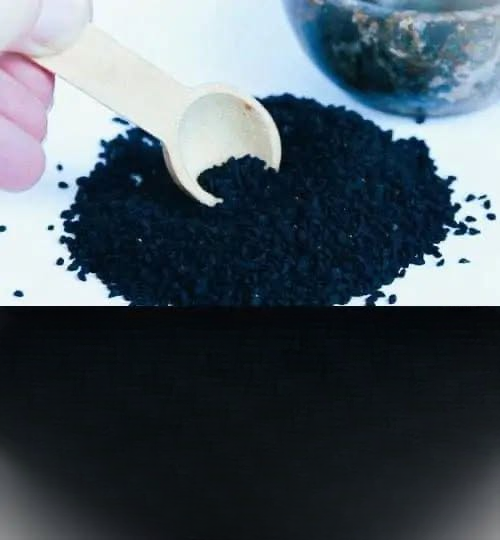
Black seed comes from Nigella sativa, a small flowering plant native to parts of Eastern Europe and Western Asia. It is now cultivated in many regions of the world.
The plant produces small black seeds with a strong, slightly bitter flavor. They are used as a spice in bread, curries, pickles, vegetables, and other foods.
Black seed is known by several names, including:
- Black cumin
- Black caraway
- Kalonji
- Nigella
- Fennel flower
- Roman coriander
- Habbat al-barakah, or “seed of blessing”
These names sometimes create confusion. Nigella sativa is not the same plant as ordinary cumin, black sesame, or caraway, even though some of its common names sound similar.
The seeds can be eaten whole, ground into powder, pressed into oil, or manufactured as capsules and concentrated extracts.
According to an overview in the National Library of Medicine’s LiverTox database, black seed has a long history of culinary and traditional use. Its seeds contain several natural compounds, including oils and a substance called thymoquinone, which is often studied as a potentially active component.
Is Black Seed Mentioned in the Quran?
Black seed is frequently described as being mentioned in the Quran, but that statement is not precise.
The famous saying about black seed comes from hadith literature rather than directly from the Quran. Hadith are reports concerning the words, actions, and practices of the Prophet Muhammad.
In a narration recorded in Sahih al-Bukhari, black seed is described as containing healing for illnesses except death. The narration appears in a section concerning medicine and black cumin. The complete translated text can be found in Sahih al-Bukhari 5687.
For many Muslims, this narration gives black seed religious and cultural significance. It has contributed to the seed’s continued use in traditional remedies and food preparation.
However, religious interpretation and clinical medicine answer different kinds of questions. A sacred statement may be understood spiritually, historically, symbolically, or within a particular system of traditional practice. A modern medical claim must be supported by carefully designed human research showing that a treatment is both effective and safe for a specific condition.
Respecting a religious tradition does not require making unsupported promises about medical outcomes.
Does Black Seed Cure Every Disease?
Modern medical evidence does not show that black seed cures every disease.
Researchers have studied Nigella sativa in laboratory experiments, animal research, and human trials. Some findings are interesting, but interesting findings are not the same as proof of a universal cure.
Laboratory studies have examined possible antioxidant, anti-inflammatory, antimicrobial, metabolic, and immune-related effects. These experiments can help researchers identify compounds worth studying, but results obtained in cells or animals do not automatically apply to people.
Human studies have investigated black seed for conditions involving blood sugar, cholesterol, blood pressure, inflammation, breathing symptoms, and other health concerns. Some small trials have reported modest changes in certain measurements.
However, studies have used different products, doses, treatment periods, and participant groups. Many trials have also been small or short. These differences make it difficult to reach firm conclusions or establish a standard medical dose.
The National Library of Medicine notes that small studies have reported modest effects on measurements such as blood glucose, cholesterol, and blood pressure. It also states that the overall evidence for clinical benefit is not highly convincing and that black seed products have not been approved by the U.S. Food and Drug Administration as treatments for diabetes, hypertension, high cholesterol, or another disease.
That distinction is essential. A product may influence a laboratory measurement without curing the underlying medical condition or preventing its complications.
What Researchers Are Studying
Much of the scientific interest in black seed focuses on thymoquinone, one of the plant’s natural components.
Researchers have explored whether thymoquinone and other compounds in the seed may influence oxidative stress and inflammatory pathways. Oxidative stress describes an imbalance involving reactive molecules that can damage cells. Inflammation is part of the body’s normal defense system, but persistent inflammation is associated with numerous health problems.
These broad biological processes are involved in many conditions. That does not mean a substance with antioxidant or anti-inflammatory activity can cure every condition connected to them.
Many foods contain compounds that demonstrate promising activity in laboratory experiments. Only a smaller number become approved medical treatments after extensive testing.
A 2021 scientific review of black cumin research discussed numerous areas of investigation but also highlighted concerns involving inconsistent evidence, dosage, product variation, and possible herb–drug interactions.
More rigorous, large-scale human trials are needed to determine where black seed may offer meaningful benefits, what preparation and dose would be appropriate, and which patients should avoid it.
Black Seed and Blood Sugar
Several studies have examined whether black seed powder or oil may affect blood sugar in people with type 2 diabetes.
Some small trials have reported modest improvements in fasting glucose, post-meal glucose, or hemoglobin A1C. Hemoglobin A1C is a measurement that reflects average blood sugar over several months.
These results do not establish black seed as a substitute for prescribed diabetes medication, dietary planning, physical activity, or medical monitoring.
Diabetes can cause serious complications involving the heart, kidneys, eyes, nerves, and blood vessels. Stopping an effective treatment in favor of an unproven supplement could allow blood sugar to rise without obvious immediate symptoms.
Because black seed might influence blood glucose, a person already taking diabetes medication should speak with a healthcare professional before using a concentrated product. Combining substances that lower blood sugar could potentially produce an excessive effect in some individuals.
Black Seed and Blood Pressure
Black seed has also been studied for possible effects on blood pressure. Some research has identified small reductions in systolic or diastolic measurements.
Once again, a modest change in a short study does not prove that black seed prevents heart attacks, strokes, or other cardiovascular complications.
People prescribed medication for high blood pressure should not stop taking it without medical guidance. Uncontrolled hypertension often produces no obvious symptoms while gradually damaging blood vessels and organs.
Anyone using blood-pressure medication should discuss supplements with a physician or pharmacist because combined effects or interactions may occur.
Black Seed and Cholesterol
A number of studies have investigated black seed’s possible effects on cholesterol and triglycerides. Certain trials have reported small improvements in some lipid measurements, but the results have not been consistently strong enough to establish black seed as an approved therapy.
Cholesterol management depends on a person’s complete cardiovascular risk profile. Age, smoking, blood pressure, diabetes, family history, and previous heart or vascular disease all influence treatment decisions.
A spice or supplement should not replace evidence-based medication when that medication has been prescribed to reduce a significant medical risk.
Claims About Cancer and Serious Illness
Online articles sometimes claim that black seed can cure cancer, severe infections, autoimmune disease, or other major illnesses. These claims go beyond current clinical evidence.
A compound may slow the growth of certain cells in a laboratory without being safe or effective as a treatment in the human body. The dose used in an experiment may not be practical for people, and the body may absorb or process the substance differently.
Cancer treatment is selected according to the specific type, stage, genetic characteristics, and overall health of the patient. Surgery, radiation, chemotherapy, targeted therapy, immunotherapy, or other treatments may be recommended.
Black seed should never replace treatment from a qualified oncology team. Patients interested in complementary products should speak with their clinicians because supplements may interact with medication or affect procedures and laboratory results.
The same caution applies to serious infections, asthma attacks, heart symptoms, and other urgent conditions.
Is Black Seed Safe?
Black seed used in ordinary food quantities is generally well tolerated by many people. Concentrated oils, extracts, and capsules are different from culinary use because they may deliver larger amounts of active compounds.
Reported side effects can include:
- Stomach discomfort
- Bloating
- Diarrhea
- An altered sense of taste
- Headache
- Skin irritation or rash
- Allergic reactions
The LiverTox database reports that black cumin has not been associated with clinically apparent liver injury in the available published evidence. However, the absence of known liver injury does not mean every product is suitable for every person.
Dietary supplements can vary in concentration, purity, and labeling accuracy. Two containers both described as “black seed oil” may not contain identical amounts of the same compounds.
The National Library of Medicine’s LactMed database notes that information about black seed during breastfeeding is limited and that black seed oil can cause allergic contact dermatitis. It also explains that dietary supplements do not undergo the same premarket testing for effectiveness as approved medicines.
Pregnant or breastfeeding individuals should consult a healthcare professional before using concentrated black seed products. Additional caution is appropriate for children, people preparing for surgery, and anyone taking medication for diabetes, blood pressure, blood clotting, or another chronic condition.
Food Use Is Different From Medical Treatment
Adding a small amount of black seed to bread or another meal is not the same as taking a concentrated supplement.
Food use generally involves smaller quantities and occurs as part of an overall diet. Supplements may contain oils or extracts designed to deliver a much higher concentration.
Marketing can make concentrated products sound more powerful and therefore more beneficial. Greater concentration, however, can also increase the possibility of side effects or interactions.
Consumers should examine product labels carefully and avoid products promising guaranteed cures, immediate results, or protection from every disease.
A trustworthy health product should not require someone to abandon prescribed treatment or ignore medical advice.
Faith and Medicine Can Coexist
People do not necessarily have to choose between respecting their faith and using modern medicine.
Many believers view prayer, traditional foods, community support, and spiritual practices as meaningful parts of coping with illness. These practices may provide comfort, hope, identity, and emotional strength.
At the same time, medical diagnosis and treatment remain important. A person can include black seed in their diet or spiritual tradition while also consulting physicians, taking prescribed medication, undergoing testing, and following evidence-based care.
Problems arise when a traditional remedy is marketed as a guaranteed replacement for all medical treatment.
A respectful and responsible message is that black seed has religious significance, a long culinary history, and several compounds that researchers continue to investigate. That is very different from claiming it can cure every illness.
When to Seek Medical Care
Black seed should not be used to delay emergency treatment. Immediate medical help is necessary for symptoms such as:
- Chest pain or pressure
- Serious difficulty breathing
- Sudden weakness or numbness
- Confusion or loss of consciousness
- A severe allergic reaction
- Uncontrolled bleeding
- Signs of stroke
- Very high or very low blood sugar with symptoms
Persistent or unexplained symptoms also deserve professional evaluation. Self-treatment may temporarily hide symptoms without addressing their cause.
The Responsible Conclusion
Black seed, or Nigella sativa, is an important plant in Islamic tradition and has been used as both food and traditional medicine for centuries. The familiar description of it as a source of healing comes from hadith literature, not directly from the Quran.
Modern research has identified potentially interesting biological properties and modest effects in some small human studies. However, current evidence does not show that black seed cures every disease, and it is not an approved replacement for established medical treatments.
It may be enjoyed as a culinary spice, and some adults may choose to use supplements after discussing them with a qualified professional. Expectations should remain realistic, especially for serious or chronic health conditions.
The most balanced approach honors the plant’s cultural and religious importance without turning faith into an unsupported medical guarantee.
Black seed may have useful properties that deserve continued research, but no single plant can replace accurate diagnosis, professional care, and treatments proven to protect health.