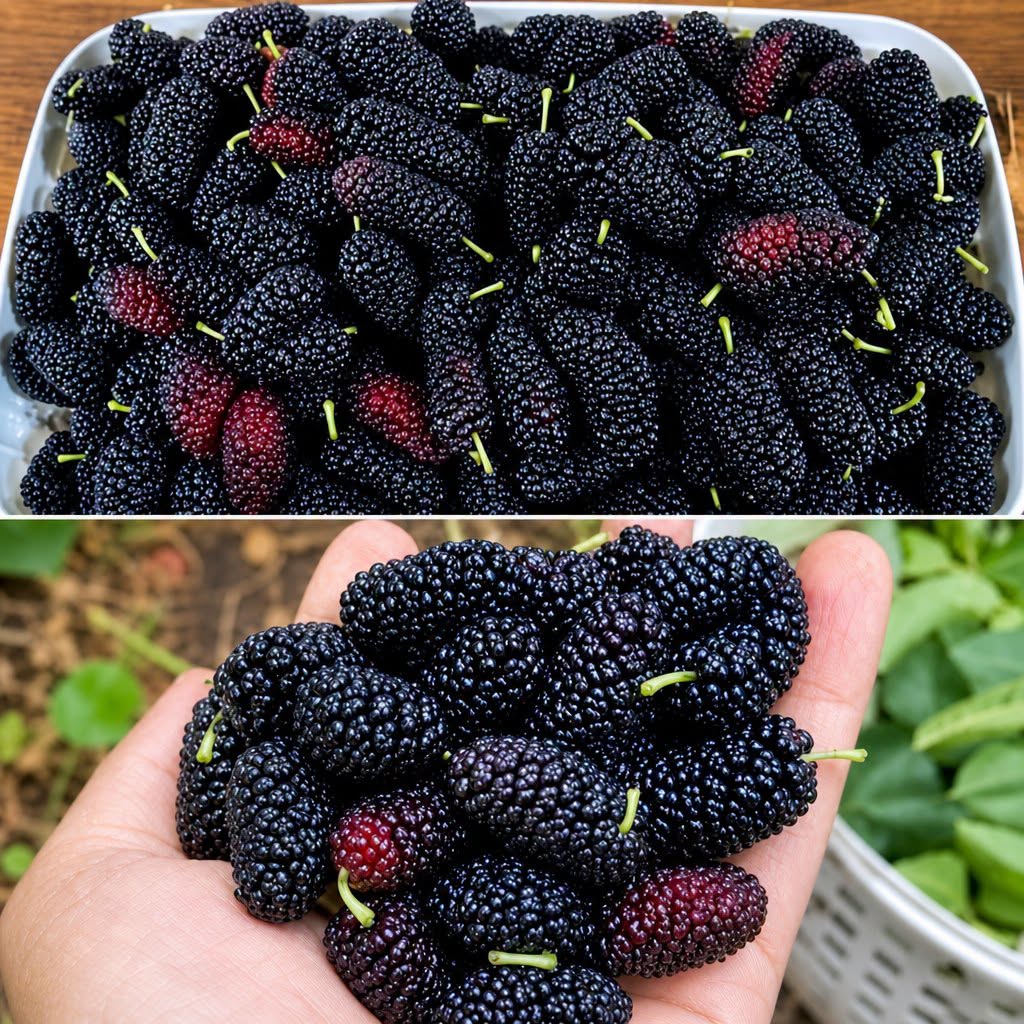
A Guide to Seasonal Fruit: How to Identify It, Understand Its Benefits, and Enjoy It in Everyday Meals
Have you ever walked through a farmers’ market or grocery store and noticed a fruit you’ve never tried before?
Perhaps it had an unusual shape, a bright color, or a texture that looked completely different from the familiar apples, oranges, bananas, and grapes you normally buy.
Seasonal fruits can be especially interesting because they appear at particular times of the year and are often enjoyed when they are naturally at their best.
Trying an unfamiliar fruit can be a small adventure. You may discover a new flavor, find a different ingredient for breakfast, or simply learn something about the foods grown in another region.
But before eating an unfamiliar fruit, it helps to know what you’re looking at, how it is normally prepared, and how it fits into a balanced diet.
This guide explores why seasonal fruit can be worth discovering, how to approach unfamiliar varieties, what nutritional qualities many fruits provide, and some simple ways to enjoy them.
Why Seasonal Fruit Can Be Worth Trying
Seasonal produce has traditionally been connected with the natural growing cycle of a region.
Different fruits become available at different times depending on climate, soil, rainfall, temperature, and agricultural practices.
When a fruit is in season locally, it may be easier to find at farmers’ markets and other produce sellers.
Seasonal availability can also encourage variety.
Instead of eating exactly the same fruits throughout the year, you may naturally encounter different options as the seasons change.
Spring can bring berries and early stone fruits in some regions.
Summer is often associated with peaches, cherries, melons, berries, and plums.
Autumn brings apples, pears, grapes, figs, and other varieties.
Winter can offer citrus fruits and other produce depending on the climate.
The exact calendar differs considerably by location, but the general principle remains the same: nature provides different foods at different times.
An Unfamiliar Fruit Doesn’t Have to Be Complicated
One reason people hesitate to try unfamiliar produce is uncertainty.
You might wonder:
Is the skin edible?
Should it be peeled?
Is the seed safe to eat?
How do I know when it is ripe?
What does it taste like?
How should it be stored?
These are reasonable questions.
Fortunately, most fruits can be understood fairly quickly once you know their basic characteristics.
When encountering something unfamiliar, start by learning its name.
Once you know the variety, it becomes much easier to find reliable information about preparation and storage.
If you’re buying produce at a farmers’ market, the grower or seller can often explain how the fruit is normally eaten.
That personal interaction is one of the enjoyable parts of shopping for seasonal produce.
Look at the Appearance
The outside of a fruit can provide useful clues about its ripeness, although appearance alone isn’t always enough.
Depending on the variety, a ripe fruit may have:
- A particular color
- A pleasant aroma
- Slight softness
- A characteristic weight
- Smooth or slightly textured skin
- A natural sheen
Some fruits change color significantly as they ripen.
Others remain almost the same color and become softer instead.
This is why it is useful to learn the specific characteristics of the fruit you’re buying rather than relying on one general rule.
A ripe peach, for example, behaves differently from an apple.
A ripe avocado behaves differently from a grape.
Fruit ripeness is not on