Eagles’ “One of These Nights”: The Story Behind the 1975 Classic and Its Lasting Appeal
Released in 1975, “One of These Nights” marked an important moment in the career of the Eagles. By this point, the American rock band had already established a recognizable sound that combined country influences, melodic songwriting, and polished vocal harmonies. However, this song demonstrated that the group was ready to explore a more sophisticated musical direction, blending elements of rock, soul, and rhythm and blues into a distinctive recording.
The song became the title track of the band’s fourth studio album, also called One of These Nights. Its release represented a significant step forward for the group, helping establish the Eagles as one of the most prominent acts in American popular music during the 1970s.
What made the recording memorable was not just its commercial success. Its carefully arranged instrumentation, distinctive guitar work, layered vocals, and thoughtful lyrics created an atmosphere that felt both inviting and mysterious. The song explored themes of desire, anticipation, personal ambition, and the complicated emotions that can accompany the pursuit of something meaningful.
Nearly five decades later, “One of These Nights” continues to attract listeners who appreciate classic rock, carefully constructed melodies, and songs that leave room for interpretation. Its appeal comes from the way its different musical elements work together without making the experience feel overly complicated.
Understanding the song requires looking beyond its familiar melody. Its creation reflects a period when the Eagles were refining their artistic identity, experimenting with different influences, and discovering how to combine accessible songwriting with a more adventurous musical approach.
The Eagles Before “One of These Nights”
The Eagles emerged in the early 1970s, a period when American popular music was undergoing considerable change. Rock music had expanded in several directions, while country music, folk songwriting, blues, and soul continued to influence artists working across different genres.
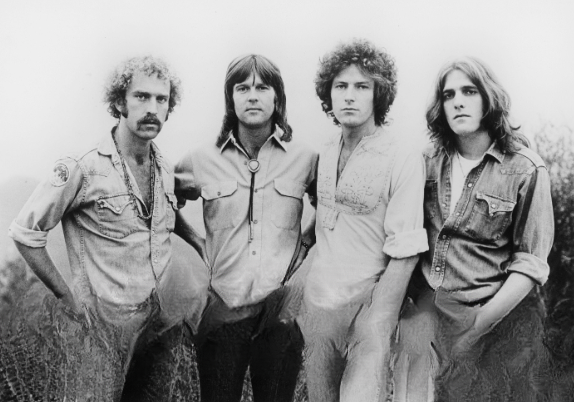
The band’s original lineup included Glenn Frey, Don Henley, Bernie Leadon, and Randy Meisner. Each musician brought a different set of experiences and musical interests to the group. Frey and Henley became particularly important to the Eagles’ songwriting and vocal identity, while Leadon and Meisner contributed instrumental versatility and distinctive vocal performances.
Their early recordings helped establish a sound associated with the California music scene. Acoustic guitars, country-inspired arrangements, and close harmonies played important roles in their first albums.
Songs such as “Take It Easy” and “Peaceful Easy Feeling” introduced audiences to the group’s melodic approach. These recordings combined accessible choruses with arrangements that were relaxed without sounding careless. They also demonstrated the band’s ability to make several vocal parts work together naturally.
The Eagles’ first albums established a strong foundation, but the group did not remain satisfied with a single musical formula. As their popularity increased, they began exploring ways to make their recordings more varied and ambitious.
That development became increasingly noticeable on On the Border, released in 1974. The album included a harder-edged rock sound alongside the country and folk elements associated with the band’s earlier work. It also reflected a desire to expand the group’s audience and experiment with different production approaches.
By the time the Eagles began working on One of These Nights, they had reached a point where they could build on their established identity while introducing new musical ideas.
The title track would become one of the clearest examples of that transition.
A New Direction for the Band
The Eagles’ earlier music often emphasized open spaces, acoustic textures, and country-inspired melodies. “One of These Nights” retained the band’s gift for memorable songwriting but approached the material with a more dramatic arrangement.
The song featured a stronger rhythmic foundation, a prominent bass line, electric guitar textures, and a vocal performance that moved between restraint and intensity. These elements gave the recording a different character from the more relaxed atmosphere of some of the band’s earlier hits.
Rather than abandoning their established style, the Eagles expanded it. The result was a recording that could appeal to listeners who enjoyed melodic rock while also attracting people drawn to soul-influenced grooves and more elaborate arrangements.
The change was significant because it demonstrated that the band could evolve without losing the qualities that made its music recognizable. The vocal harmonies remained important, the melody remained central, and the arrangement continued to support the song rather than overwhelm it.
At the same time, the recording sounded more focused and purposeful. The instruments occupied clearly defined roles, and the rhythm created a sense of movement that carried the song forward.
This combination helped “One of These Nights” stand apart within the Eagles’ catalog. It sounded connected to the group’s earlier recordings while pointing toward a more expansive musical future.
The song also illustrated an important principle of successful popular music: a band does not necessarily need to abandon its identity to explore new territory. Sometimes the most effective development comes from introducing different influences into an already familiar framework.
The Meaning Behind the Title
The title “One of These Nights” immediately suggests anticipation. It describes a future moment without specifying exactly when that moment will arrive or what will happen when it does.
That uncertainty is part of the song’s appeal.
The phrase can suggest the hope that an important experience is approaching. It might refer to romance, a personal decision, an unexpected opportunity, or the feeling that life is moving toward a moment of change.
Because the title does not define a single event, listeners can interpret it in different ways. Someone hearing the song in the 1970s might have connected it to the excitement of a new relationship. Another listener might associate it with a period of personal ambition or the expectation that circumstances will eventually improve.
The title also captures a familiar human experience: the belief that something meaningful could happen if the right circumstances come together.
People often think about the future in this way. They imagine a conversation that has not yet taken place, a goal they hope to achieve, or a moment when an uncertain situation finally becomes clear.
Yet anticipation can be complicated. Looking forward to an experience can be exciting, but it can also create restlessness. The more a person imagines a particular outcome, the more difficult it may become to remain patient while waiting for it.
The song’s atmosphere reflects that tension. Its musical arrangement feels confident and controlled, while the emotional character of the performance suggests a degree of uncertainty beneath the surface.
This contrast allows the recording to communicate more than one feeling at a time. It can sound energetic without becoming carefree and reflective without losing its forward momentum.
The title remains effective because it leaves the listener room to supply a personal meaning. Rather than describing a complete story from beginning to end, it opens a door to a situation that could develop in several different directions.
Don Henley’s Vocal Performance
Don Henley’s voice is one of the defining features of “One of These Nights.” His delivery gives the song much of its personality, balancing precision with an emotional quality that becomes more noticeable as the arrangement develops.
Henley had already become an important part of the Eagles’ identity through his drumming, singing, and songwriting. On this recording, his vocal performance demonstrates how much character can be conveyed through phrasing, timing, and subtle changes in intensity.
He does not need to push every line to its limit. Instead, the performance uses restraint to create contrast. Some phrases feel measured and deliberate, while others carry a greater sense of urgency.
That approach fits the subject matter. A song about anticipation benefits from a vocal performance that suggests movement toward something without making the outcome seem completely settled.
Henley’s tone also works well with the recording’s rhythmic structure. His phrasing follows the groove while allowing the words to remain understandable. The result is a performance that feels integrated with the music rather than placed on top of it.
The Eagles were particularly skilled at making vocals function as both a storytelling element and an instrumental component. Their singers could communicate the meaning of a line while also contributing to the larger texture of the arrangement.
In “One of These Nights,” the lead vocal provides the central perspective, while the surrounding harmonies add depth and atmosphere.
This balance helps explain why the song remains engaging on repeated listens. The vocal performance is memorable, but its details become more apparent when listeners pay attention to how individual phrases interact with the rhythm and instrumentation.
The Importance of the Vocal Harmonies
Vocal harmonies were among the Eagles’ most recognizable musical strengths. From their earliest recordings, the band demonstrated an ability to combine several voices into a cohesive sound.
The harmonies were not simply decorative additions. They helped shape the emotional atmosphere of the songs and often became as memorable as the lead melodies themselves.
“One of These Nights” continues that tradition, although its musical setting differs from the acoustic arrangements associated with some of the band’s earlier material.
The layered voices contribute richness to the recording. They broaden the sound without making it feel crowded, allowing the lead vocal to remain the focal point while adding dimension around it.
This type of arrangement requires careful attention to pitch, timing, and balance. When several singers perform different notes simultaneously, their parts must fit together in a way that supports the melody and the underlying chords.
The Eagles developed a reputation for handling these details effectively. Their harmonies often sounded smooth and natural, even when the arrangements required considerable precision.
In “One of These Nights,” the vocal layers help connect the song’s different musical influences. The rhythmic elements provide energy, while the harmonies maintain a melodic quality that links the recording to the band’s established sound.
The result is a recording that feels full without relying entirely on volume or instrumental density.
For listeners interested in vocal arrangements, the song offers an example of how harmony can enhance a rock recording without distracting from its central melody.
It also shows why the Eagles’ vocal identity became such an important part of their lasting reputation. Their songs were not defined only by individual voices but by the way those voices interacted.
A Distinctive Blend of Rock and Soul
One of the most notable qualities of “One of These Nights” is its combination of rock instrumentation and soul-influenced rhythm.
During the 1970s, musical boundaries were often flexible. Artists borrowed from several traditions, creating recordings that did not fit neatly into a single category. Rock musicians incorporated elements of funk, blues, country, gospel, and rhythm and blues, while performers from other genres experimented with electric instruments and more elaborate studio arrangements.
The Eagles were part of this wider musical environment, but the title track pushed their sound toward a particularly rhythmic and polished direction.
The bass line plays an important role in the song’s character. Instead of merely following the chord changes, it helps establish the groove that holds the arrangement together.
The drums reinforce that movement, providing a steady foundation for the guitars and vocals. The rhythmic parts give the song a sense of momentum, allowing the melody to move naturally over the instrumental framework.
The electric guitars contribute another layer of texture. Their sound is more assertive than the acoustic arrangements associated with some of the band’s early work, yet the instruments remain controlled and carefully placed.
These choices create a recording that feels energetic