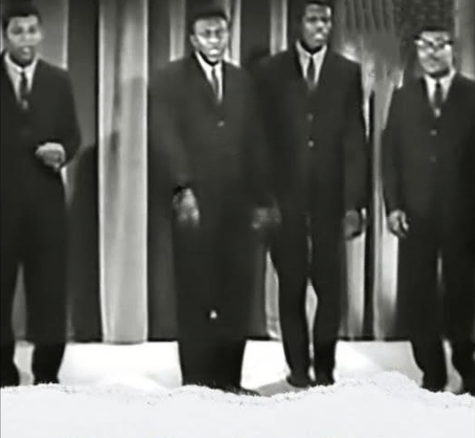
The Five Satins’ “In the Still of the Night”: The Story Behind a Timeless Doo-Wop Classic
How a Simple Recording Helped Create One of the Most Recognizable Love Songs of the 1950s
Some songs remain popular long after the era in which they were created. Their melodies become familiar to new generations, their harmonies evoke memories of another time, and their place in music history continues to grow. The Five Satins’ “In the Still of the Night” is one such recording, widely associated with the golden age of doo-wop and the romantic sound of 1950s American popular music.
Released in 1956, the song became known for its expressive lead vocal, layered harmonies, and gentle musical arrangement. Its sound captured an important part of the doo-wop tradition, a style built around vocal groups, repeated melodic phrases, and the interaction between a lead singer and supporting voices.
The recording is also remembered for its unusual origin story. The Five Satins recorded the song in the basement of a church in Connecticut, using a relatively modest setting rather than a large commercial recording studio. That detail has become an important part of the song’s history and illustrates how memorable music can emerge from unexpected circumstances.
Over the decades, “In the Still of the Night” has continued to reach listeners through oldies radio, compilation albums, films, television, and performances celebrating the music of the 1950s. Its enduring popularity demonstrates how a recording can remain meaningful even as musical tastes and recording technology change.
The story behind the song offers an opportunity to explore the people who created it, the musical culture that shaped it, and the reasons doo-wop continues to attract listeners today.
1. The Musical World of the 1950s
To understand the importance of “In the Still of the Night,” it helps to look at the musical environment in which it appeared.
The 1950s were a period of significant change in American popular music. Rhythm and blues, gospel, country, jazz, and emerging forms of rock and roll influenced one another, creating new sounds that reached audiences through radio, records, live performances, and jukeboxes.
Vocal groups became particularly popular during this period. Rather than relying entirely on instruments, these performers used their voices to establish the rhythm, support the melody, and create harmonies that gave their recordings a distinctive character.
Doo-wop was one of the styles that developed within this environment. It became closely associated with small vocal groups whose arrangements often included a prominent lead singer, supporting harmonies, bass vocals, and rhythmic syllables that imitated or complemented instruments.
The result could be simple in structure but expressive in performance. A memorable melody, a carefully balanced set of harmonies, and a convincing vocal delivery were often enough to make a recording stand out.
“In the Still of the Night” became one of the best-known examples of this approach.
The Rise of Vocal Harmony Groups
Vocal harmony groups were an important part of the music scene in the years following World War II. Many formed through friendships, schools, neighborhoods, churches, and local community networks.
Members often learned to sing together through practice rather than formal conservatory training. They developed their arrangements by listening carefully to one another, repeating phrases, and finding ways to blend their voices.
This community-based approach helped create a wide variety of styles. Some groups favored upbeat rhythm and blues, while others focused on slower songs about affection, relationships, and youthful experiences.
The Five Satins became associated with the latter approach through their best-known recording.
The group’s sound combined a clear lead vocal with supporting voices that gave the song depth without overwhelming its central melody. That balance helped the recording appeal to listeners who enjoyed both rhythm and blues and the developing rock-and-roll sound.
Why Doo-Wop Became So Memorable
Doo-wop often used familiar musical structures that made songs easy to follow and remember.
Repeated vocal patterns created a rhythmic foundation, while the lead singer carried the main melody. Supporting singers could answer phrases, sustain notes, or add brief vocal sounds that reinforced the mood.
These techniques allowed groups to create a rich sound without requiring large orchestras or elaborate arrangements.
For listeners, the combination could feel personal and immediate. The voices sounded as though a group of people were sharing a musical moment together.
That quality became one of the defining characteristics of the genre and remains an important part of its appeal.
2. Who Were the Five Satins?
The Five Satins were an American vocal group associated with New Haven, Connecticut. The group became widely recognized through “In the Still of the Night,” a recording that helped establish its place in the history of doo-wop.
The group’s most familiar early lineup included Fred Parris, Lewis Peeples, Jim Freeman, Ed Martin, and Roosevelt Gunter. As with many vocal groups of the period, membership and performing arrangements changed over time.
Fred Parris was especially important to the group’s identity. He served as the lead singer and wrote “In the Still of the Night,” combining songwriting with a vocal performance that became closely associated with the recording.
His delivery gave the song a personal quality. Instead of relying on an elaborate instrumental arrangement, the performance centered on the melody and the relationship between the lead voice and the backing harmonies.
The supporting singers helped establish the atmosphere that made the recording distinctive. Their voices added structure and continuity, allowing the lead vocal to remain at the center of the song.
The Importance of Group Chemistry
Vocal harmony depends on more than having several good singers in the same room. Each member must understand the role of their part and how it relates to the other voices.
A bass singer may provide a low foundation, while other members supply middle harmonies or higher notes. The lead singer must remain clear enough to communicate the melody without making the overall arrangement feel disconnected.
When these elements work together, the group creates a unified sound that is greater than the sum of its individual parts.
The Five Satins’ recording demonstrates this principle. Its appeal comes not only from the lead vocal but also from the way the supporting voices help maintain the song’s atmosphere.
This balance is one reason vocal-group recordings continue to interest singers, musicians, and listeners who appreciate harmony-based music.
3. The Story of the Church Basement Recording
One of the most frequently remembered details about “In the Still of the Night” is where it was recorded.
Rather than being made in a large, purpose-built commercial studio, the recording took place in the basement of St. Bernadette Church in New Haven, Connecticut.
The setting has become part of the song’s identity because it contrasts with the sophisticated recording facilities associated with many major music productions today.
In the 1950s, independent record labels and emerging artists often worked with limited budgets. Recording opportunities could involve modest spaces, locally available equipment, and creative solutions to practical problems.
A basement could provide a place for a group to gather and perform, although its sound characteristics would differ from those of a modern recording studio.
The recording’s history illustrates how musicians could work with the resources available to them while concentrating on performance, arrangement, and the musical idea itself.
The Sound of a Modest Recording Space
A recording environment influences how voices and instruments are captured. Room size, surface materials, microphone placement, and the equipment being used can all affect the resulting sound.
A basement may have a different acoustic character from a purpose-built studio. Depending on its construction, it can produce reflections, a sense of closeness, or other characteristics that become part of the recorded performance.
However, it would be inaccurate to assume that every quality heard in a historic recording comes directly from the room. Microphones, recording equipment, mixing decisions, and later transfers also influence how a song sounds.
In the case of “In the Still of the Night,” the basement setting is an important historical detail, but the performance itself remains central to the recording’s appeal.
The singers’ phrasing, their coordination, and the arrangement all contributed to the final result.
Why the Recording Story Matters
Music history often highlights famous studios, expensive equipment, and large production teams. The story of this recording offers a different perspective.
It reminds listeners that important musical work can emerge from local communities and relatively modest environments.
The setting also reflects the independent music culture of the period, when smaller labels could introduce performers to audiences without the resources of the largest record companies.
Although the circumstances surrounding a recording can add to its historical interest, a memorable song ultimately needs qualities that connect with listeners. In this case, the melody and vocal harmonies helped the recording move beyond its original setting and reach audiences far beyond Connecticut.
4. Fred Parris and the Creation of the Song
Fred Parris wrote “In the Still of the Night,” and his role as songwriter and lead singer helped shape the recording’s distinctive character.
The song belongs to a tradition of romantic ballads that focus on intimate feelings rather than elaborate storytelling. Its central idea is expressed through a melodic vocal performance and an arrangement that allows the emotion of the song to remain in the foreground.
Parris’s songwriting demonstrates how a relatively direct musical idea can become memorable through repetition, phrasing, and carefully arranged harmony.
A song does not necessarily need a complicated structure to make a lasting impression. Sometimes, the way a melody is delivered and supported by other voices matters more than the number of musical elements involved.
The Relationship Between Lyrics and Melody
In a romantic ballad, the melody often shapes how listeners interpret the words.
A gentle phrase may create a reflective mood, while a sustained note can give a line greater emphasis. Repeated melodic patterns help establish familiarity, allowing listeners to recognize the song after only a short passage.
The supporting harmonies can reinforce that effect by providing a stable musical foundation.
“In the Still of the Night” uses these qualities to create a consistent atmosphere. The lead singer remains the focal point, while the other voices help frame the melody.
This approach was well suited to the doo-wop style, where the interaction between individual expression and group harmony was a defining feature.
A Song That Could Travel Across Generations
When a song has a recognizable melody and a clear emotional theme, it can remain accessible to listeners who were not alive when it was first released.
Younger listeners may discover it through a film or an oldies playlist, while older listeners may associate it with memories of radio programs, dances, or early musical experiences.
The circumstances of those discoveries differ, but the recording itself provides a shared point of reference.
That ability to reach people across generations is one of the reasons the song remains part of discussions about classic vocal-group music.
5. The Musical Structure Behind Its Appeal
The appeal of “In the Still of the Night” is closely connected to its arrangement.
Doo-wop often places several musical responsibilities on the singers. Their voices carry the melody, supply harmony, maintain rhythmic movement, and create the atmosphere that instruments might provide in other styles.
This requires coordination and a clear understanding of the arrangement.
The Lead Vocal
The lead singer is responsible for communicating the central melody. Timing, tone, pronunciation, and phrasing all influence how the performance is received.
A strong lead vocal does not necessarily need to be technically elaborate. It needs to suit the song and work naturally with the supporting voices.
Fred Parris’s performance became a defining feature of the recording because it gives the melody a clear center.
The Supporting Harmonies
The backing singers add musical depth and create a sense of continuity.
Their parts can support the lead singer, reinforce important phrases, and establish a distinctive sound that listeners recognize throughout the song.
Harmony also changes how a melody feels. A single voice may sound direct and personal, while several voices singing together can create a sense of warmth and fullness.
In doo-wop, this interaction between lead and backing vocals is particularly important.
Rhythm and Repetition
Repeated musical patterns help listeners follow a song and remember its central ideas.
In vocal-group music, rhythmic syllables and recurring harmony patterns can provide movement even when the instrumental accompaniment is relatively restrained.
Repetition also creates familiarity. When a musical phrase returns, listeners begin to anticipate it, making the song easier to recognize and sing along with.
These elements help explain why the recording remains accessible decades after its original release.
6. The Release and Early Reception
“In the Still of the Night” was released in 1956 on the independent label Standord Records, associated with the New Haven music scene. The recording became the Five Satins’ signature song and earned a lasting place in the doo-wop repertoire.
Independent labels played an important role in introducing vocal groups during the 1950s. Many operated on a smaller scale than the major record companies, but they helped bring regional performers to a wider audience.
A successful single could travel through radio airplay, record shops, jukeboxes, and word of mouth.
For vocal groups, these channels were especially important. Listeners could hear a song repeatedly, recognize its harmonies, and develop an attachment to the recording.
The Five Satins’ song benefited from qualities that worked well in this environment: a memorable melody, a distinctive vocal arrangement, and a style that suited the romantic ballads popular with many listeners.
Independent Labels and Local Music Scenes
Independent record labels were often closely connected to the communities in which artists performed.
Local clubs, neighborhood events, schools, and community gatherings could provide opportunities for singers to develop their sound and gain experience.
Record producers and label owners sometimes worked with limited equipment and budgets, making practical decisions about recording schedules, arrangements, and distribution.
This environment encouraged a wide variety of musical approaches.
The success of certain independent releases showed that audiences could respond strongly to recordings that did not originate from the largest entertainment companies.
The Five Satins’ story is part of that broader history of local musical talent reaching listeners beyond its original region.
7. Doo-Wop and the Culture of the 1950s
Doo-wop was more than a particular vocal technique. It was also part of a wider social and musical environment that shaped the development of American popular music.
Vocal groups often formed among friends and neighbors, and their performances reflected the communities in which they grew up.
The genre drew on earlier traditions of gospel and rhythm and blues while developing a distinctive popular sound. Its emphasis on vocal blending allowed groups to create memorable performances with relatively small ensembles.
Community and Collaboration
Many doo-wop groups relied on close collaboration. Members needed to practice together, learn their parts, and coordinate their performances.
The process could involve experimenting with harmonies, adjusting the arrangement, and listening carefully to how the voices blended.
These activities helped create a group identity. Even when individual members changed, the musical approach could remain recognizable.
The collaborative nature of the style is one reason it continues to attract performers. Singing in a group requires listening, timing, and the ability to balance an individual part with the larger arrangement.
The Influence of Rhythm and Blues
Rhythm and blues played an important role in the development of doo-wop. Its vocal phrasing, rhythmic patterns, and expressive performance traditions helped shape the sound of many groups.
Doo-wop also developed alongside early rock and roll, sharing audiences and musical influences with the emerging style.
These genres were not completely separate categories. Musicians borrowed ideas from one another, and listeners often enjoyed recordings that crossed stylistic boundaries.
The result was a dynamic musical environment in which vocal groups could combine familiar traditions with new approaches.
“In the Still of the Night” became one of the recordings associated with this period of change.
8. Why Romantic Ballads Remain Popular
Romantic songs have been part of popular music for generations. They can express affection, longing, reflection, and the desire to preserve meaningful moments.
Although musical styles change, these subjects remain familiar to many listeners.
A romantic ballad can also provide an opportunity for performers to focus on the details of a vocal performance. The singer may use subtle changes in volume, timing, and phrasing to communicate the meaning of a line.
When supported by a carefully arranged harmony, these details can create a memorable musical experience.
Simplicity and Emotional Connection
A direct melody can sometimes be easier to remember than a complicated musical structure.
Listeners may recognize a song after hearing only a few notes, particularly when the arrangement has a distinctive rhythm or vocal pattern.
Simplicity does not necessarily mean a lack of skill. Creating an effective arrangement often requires deciding which musical elements to include and which to leave out.
In vocal-group music, every voice must serve a purpose. Too much activity can distract from the lead melody, while too little support may leave the arrangement feeling incomplete.
The balance between these elements helps explain why some songs remain satisfying after repeated listening.
Nostalgia and Personal Memories
Music can become associated with particular periods of life.
A song heard during adolescence might later remind someone of friends, family gatherings, a school dance, or a memorable journey.
The association is personal, and different listeners may connect the same recording with different experiences.
For people who remember the 1950s and 1960s, doo-wop may evoke the music they heard growing up. For younger audiences, the same recording may offer a glimpse into an earlier musical era.
The song’s continuing presence in playlists and media allows these different experiences to overlap.
9. The Song’s Place in Film and Popular Culture
Classic songs often find new audiences when they appear in movies, television programs, documentaries, and compilation albums.
A recording that was popular in one decade can be introduced to another generation through a scene that uses the music to establish a period, create a mood, or connect characters with a particular setting.
“In the Still of the Night” has remained recognizable partly because it has continued to circulate beyond its original release.
The song has also been associated with the broader culture of oldies music, where recordings from the 1950s and early 1960s are presented alongside other familiar vocal-group performances.
Introducing Older Music to New Listeners
When a classic song appears in a film or television program, viewers may seek out the complete recording afterward.
Streaming services have made this process easier by allowing listeners to move from a short musical excerpt to a full track or a collection of related songs.
Playlists dedicated to doo-wop, early rock and roll, and classic love songs can also help people discover recordings they might not encounter through contemporary radio.
This process creates a connection between the original musical period and modern listening habits.
Music as a Link Between Generations
Families sometimes share music across generations, introducing younger relatives to songs that were important during their own youth.
These exchanges can lead to conversations about earlier decades, changes in musical technology, and the ways people discovered new recordings before digital services existed.
For younger listeners, an older recording can provide a different perspective on how popular music developed.
For longtime fans, hearing a familiar song may renew interest in the performers and recording history behind it.
“In the Still of the Night” is well suited to this kind of discovery because its vocal arrangement remains distinctive even when heard outside its original historical context.
10. The Difference Between the Original Recording and Later Versions
A song that becomes popular may be performed by many other artists over time.
Covers allow musicians to reinterpret a composition using different voices, instruments, rhythms, or production techniques.
Some versions remain close to the original arrangement, while others change the tempo or emphasize different aspects of the melody.
These differences can provide useful insight into the structure of a song. A composition that works in several arrangements often contains a strong melodic foundation.
However, the original recording has its own historical identity. Its performers, recording conditions, and musical choices distinguish it from later interpretations.
Why Listeners Compare Recordings
Comparing versions of a song can reveal how performance decisions affect the listening experience.
One singer might deliver the melody in a restrained style, while another may use a more dramatic approach. An instrumental arrangement might emphasize rhythm, while a vocal-group version places harmony at the center.
Neither approach necessarily replaces the other. Each interpretation offers a different perspective on the same composition.
For “In the Still of the Night,” the Five Satins’ version remains especially important because it established the recording’s original identity and helped make the song widely known.
Later performances can introduce the composition to new audiences, but the original continues to provide a reference point for understanding its place in doo-wop history.
11. What Makes a Classic Recording Last?
Not every popular song remains familiar for decades. Musical trends change, recording formats evolve, and audiences discover new artists every year.
A recording that continues to attract listeners often benefits from a combination of factors.
These may include a memorable melody, a distinctive performance, effective production, continued distribution, and opportunities to reach new audiences.
Historical importance can also play a role. A song associated with a recognizable musical movement may remain part of collections, radio programs, and educational discussions about popular music.
A Recognizable Musical Identity
A strong musical identity helps listeners distinguish one recording from another.
For a vocal-group song, that identity may come from the lead singer’s voice, the arrangement of the backing harmonies, or a recurring melodic phrase.
“In the Still of the Night” is recognizable for its combination of lead vocal and supporting voices, a sound that connects it closely with the doo-wop tradition.
Continued Availability
Older music must remain accessible if new generations are to discover it.
Reissues, compilations, digital releases, radio programming, and licensed appearances in media can help preserve recordings within the broader music landscape.
These channels also allow listeners to explore related artists and learn more about the period in which a song was recorded.
Availability alone does not guarantee lasting popularity, but it creates opportunities for a recording to be heard again.
A Connection to Musical History
Classic songs often serve as examples of a particular period’s musical style.
“In the Still of the Night” provides a recognizable example of the vocal-group sound associated with 1950s doo-wop.
Its history connects local music-making, independent record labels, romantic songwriting, and the development of American popular music.
That combination gives the recording significance beyond its initial commercial release.
12. The Legacy of the Five Satins
The Five Satins are remembered primarily for “In the Still of the Night,” a song that became a defining recording of their career.
Its continued recognition has helped preserve the group’s place in discussions of classic vocal harmony.
For music historians and enthusiasts, the recording offers a useful example of how a group can create a distinctive sound through the coordination of several voices.
It also illustrates the importance of songwriting. Fred Parris’s composition gave the group a memorable musical framework, while the performance helped bring that framework to life.
Influence on Vocal Performers
Singers who study doo-wop can learn from the way the song balances its parts.
The lead vocal carries the central melody, while the backing singers establish a supporting structure. Timing and phrasing allow the different voices to work together without competing for attention.
These principles remain relevant to contemporary vocal groups, a cappella ensembles, and musicians exploring older popular styles.
The recording also demonstrates that a memorable performance does not always depend on a large instrumental arrangement.
Preserving the Music of an Earlier Era
Recordings from the 1950s provide a historical record of changing musical tastes and production methods.
They reveal how artists worked with the technology available at the time and how independent labels contributed to popular music.
Preserving these recordings allows listeners to compare different periods and understand the musical influences that shaped later genres.
For people interested in the history of rock and roll, rhythm and blues, or vocal harmony, the Five Satins’ recording remains a valuable point of reference.
13. How to Listen to “In the Still of the Night” Today
One way to appreciate the song is to listen closely to its individual musical elements.
Rather than treating the recording simply as background music, listeners can pay attention to how the lead voice interacts with the supporting singers.
Notice the melody’s phrasing, the rhythm created by the arrangement, and the way repeated musical patterns help maintain the song’s identity.
Listening through headphones may make it easier to notice details in the voices and accompaniment, although the experience can vary depending on the recording version and audio transfer.
Listen to the Harmonies
Try focusing on the backing vocals rather than the lead singer.
The supporting parts help create the song’s atmosphere and demonstrate the coordination required for effective doo-wop performance.
Pay attention to how the harmony supports the melody without overwhelming it.
Explore the Historical Context
Listening to other recordings from the same period can provide a broader understanding of the genre.
Comparing different vocal groups may reveal variations in bass lines, rhythmic patterns, lead vocal styles, and harmony arrangements.
It can also help listeners recognize how doo-wop overlapped with rhythm and blues and early rock and roll.
Compare Different Listening Formats
Older recordings may be available in original releases, reissues, compilation albums, and digitally remastered editions.
The sound can vary between versions because of differences in the source material and transfer methods.
Listeners interested in music history may enjoy comparing editions, while casual listeners may simply prefer the version that sounds clearest on their equipment.
Regardless of format, the original performance remains the central part of the song’s appeal.
14. Why the Story Still Resonates
The history of “In the Still of the Night” combines several elements that continue to interest music fans.
There is the story of a local vocal group, a songwriter who also performed the lead part, a recording made in a modest church basement, and a melody that traveled far beyond its original community.
Each element provides a different perspective on how music is created and remembered.
The recording’s setting makes its history distinctive, but its continued recognition depends on the music itself.
Listeners continue to respond to the arrangement, the vocal performance, and the atmosphere created by the combination of voices.
The song also offers a reminder that music history is not made only by the largest artists or most expensive studios. Independent musicians and small labels have played important roles in shaping popular culture.
A recording can begin in a local setting and eventually become part of a much wider musical tradition.
Conclusion: A Doo-Wop Recording That Continues to Find New Listeners
The Five Satins’ “In the Still of the Night” remains an important example of the vocal harmony style that helped define 1950s doo-wop.
Written by Fred Parris and recorded in the basement of St. Bernadette Church in New Haven, Connecticut, the song brought together a memorable melody, expressive lead singing, and supporting harmonies that created a distinctive musical identity.
Its history reflects the wider development of American popular music during a period when independent labels and local vocal groups helped introduce new sounds to audiences.
Over time, the recording has remained accessible through oldies programming, collections, film and television appearances, and modern listening services. These opportunities have allowed people who were not alive during its original release to discover the song for themselves.
Its continuing appeal also demonstrates the lasting value of musical collaboration. The interaction between the lead singer and the supporting voices creates a sound that is recognizable without requiring an elaborate arrangement.
For longtime fans, the song may bring back personal memories or evoke the musical culture of an earlier era. For newer listeners, it offers an introduction to a style that helped shape the development of popular music.
More than a recording associated with a particular decade, “In the Still of the Night” stands as an example of how songwriting, vocal performance, and historical circumstances can come together to create a lasting musical legacy.
Its story continues to offer something for listeners interested in the Five Satins, the history of doo-wop, and the enduring place of classic love songs in popular culture.