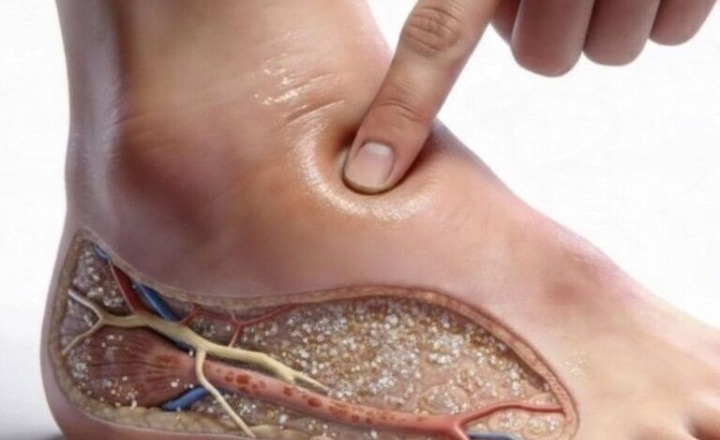
Swollen Feet and Ankles: Common Causes, Helpful Measures, and When to Seek Medical Advice
Swollen feet and ankles are a common concern that can affect people of many ages. Sometimes the swelling appears after spending several hours standing, sitting, traveling, exercising, or being exposed to warm weather. In other situations, persistent swelling may be associated with an underlying medical condition, medication, injury, or changes in circulation.
The medical term for swelling caused by excess fluid in body tissues is edema. It can occur in one foot or ankle, or affect both sides. The amount of swelling can also vary throughout the day. Some people notice that their feet look relatively normal in the morning but become more swollen by the evening.
Although swollen feet are often caused by relatively simple factors, it is important not to assume that every case has the same explanation. The most appropriate response depends on how long the swelling has been present, whether it affects one or both legs, whether other symptoms are present, and a person’s overall health.
Understanding the possible causes can make it easier to decide what simple measures may be helpful and when professional medical advice is appropriate.
What Causes Swollen Feet?
Swelling develops when excess fluid accumulates in the tissues. Under normal circumstances, blood vessels, lymphatic vessels, muscles, and other systems work together to keep fluid moving through the body.
When that balance changes, fluid can collect in areas such as the feet, ankles, and lower legs.
Gravity plays an important role. When a person spends a long time standing or sitting, fluid can naturally move toward the lower parts of the body. This is one reason why mild swelling may become more noticeable later in the day.
Other possible causes include:
- Sitting or standing for extended periods
- Long-distance travel
- Warm weather
- Physical activity
- Minor injuries
- Pregnancy
- Certain medications
- Changes associated with aging
- Venous circulation problems
- Lymphatic system problems
- Kidney conditions
- Heart conditions
- Liver conditions
- Blood clots
- Infections
- Other medical conditions
Because the causes are so varied, swelling itself does not provide enough information to determine what is happening.
Temporary Swelling Is Often Related to Daily Habits
One of the most common patterns is swelling that develops after a long period of inactivity.
For example, someone who spends most of a workday sitting at a desk may notice that their shoes feel tighter in the afternoon. Similarly, people who work on their feet for many hours may experience swelling around the ankles by the end of a shift.
Long periods of travel can produce a similar effect. Sitting in the same position for hours can reduce the normal movement of the leg muscles, which normally helps encourage blood and fluid movement through the lower limbs.
In these situations, changing position regularly and moving the legs can sometimes help reduce mild swelling.
However, persistent or recurrent swelling should not automatically be attributed to sitting or standing. If it continues despite reasonable lifestyle changes, discussing it with a healthcare professional can help determine whether another explanation should be considered.
Why Elevating Your Feet May Help
One simple measure that may help with mild swelling is elevating the feet and legs.
When the legs are raised, gravity can assist the movement of fluid away from the lower extremities. Some people find it comfortable to lie down and place their legs on pillows or another stable support.
The goal is not to force the legs into an uncomfortable position. Instead, the feet can be gently elevated while the person rests.
Elevation may be particularly useful after spending a long day standing or sitting.
However, it should be viewed as a supportive measure rather than a universal treatment. If swelling is caused by an underlying medical condition, elevating the feet may not address the primary cause.
Gentle Movement Can Support Circulation
Regular movement is another practical habit that may help people who experience mild swelling related to inactivity.
Walking activates the muscles of the legs, which can assist normal circulation. Even short periods of movement throughout the day may be preferable to remaining in the same position for several hours.
For people who sit for long periods, simple movements can include:
- Standing up regularly
- Taking short walks
- Moving the ankles
- Flexing and extending the feet
- Changing sitting positions
- Avoiding long periods with the legs completely still
People who stand for long periods can also benefit from changing positions and taking appropriate breaks when possible.
The exact amount and type of exercise that is appropriate depends on a person’s age, fitness level, mobility, and medical history.
Compression Socks May Be Useful for Some People
Compression garments are sometimes recommended for certain types of lower-leg swelling. They apply gentle pressure to the legs and can support the movement of fluid and blood through the lower extremities.
Compression socks are commonly used in situations involving prolonged standing, travel, or certain circulation-related conditions.
However, they are not appropriate for everyone.
People with certain arterial circulation problems or other medical conditions may need professional advice before using compression garments. Choosing an inappropriate level of compression can also cause problems.
For this reason, anyone with unexplained, significant, or persistent swelling should consider asking a healthcare professional whether compression socks are suitable before relying on them as a regular solution.
Staying Hydrated Still Matters
It may seem unusual to suggest drinking fluids when swelling involves excess fluid, but normal hydration is still important for overall health.
The body needs adequate fluids for circulation, temperature regulation, digestion, and many other functions. Drinking less water than necessary does not automatically resolve edema.
In fact, trying to dramatically restrict fluids without medical guidance can be inappropriate for some people.
People with certain heart, kidney, or other medical conditions may receive specific instructions about fluid intake from their healthcare team. Those instructions should take priority over general advice.
The best approach is usually to maintain appropriate hydration according to individual health needs rather than attempting extreme fluid restriction.
Pay Attention to Sodium Intake
Diet can also influence fluid balance.
Sodium is an essential mineral, but consuming large amounts can contribute to fluid retention in some people. Many people consume sodium through processed foods, packaged meals, restaurant foods, sauces, snacks, and other products.
Reducing excessive sodium intake may be helpful for some individuals, particularly when recommended as part of a broader dietary plan.
This does not mean that everyone with swollen feet needs to completely eliminate salt.
Sodium is an important nutrient, and dietary needs vary from person to person. People with medical conditions that affect fluid balance may receive individualized dietary recommendations from their healthcare professionals.
Instead of following extreme dietary advice, it is generally more useful to focus on an overall balanced eating pattern and pay attention to foods that are particularly high in sodium.
Warm Weather Can Make Swelling More Noticeable
Heat can contribute to swelling in the feet and ankles.
During hot weather, blood vessels near the skin can expand as the body attempts to regulate temperature. This can influence fluid movement and make swelling more noticeable, particularly in the lower limbs.
Some people notice that their rings, shoes, or socks feel tighter during particularly warm days.
Mild swelling associated with heat may improve as the body cools and normal activity resumes.
Even so, unusual or significant swelling should not automatically be blamed on weather, especially when other symptoms are present.
Pregnancy Can Cause Swollen Feet
Swelling in the feet and ankles is also relatively common during pregnancy.
Changes in circulation, hormones, body fluid levels, and pressure from the growing uterus can contribute to swelling in the lower extremities.
Mild swelling that develops gradually can be a normal part of pregnancy for many people.
However, sudden or pronounced swelling during pregnancy deserves medical attention, particularly if it is accompanied by symptoms such as a severe headache, vision changes, significant abdominal pain, shortness of breath, or other concerning changes.
Pregnancy-related swelling should therefore be evaluated in context rather than automatically considered harmless.
Certain Medications Can Contribute to Swelling
Some medications can cause fluid retention or contribute to swelling in the legs and feet.
Examples may include certain blood-pressure medications, anti-inflammatory drugs, hormones, and other prescription medicines.
If swelling begins after starting a new medication or changing a dose, it is reasonable to mention the change to the prescribing healthcare professional.
Medication should not be stopped suddenly without professional guidance unless a healthcare professional has specifically instructed the person to do so.
A doctor or pharmacist can determine whether a medication could be contributing to the swelling and whether an alternative approach should be considered.
When Swelling May Be Related to Veins
The veins in the legs have the important job of carrying blood back toward the heart.
Because the legs are below the heart, this process works against gravity. Valves within the veins help keep blood moving in the appropriate direction.
When the veins do not move blood efficiently, pressure can build in the lower legs and contribute to swelling.
This type of circulation problem may also be associated with:
- Aching or heaviness in the legs
- Visible veins
- Changes in the skin
- Discomfort after prolonged standing
- Swelling that becomes more noticeable later in the day
A healthcare professional can evaluate these symptoms and determine whether venous circulation problems may be involved.
Kidney Health and Swelling
The kidneys help regulate fluid, electrolytes, and waste products in the body.
When kidney function is significantly affected, the body may have difficulty maintaining normal fluid balance. This can sometimes contribute to swelling in the feet, ankles, legs, hands, or other parts of the body.
However, swollen feet alone do not establish that someone has kidney disease.
Kidney problems can develop for many reasons, and they are usually evaluated using medical history, blood tests, urine tests, blood-pressure measurements, and other appropriate assessments.
People who have risk factors for kidney disease, such as diabetes or high blood pressure, may benefit from routine medical monitoring even when they do not have obvious symptoms.
Heart Conditions Can Also Affect Fluid Balance
The heart and circulatory system play an important role in maintaining normal blood flow.
Certain heart conditions can affect circulation and contribute to fluid accumulation in the legs and feet.
Swelling related to heart problems may occur alongside other symptoms, such as shortness of breath, reduced exercise tolerance, unusual fatigue, or difficulty breathing when lying down.
These symptoms should not be ignored.
Someone who develops new swelling together with breathing difficulties or chest symptoms should seek prompt medical evaluation rather than attempting to manage the swelling at home.
Liver Conditions Are Another Possible Cause
The liver performs many important functions, including producing proteins involved in maintaining fluid balance.
Certain advanced liver conditions can contribute to fluid accumulation in the abdomen or lower extremities.
As with kidney and heart conditions, swelling is not enough to identify a liver problem on its own.
A healthcare professional may consider the person’s medical history, examination findings, laboratory testing, and other information when determining whether further investigation is necessary.
One Swollen Foot Versus Both Feet
The pattern of swelling can provide useful information.
When both feet and ankles become mildly swollen, common explanations can include prolonged sitting or standing, heat, pregnancy, medication effects, and certain systemic conditions.
When swelling occurs primarily on one side, however, different causes may need to be considered.
For example, one-sided swelling can occur after an injury or infection. It can also sometimes be associated with a blood clot.
Sudden swelling in one leg, particularly when accompanied by pain, warmth, redness, or tenderness, deserves prompt medical evaluation.
What About a Blood Clot?
A blood clot in a deep vein, known as deep vein thrombosis, can cause swelling in one leg.
Other possible symptoms include pain, tenderness, warmth, or a change in skin color.
Not every case of leg swelling is caused by a blood clot, but the possibility is important because a clot can require urgent medical treatment.
A person who develops sudden, unexplained swelling in one leg should seek medical advice promptly, especially if other symptoms are present.
If leg swelling occurs together with sudden chest pain, significant difficulty breathing, coughing up blood, fainting, or another serious symptom, emergency medical care is appropriate.
Skin Changes Should Not Be Ignored
Swelling can sometimes be accompanied by changes in the skin.
Depending on the underlying cause, the skin may become stretched, dry, discolored, irritated, or unusually firm.
In some cases, prolonged swelling can make the skin more vulnerable to irritation or infection.
People who notice persistent swelling together with significant skin changes should discuss the symptoms with a healthcare professional.
Can Massage Reduce Swelling?
Gentle massage is sometimes promoted as a way to move fluid away from swollen areas.
Some forms of specialized lymphatic drainage are performed by trained professionals for particular medical conditions.
However, self-massage is not appropriate for every cause of swelling.
For example, unexplained swelling could potentially be related to an infection, blood clot, injury, or another condition for which massage may not be suitable.
It is therefore better to identify the likely cause before using massage as a treatment strategy.
Be Careful With Unproven “Detox” Remedies
Swollen feet can make people search for quick solutions online.
This has created a large market for teas, supplements, foot baths, cleanses, and other products advertised as ways to remove excess fluid from the body.
Many of these claims are not supported by strong evidence.
Some products marketed as natural diuretics or “detox” solutions may also interact with medications or affect electrolyte levels.
A product being labeled natural does not automatically mean it is appropriate or risk-free.
People who have recurring swelling should focus on identifying the underlying cause rather than relying on an unproven quick fix.
Avoid Extreme Fluid Restriction
One common misunderstanding is that someone with swollen feet should drastically reduce water consumption.
That approach can be inappropriate and potentially harmful.
Fluid requirements vary depending on factors such as body size, activity, climate, age, and medical conditions.
Some individuals with specific medical conditions may be given fluid restrictions by their healthcare professionals, but that is different from independently deciding to consume very little water.
Unless a healthcare professional has recommended a specific fluid restriction, extreme dehydration strategies should be avoided.
Footwear Can Make Swelling More Uncomfortable
Swelling can change the way shoes fit.
Shoes that are comfortable in the morning may feel tight later in the day if the feet become larger.
Wearing footwear that provides adequate room and does not create excessive pressure can make everyday activities more comfortable.
People who experience frequent swelling may find it useful to assess their footwear at different times of the day.
Socks can also leave deeper marks around swollen ankles when they are particularly tight.
If footwear suddenly becomes difficult to wear because of unexplained swelling, it may be worth paying attention to how often the problem occurs and whether other symptoms accompany it.
Keeping a Simple Symptom Record Can Be Helpful
When swelling occurs repeatedly, keeping track of the pattern can provide useful information.
A simple record might include:
- When the swelling begins
- Whether it affects one foot or both
- Whether it is worse in the morning or evening
- How long it lasts
- Whether it follows prolonged sitting or standing
- Recent travel
- Changes in exercise
- Changes in medication
- Dietary changes
- Any associated pain
- Skin changes
- Shortness of breath or other symptoms
This information can help a healthcare professional understand the pattern.
It can also make it easier to identify whether certain activities or circumstances consistently coincide with the swelling.
When Should You Contact a Healthcare Professional?
Not every case of swollen feet requires urgent care, but persistent or unexplained swelling deserves attention.
Consider arranging a medical evaluation if:
- Swelling continues for several days without an obvious explanation
- It keeps returning
- The swelling is gradually becoming more pronounced
- One leg is significantly more swollen than the other
- There is unexplained pain or tenderness
- The skin becomes unusually red or warm
- There are persistent skin changes
- You have a known heart, kidney, liver, or circulation condition
- You recently started a medication and then developed swelling
- You are pregnant and notice sudden or significant changes
- Swelling is interfering with normal walking or daily activities
A healthcare professional can determine whether examination or testing is appropriate.
When Swollen Feet Need Urgent Attention
Some combinations of symptoms should receive prompt medical attention.
Seek urgent care for sudden swelling accompanied by significant pain, redness, warmth, or tenderness, particularly when one leg is affected.
Emergency medical care may be necessary when swelling occurs with symptoms such as:
- Sudden difficulty breathing
- Chest pain
- Fainting
- Severe weakness
- Coughing up blood
- Severe or rapidly worsening symptoms
These symptoms can have multiple possible causes, but some require immediate evaluation.
The safest approach is not to try to determine the diagnosis at home when serious symptoms appear.
What a Medical Evaluation May Involve
When someone seeks medical advice for persistent swelling, the evaluation may begin with questions about the timing and pattern of symptoms.
A healthcare professional may ask whether the swelling affects one or both legs, whether it changes throughout the day, whether there has been recent travel or injury, and whether any medications have changed.
A physical examination may also assess the skin, circulation, pulses, and areas of tenderness.
Depending on the situation, additional testing may be recommended.
Possible tests can include blood tests, urine tests, imaging studies, heart-related evaluations, or vascular testing.
The specific tests depend on the person’s symptoms and medical history.
There is no single test that is appropriate for every person with swollen feet.
Why Self-Diagnosis Can Be Misleading
Searching for symptoms online can provide useful general information, but swelling is a particularly broad symptom.
The same