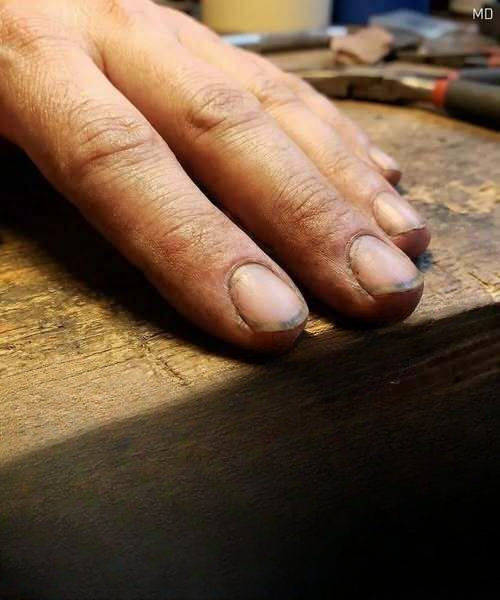
First impressions often happen within seconds. We notice the way someone speaks, dresses, smiles, or even how they present themselves. Among these small details, hands are surprisingly noticeable. Whether during a handshake, while exchanging an item, or simply through everyday interactions, our hands often attract attention.
Because of this, people sometimes make quick assumptions based on appearance alone. Fingernails that appear stained or dirty may lead others to form opinions about cleanliness, habits, or lifestyle. However, appearances rarely tell the complete story. There are many everyday reasons why someone’s hands may not look perfectly clean, and understanding those possibilities encourages greater empathy and respect.
Hands Reflect Daily Life
Our hands are among the busiest parts of the body.
They help us work, prepare meals, complete household tasks, care for loved ones, create art, repair equipment, garden, and enjoy hobbies.
As a result, they naturally show signs of everyday activity.
Depending on a person’s occupation or interests, temporary stains, scratches, or discoloration may simply reflect a productive day rather than poor personal hygiene.
Many Jobs Involve Working with Your Hands
Countless professions require direct contact with materials that can leave temporary marks beneath fingernails or on the skin.
Examples include:
- Construction workers
- Mechanics
- Electricians
- Farmers
- Landscapers
- Gardeners
- Painters
- Artists
- Potters
- Carpenters
- Welders
- Plumbers
Even after careful washing, some materials can remain visible until the skin naturally sheds or repeated cleaning removes the residue.
These marks often reflect dedication to skilled work rather than a lack of cleanliness.
Hobbies Can Leave Similar Signs
It’s not only careers that affect the appearance of hands.
Many popular hobbies involve working with soil, paint, wood, clay, or other materials.
Examples include:
- Gardening
- Woodworking
- Sculpting
- Ceramics
- Home improvement projects
- Automotive restoration
- Painting
- Metalworking
People often enjoy these activities because they are creative, relaxing, or rewarding.
Temporary stains may simply be evidence of time spent building, creating, or repairing something meaningful.
Outdoor Activities Can Leave Temporary Marks
Spending time outdoors naturally exposes hands to dirt and other materials.
Activities such as:
- Camping
- Hiking
- Fishing
- Landscaping
- Yard work
- Tree planting
- Community clean-up projects
may all leave traces beneath fingernails despite routine handwashing.
These marks are usually temporary and are often associated with healthy, active lifestyles.
Appearance Doesn’t Always Reflect Hygiene
It is important to distinguish between temporary staining and personal hygiene.
Someone may wash their hands regularly yet still have visible marks after working with soil, grease, paint, or similar materials.
Likewise, perfectly clean hands do not necessarily reveal anything about a person’s character, work ethic, or daily habits.
External appearance offers only a small part of a much larger picture.
Avoiding Quick Assumptions
Making assumptions based on appearance can sometimes lead to unfair judgments.
People come from different backgrounds, professions, and lifestyles.
Before reaching conclusions, it helps to remember that everyone has experiences that may not be immediately visible.
Choosing curiosity instead of criticism encourages more respectful interactions and stronger communities.
The Value of Skilled Trades
Many occupations involving manual labor are essential to everyday life.
Communities rely on skilled professionals to:
- Build homes.
- Repair vehicles.
- Maintain public infrastructure.
- Grow food.
- Restore utilities.
- Install electrical systems.
- Maintain parks.
- Improve neighborhoods.
These careers often involve demanding physical work that naturally affects the appearance of hands.
Recognizing their contributions encourages greater appreciation for the important work they perform.
Teaching Children About Respect
Children often learn how to treat others by observing adults.
Teaching young people not to judge others based solely on appearance helps build empathy from an early age.
Simple conversations about different careers, hobbies, and lifestyles can encourage understanding while reducing stereotypes.
Respect begins with recognizing that every person has a unique story.
Taking Care of Your Hands
Although temporary stains are common, maintaining healthy hands remains important.
Simple hand care habits include:
- Washing hands regularly with soap and water.
- Using a nail brush after outdoor work.
- Moisturizing dry skin.
- Wearing protective gloves when appropriate.
- Trimming fingernails regularly.
- Cleaning beneath nails gently.
These habits support comfort while helping protect the skin during everyday activities.
Appreciating the Stories Our Hands Tell
Hands often reveal the work we do and the experiences we enjoy.
They may show evidence of:
- Building furniture.
- Planting flowers.
- Caring for family.
- Cooking meals.
- Repairing equipment.
- Creating artwork.
- Volunteering in the community.
Rather than viewing every mark as something negative, we can also recognize them as reminders of effort, creativity, and productivity.
Why Empathy Matters
One of the simplest ways to create stronger communities is by approaching others with understanding rather than assumptions.
Most people appreciate being treated fairly and respectfully regardless of their appearance.
Taking a moment to consider alternative explanations before forming opinions encourages more thoughtful interactions and helps build trust between people from different backgrounds.
Final Thoughts
Dirty or stained fingernails do not automatically reveal anything about a person’s character, work ethic, or personal habits. In many cases, they simply reflect a day spent working, creating, repairing, gardening, or enjoying outdoor activities. By looking beyond first impressions and recognizing the many reasons hands may show signs of everyday life, we become more understanding and appreciative of the people around us.
The next time you notice someone’s hands, remember that every mark may represent a story of hard work, creativity, service, or dedication. Choosing empathy over assumptions is a simple habit that helps create more respectful and welcoming communities for everyone.