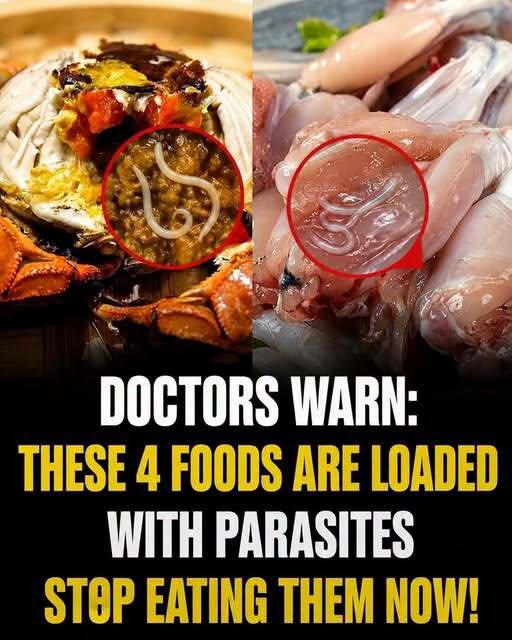
Some foods we eat every day can require a little more attention when it comes to preparation, storage, and cooking.
That doesn’t mean these foods are unsafe.
It also doesn’t mean that eating them will automatically expose you to parasites or other health problems.
However, certain foods can carry microorganisms or parasites when they are contaminated or improperly handled, which is why basic food-safety practices are so important.
The good news is that many potential risks can be greatly reduced by following simple precautions in the kitchen.
Here are four categories of popular foods that deserve particular attention, along with practical ways to handle them safely.
1. Raw or Undercooked Fish
Raw fish is enjoyed in many cuisines around the world, including dishes such as sushi, sashimi, and ceviche.
When properly sourced and handled, these foods can be part of a normal diet.
However, consuming raw or undercooked fish can carry a greater risk of certain parasites and other foodborne hazards than eating fish that has been thoroughly cooked.
This is why the source and preparation method matter.
If you’re preparing fish at home, purchase it from a reputable seller and follow appropriate storage instructions.
Keep seafood properly refrigerated and avoid leaving it at room temperature for extended periods.
Cooking fish thoroughly is one of the simplest ways to reduce many foodborne risks.
If you enjoy raw fish dishes, it’s also worth understanding that restaurants and food suppliers may use specific handling procedures designed for fish intended to be eaten raw.
Rather than assuming that any fish is suitable for raw consumption, check with the seller or restaurant when you have questions.
2. Pork and Other Meats
Pork has been associated with certain parasites historically, although modern food-production practices and proper cooking have significantly reduced many risks in numerous regions.
The key point is that meat should be handled and cooked appropriately.
Raw or undercooked meat can also carry bacteria and other contaminants, so food safety shouldn’t focus exclusively on parasites.
When preparing pork or other meats, avoid cross-contamination.
Use clean utensils and cutting boards.
Wash your hands after handling raw meat.
Keep raw meat separate from foods that are ready to eat.
And most importantly, cook meat according to appropriate food-safety guidance.
A kitchen thermometer can be much more reliable than judging doneness by appearance alone.
The exact safe cooking temperature depends on the type and cut of meat, so consult reliable food-safety guidance when you’re unsure.
3. Fresh Produce
Fresh fruits and vegetables are an important part of a balanced diet, but they still need to be handled properly.
Produce can become contaminated during growing, harvesting, transportation, storage, or preparation.
That doesn’t mean you should avoid fresh produce.
Quite the opposite.
Instead, make washing and proper handling part of your normal kitchen routine.
Rinse fresh produce under clean running water before eating or preparing it, particularly when it will be consumed raw.
For firm produce, a clean produce brush may be useful when appropriate.
Don’t use soap or household cleaning chemicals on food unless a product is specifically designed and approved for that purpose.
It’s also important to remember that washing isn’t a substitute for proper refrigeration and food handling.
If produce is damaged, spoiled, or visibly contaminated, use your judgment about whether it should be discarded.
Keeping your refrigerator and food-preparation surfaces clean can also help reduce the possibility of cross-contamination.
4. Unpasteurized or Minimally Processed Foods
Some foods and beverages are available in forms that have not undergone pasteurization or other processes designed to reduce harmful microorganisms.
These products can include certain raw milk products and other minimally processed foods.
People often choose them because they prefer their traditional production methods or flavor.
However, unpasteurized products can carry foodborne pathogens.
This is one reason public-health agencies provide specific guidance about them.
If you choose these products, understand the potential risks and pay particular attention to storage and handling instructions.
Some groups, including young children, older adults, pregnant people, and individuals with weakened immune systems, can face greater consequences from certain foodborne infections.
For those groups in particular, following public-health recommendations can be especially important.
Parasites Are Not the Only Food-Safety Concern
When people hear the word “parasite,” they may immediately imagine something unusual or frightening.
But food safety involves many different types of hazards.
Bacteria, viruses, parasites, allergens, and chemical contaminants can all cause problems under certain circumstances.
That’s why focusing on one specific threat can give people an incomplete picture.
Good food-safety habits are much more useful.
Think about the four basic principles:
Clean. Separate. Cook. Chill.
Clean your hands and surfaces.
Separate raw foods from ready-to-eat foods.
Cook foods thoroughly.
Keep foods at safe temperatures.
These simple habits can make a meaningful difference.
Why Proper Cooking Matters
Heat can destroy many harmful microorganisms and parasites.
However, cooking times and temperatures vary depending on the food.
That’s why it’s better to use reliable food-safety recommendations rather than guessing.
A food thermometer can help you determine whether meat, poultry, seafood, and other foods have reached an appropriate internal temperature.
Don’t rely solely on color.
For example, meat can sometimes appear cooked before it has reached a safe internal temperature