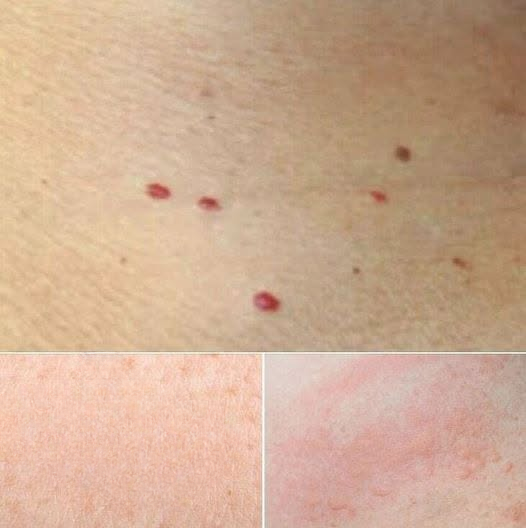
Noticing new red dots on your skin can be concerning, especially when they appear without an obvious explanation. Some spots are harmless changes that become more common with age, while others may result from heat, irritation, an allergic reaction, an insect bite, or inflammation around a hair follicle.
In certain circumstances, small red or purple spots can represent bleeding beneath the skin and may require prompt medical evaluation.
A photograph or short social-media post cannot reliably diagnose a skin condition. Red spots can look similar while having very different causes. Their size, texture, location, duration, and associated symptoms all matter.
Instead of assuming that every red dot has the same meaning, examine the complete situation and seek professional advice when the cause is unclear.
Start by Looking at the Spots Carefully
Before trying a cream or home remedy, observe the appearance of the spots.
Useful questions include:
- Are they flat or raised?
- Do they itch, burn, or hurt?
- Did they appear suddenly or gradually?
- Are they remaining in one place or spreading?
- Are they centered around hair follicles?
- Do they contain fluid?
- Do they become pale when gently pressed?
- Are there other symptoms, such as fever, fatigue, bruising, breathing difficulty, or swelling?
- Have you recently used a new medication, cosmetic product, detergent, soap, or skin treatment?
- Have you been outside in hot weather or exposed to insects?
Changes can look different depending on skin tone. A spot that appears bright red on lighter skin may look deep red, purple, brown, or less noticeable on darker skin.
Lighting can also affect appearance. Examining the area under good natural light and taking a clear photograph may help you monitor whether it changes.
Cherry Angiomas
One common cause of small, bright red spots is a cherry angioma, sometimes called a Campbell de Morgan spot.
Cherry angiomas are small areas of blood-vessel growth. They may be flat at first and become slightly raised over time. Their color can range from bright red to dark red or purple.
They commonly develop on the chest, back, arms, or abdomen and tend to become more numerous with age.
An NHS dermatology guide describes cherry angiomas as common, harmless spots that are not precancerous and generally do not require treatment.
A cherry angioma may bleed if it is scratched, shaved over, or caught on clothing. A healthcare professional can examine it if it repeatedly bleeds or becomes irritating.
People sometimes request cosmetic removal. A dermatologist may use a laser, heat-based procedure, freezing treatment, or another method, depending on the spot and the person’s skin.
Do not attempt to cut, burn, or remove one at home. A spot assumed to be a cherry angioma could be something else, and home removal can lead to infection, bleeding, or scarring.
Petechiae
Petechiae are tiny, flat spots created when very small blood vessels leak beneath the skin. They are often red, purple, or brown and are usually smaller than a few millimeters.
Unlike many forms of ordinary skin redness, petechiae generally do not become pale when pressed. This is known as a non-blanching rash.
The National Library of Medicine’s MedlinePlus resource explains that broken blood vessels can form tiny red dots in the skin. Larger areas of bleeding may be called purpura or bruising, depending on their size and appearance.
Petechiae can occur for several reasons. Some are relatively minor. Forceful coughing, vomiting, crying, heavy lifting, or straining may temporarily increase pressure and produce small spots, especially around the face, neck, or upper chest.
Other possible causes include:
- Viral or bacterial infections
- Low platelet levels
- Blood-clotting disorders
- Reactions to certain medicines
- Autoimmune conditions
- Physical injury or pressure
- Medical treatments affecting blood cells
- Inflammation of small blood vessels
Because the causes range from minor to serious, sudden or unexplained petechiae should not be diagnosed from an online photograph.
Contact a healthcare professional if the spots appear without a clear reason, spread, return repeatedly, or occur with unexplained bruising or bleeding.
The Blanching Test
People sometimes use a clear drinking glass to press against a rash. If the redness remains visible through the glass and does not fade under pressure, the rash is described as non-blanching.
This observation may provide useful information, but it is not a complete diagnostic test. Pressing a glass against the skin cannot determine the underlying cause or rule out a serious condition.
If a non-blanching rash appears with fever, confusion, severe headache, neck stiffness, breathing problems, extreme sleepiness, rapid spreading, or a generally unwell appearance, seek emergency medical care.
Children with a new non-blanching rash deserve particular caution. NHS clinical guidance states that a child with a non-blanching rash should receive prompt medical assessment because a small number of cases can be associated with serious infection or blood-related conditions, even though many children ultimately have a less dangerous cause.
Do not wait for every possible symptom to appear if a child seems seriously unwell.
Heat Rash
Small red bumps can also result from heat rash, sometimes called prickly heat.
Heat rash develops when sweat becomes trapped beneath the skin because sweat ducts are blocked. It is more common in hot, humid weather and may occur in areas covered by tight clothing or where skin rubs together.
The spots may feel itchy, prickly, or uncomfortable. Common locations include the neck, upper chest, back, underarms, groin, and folds of the skin.
MedlinePlus explains that heat rash can produce small red bumps or tiny blisters and may affect people of any age, although it is especially common in young children.
Moving to a cooler environment, wearing loose clothing, and keeping the skin dry may help. Heavy creams and oily products can sometimes trap additional heat.
Seek medical advice if the area becomes increasingly painful, warm, swollen, or begins producing discharge, as these changes could indicate infection.
Contact Dermatitis
Contact dermatitis occurs when the skin reacts to an irritating substance or an allergen.
Possible triggers include:
- Soap and detergent
- Cleaning products
- Fragrances and cosmetics
- Hair dye
- Jewelry containing certain metals
- Adhesives
- Gloves
- Plants
- Skin-care products
- Repeated contact with water or chemicals
The rash usually develops where the substance touched the skin. It may be red, itchy, dry, cracked, swollen, or covered with small bumps or blisters.
According to MedlinePlus, allergic contact dermatitis may not appear until 24 to 48 hours after exposure. Irritant dermatitis can cause burning or pain in addition to itching.
If a new product may be responsible, stop using it and gently wash the area. Avoid testing several new creams at once because this can make the trigger more difficult to identify.
A clinician may recommend a specific treatment or allergy testing if the rash is severe, persistent, or repeatedly returns.
Hives
Hives are raised, itchy welts caused by the release of histamine and other chemicals in the skin. They can appear red, pink, or similar to the surrounding skin tone.
Individual welts may change shape, move, disappear, and then appear elsewhere. Possible triggers include food, medication, infection, insect stings, heat, cold, pressure, or an unknown cause.
Hives are different from petechiae because they are usually raised and often become paler under pressure.
Emergency care is needed if hives occur with swelling of the lips, tongue, face, or throat; difficulty breathing; wheezing; dizziness; fainting; or trouble swallowing. These may be signs of a severe allergic reaction.
Insect Bites
Mosquitoes, fleas, bedbugs, mites, and other insects can cause small red bumps. Bites are often itchy and may appear in clusters or lines, but appearance alone cannot reliably identify the insect.
The surrounding environment may provide additional clues. Consider recent travel, pets, time spent outdoors, used furniture, open windows, or similar symptoms in other household members.
Try not to scratch. Broken skin can become infected.
Contact a healthcare professional if a bite produces severe swelling, worsening pain, warmth, drainage, fever, or an expanding rash. Immediate help is required for breathing difficulty, facial swelling, dizziness, or another sign of a serious allergic reaction.
Folliculitis
Folliculitis is inflammation around hair follicles. It can look like clusters of small red bumps or pimple-like spots, sometimes with a visible hair in the center.
It may develop after shaving, sweating, wearing tight clothing, or using a poorly maintained hot tub. Friction and blocked follicles can also contribute.
Mild cases sometimes improve with gentle cleansing and avoidance of shaving or friction. Do not squeeze the bumps, as this may increase irritation or spread infection.
Medical advice is appropriate if the affected area is painful, rapidly spreading, repeatedly returning, or accompanied by fever.
Eczema and Dry-Skin Irritation
Eczema can cause red or darker patches, small bumps, itching, dryness, cracking, and inflammation. The appearance varies widely and can be less visibly red on darker skin.
Dry air, fragranced products, hot showers, stress, and environmental allergens may contribute to flare-ups.
A gentle, fragrance-free moisturizer can support the skin barrier, but persistent or severe eczema may require professional diagnosis and prescription treatment.
Avoid using strong steroid creams without guidance, especially on the face, around the eyes, or on young children.
Medication-Related Rashes
Medicines can sometimes cause rashes or affect blood cells and clotting. Reactions may occur shortly after beginning a medicine or appear days to weeks later.
Do not stop a necessary prescription abruptly unless an emergency professional advises you to do so. Contact the prescribing clinician or pharmacist for guidance.
Seek urgent care if a new rash occurs with:
- Facial or throat swelling
- Difficulty breathing
- Blistering or peeling skin
- Sores around the eyes, mouth, or genitals
- High fever
- Unusual bleeding or bruising
- Severe weakness or confusion
Bring a complete list of prescription drugs, over-the-counter medicines, vitamins, and supplements to the appointment.
When Red Spots Require Emergency Attention
Get urgent or emergency medical help when red or purple spots occur with:
- Fever and a rapidly spreading non-blanching rash
- Severe headache or neck stiffness
- Confusion, fainting, or extreme drowsiness
- Difficulty breathing or swallowing
- Swelling of the face, tongue, or throat
- Uncontrolled bleeding
- Widespread unexplained bruising
- Severe weakness or a very unwell appearance
- Blistering, peeling, or painful skin
- Red or purple spots in a sick child
If someone appears critically ill, contact local emergency services rather than attempting to identify the rash at home.
When to Arrange a Regular Appointment
A non-emergency medical appointment is appropriate if the spots:
- Continue to spread or repeatedly return
- Remain unexplained
- Do not improve
- Change in size, shape, texture, or color
- Bleed without being irritated
- Become painful, warm, or swollen
- Produce fluid or crusting
- Occur with fatigue, joint pain, weight change, or other ongoing symptoms
- Appear after starting a new medication
- Cause concern even without other symptoms
A clinician may examine the skin with magnification, review medications and recent exposures, or order blood tests if bleeding beneath the skin is suspected.
Avoid Self-Diagnosis From One Photograph
Image-search results and social-media posts often show a single type of red spot and imply that every similar mark has the same cause. Skin conditions do not work that way.
Cherry angiomas, bites, petechiae, heat rash, dermatitis, hives, and inflamed follicles can all appear as red dots. Correct diagnosis depends on more than color.
Until the cause is known:
- Do not cut, puncture, or burn the spots
- Avoid harsh chemicals and unverified remedies
- Do not apply multiple medicated creams at once
- Keep the skin clean and avoid scratching
- Note any new products, medications, foods, or environmental exposures
- Take photographs to document changes
The Bottom Line
Red dots on the skin are common and often have a harmless explanation. Cherry angiomas, mild irritation, heat rash, insect bites, and inflammation around hair follicles are frequent possibilities.
However, tiny flat spots that do not fade under pressure may be petechiae, especially when they appear suddenly or alongside other bleeding, bruising, fever, or illness. These should be assessed by a healthcare professional.
The safest response is neither panic nor dismissal. Observe the details, consider accompanying symptoms, and obtain medical advice when the spots are unexplained, changing, spreading, or associated with signs of illness.
A qualified healthcare professional can determine what the red dots actually mean for you.