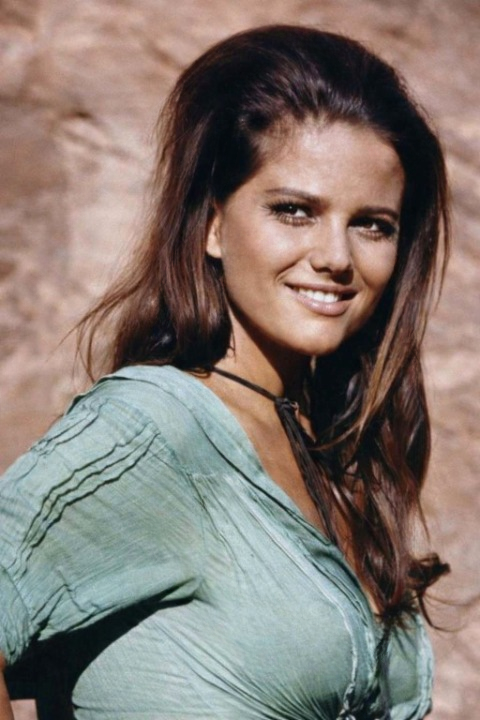
Remembering Claudia Cardinale: The Extraordinary Life and Legacy of an Italian Cinema Legend
The history of international cinema has been shaped by remarkable performers whose talent and unforgettable screen presence continue to inspire audiences across generations. Among those extraordinary figures was Claudia Cardinale, one of the most celebrated actresses of Italian and European cinema.
Known for her elegance, expressive performances, distinctive voice, and remarkable versatility, Cardinale built a career that lasted more than six decades. She appeared in numerous influential films, working alongside some of the most respected directors and performers in the history of cinema.
From her early beginnings in Tunisia to her rise as an international film star, her journey was filled with memorable performances, important professional achievements, and experiences that helped shape her remarkable career.
Born on April 15, 1938, in Tunis, Tunisia, to Sicilian parents, Claudia Cardinale became an internationally recognized actress during the golden years of European cinema. Her performances in films such as The Leopard, 8½, and Once Upon a Time in the West secured her place among the most recognizable figures of the silver screen.
Cardinale passed away on September 23, 2025, at the age of 87, in Nemours, France. Her death marked the end of an extraordinary chapter in cinema history, but her performances and artistic contributions continue to be remembered by movie lovers around the world.
Her story is not simply about fame or beauty. It is also about determination, artistic growth, independence, and the lasting influence of an actress who helped define an important era of international filmmaking.
1. Her Early Life and Childhood in Tunisia
Claudia Cardinale was born Claude Joséphine Rose Cardinale on April 15, 1938, in Tunis, then part of French Tunisia.
Her parents were of Sicilian origin, and her family maintained strong connections to Italian culture and traditions. Growing up in a multilingual environment helped shape her identity and gave her a connection to different cultures.
During her childhood, Cardinale was not necessarily planning to become a major film star. Like many young people, she had interests and ambitions that extended beyond the entertainment industry.
She initially considered becoming a teacher and was known for having a strong personality and independent outlook.
Her early experiences in Tunisia would eventually become an important part of her personal story. Although she later became associated with Italian cinema, her birthplace and cultural background remained significant elements of her identity.
Her journey from Tunis to international cinema was an unusual one, especially considering that acting was not originally the career she had planned to pursue.
2. The Unexpected Opportunity That Changed Her Life
Cardinale’s introduction to the film industry came through an unexpected opportunity.
In 1957, she won a beauty competition organized in Tunisia, earning recognition as the most beautiful Italian girl in the country. The prize included a trip to the Venice Film Festival.
This experience introduced her to the world of international cinema and brought her to the attention of people working in the entertainment industry.
At the time, Cardinale was still a young woman with little experience in professional acting. However, her appearance, personality, and natural presence attracted interest from filmmakers.
She soon began receiving opportunities to participate in film productions.
What initially seemed like an unusual invitation became the beginning of a career that would eventually span several decades.
Her first opportunities were not necessarily the result of a carefully planned acting career. Instead, they developed through a combination of circumstance, interest from filmmakers, and her willingness to explore a completely different professional path.
3. Her First Steps Into the Film Industry
Cardinale’s early film appearances helped introduce her to audiences and gave her opportunities to develop her acting abilities.
One of her early appearances was in the Italian comedy Big Deal on Madonna Street (1958), directed by Mario Monicelli.
Although her role was relatively small, the production helped establish her presence in the Italian film industry.
During this period, she began gaining experience and learning how professional film productions operated.
The entertainment industry was highly competitive, particularly for young actresses trying to establish themselves.
Cardinale gradually moved beyond the expectations often placed on attractive young performers and demonstrated that she could contribute much more than a memorable appearance.
Her acting career developed through a variety of roles, allowing her to explore different characters and dramatic situations.
As her experience increased, so did the opportunities to work with important directors.
4. The Films That Established Her Reputation
The beginning of the 1960s was an especially important period in Cardinale’s career.
She appeared in several productions that helped establish her as one of the most promising actresses in European cinema.
Among these early achievements was Girl with a Suitcase (1961), directed by Valerio Zurlini.
The film demonstrated her ability to portray emotional complexity and gave audiences a stronger sense of her acting talent.
She also appeared in The Lovemakers (1961), Cartouche (1962), and other productions that expanded her professional experience.
Rather than limiting herself to one type of character, Cardinale explored different genres and styles.
This variety helped distinguish her from performers who became associated with a single screen image.
Her growing reputation eventually attracted the attention of major directors whose films would become important landmarks in cinema history.
5. The Leopard: One of the Defining Films of Her Career
One of Claudia Cardinale’s most celebrated performances came in Luchino Visconti’s historical drama The Leopard (1963).
Based on the novel by Giuseppe Tomasi di Lampedusa, the film explores the transformation of Sicilian society during the nineteenth century.
Cardinale appeared alongside major performers, including Burt Lancaster and Alain Delon.
She portrayed Angelica Sedara, a character whose arrival becomes connected to the changing social circumstances surrounding the film’s central family.
The production is widely regarded as one of the great achievements of Italian cinema.
Visconti’s attention to historical atmosphere, elaborate costumes, carefully constructed settings, and emotional storytelling helped make the film particularly memorable.
Cardinale’s performance contributed significantly to its appeal.
For many cinema enthusiasts, The Leopard remains essential viewing when exploring the history of European filmmaking.
Her participation in the production also helped introduce her to a wider international audience.
6. Working With Federico Fellini in 8½
Another major milestone arrived in 1963 when Cardinale appeared in Federico Fellini’s celebrated film 8½.
The movie is often considered one of the most influential works in the history of modern cinema.
It follows a filmmaker experiencing creative difficulties while attempting to develop a new movie. The story combines imagination, memories, personal relationships, and reflections on artistic expression.
Cardinale played a significant role in the film’s imaginative world.
Her appearance contributed to the production’s distinctive atmosphere and helped reinforce her reputation as an actress capable of working with ambitious directors.
Fellini’s filmmaking style was very different from the traditional storytelling approach used in many commercial productions.
The film relied heavily on symbolism, visual imagination, and psychological exploration.
Working in such an environment provided Cardinale with another important opportunity to demonstrate her versatility.
Together with The Leopard, 8½ became one of the defining films associated with her early international success.
7. Her Success in International Cinema
Although Cardinale became strongly associated with Italian filmmaking, her career extended well beyond Italy.
She appeared in productions from different countries and worked with directors whose styles and creative approaches varied considerably.
One notable international project was The Pink Panther (1963), directed by Blake Edwards.
The film became a popular comedy and introduced her to another broad audience.
She also appeared in The Professionals (1966), directed by Richard Brooks, alongside an ensemble cast that included Burt Lancaster and Lee Marvin.
These productions demonstrated that her acting career could successfully cross national and cultural boundaries.
Cardinale was not limited to one film industry.
She moved between European and international productions, developing a body of work that included historical dramas, comedies, adventures, and westerns.
Her ability to adapt to different cinematic environments was an important reason for her enduring professional success.
8. Once Upon a Time in the West: A Memorable Western Performance
In 1968, Cardinale appeared in Sergio Leone’s influential western Once Upon a Time in the West.
The film became one of the most recognized examples of the spaghetti western genre.
Unlike many traditional western productions that concentrated almost exclusively on male characters, Leone’s film gave Cardinale an important central role.
She portrayed Jill McBain, a woman whose arrival becomes closely connected to the story’s conflicts and changing circumstances.
Her character is not simply a background presence.
Jill plays a meaningful role in the development of the narrative, representing determination and the possibility of building a new future in a difficult environment.
The film also featured Henry Fonda, Charles Bronson, and Jason Robards.
Its striking cinematography, memorable music by Ennio Morricone, and distinctive storytelling helped establish its reputation as a classic.
Cardinale’s performance remains one of the most important highlights of her career.
For many international audiences, the film became one of the strongest reasons to remember her work.
9. Her Ability to Explore Different Characters
One of the most impressive aspects of Cardinale’s career was her willingness to explore different types of roles.
Although she became internationally famous during the 1960s, she continued working in films that demanded different emotional and dramatic abilities.
She appeared in historical productions, contemporary dramas, comedies, and films that explored difficult social subjects.
Her performances were not limited to glamorous characters.
She demonstrated an interest in portraying women with complicated personalities, emotional experiences, and independent perspectives.
This diversity helped establish her reputation as a serious actress.
In an industry where performers could sometimes become closely associated with a particular public image, Cardinale continued seeking opportunities that allowed her to develop professionally.
Her filmography reflects a long career built around artistic variety rather than one single type of performance.
10. Working With Werner Herzog in Fitzcarraldo
Another significant production in Cardinale’s career was Werner Herzog’s Fitzcarraldo (1982).
The film tells the story of an ambitious man who dreams of building an opera house in the Amazon region.
Cardinale appeared as Molly, a character connected to the central figure’s unusual ambition.
The production became famous for its challenging filming conditions and ambitious visual concept.
Herzog’s approach to filmmaking often involved large-scale projects and difficult production circumstances.
Fitzcarraldo became one of his best-known works and is frequently discussed in studies of international cinema.
Cardinale’s participation demonstrated her continued willingness to collaborate with filmmakers whose artistic approaches differed from those of the directors with whom she had worked earlier in her career.
It also showed that her professional journey remained active well beyond the period when she first achieved international fame.
11. Her Work in Italian Cinema Beyond the 1960s
Although the 1960s represented a particularly important period in her career, Cardinale continued appearing in Italian and international productions during the following decades.
She worked with directors such as Liliana Cavani, Marco Bellocchio, and Pasquale Squitieri.
Her later performances included films that explored historical subjects, political themes, family relationships, and complex personal experiences.
One notable example was Claretta (1984), directed by Pasquale Squitieri, in which she portrayed Claretta Petacci.
She also appeared in The Story (1986), directed by Luigi Comencini.
These projects demonstrated that her interest in acting continued as her career evolved.
Rather than relying only on the international fame she had achieved earlier, Cardinale remained involved in new productions and continued exploring different creative opportunities.
Her work across several decades provides an interesting overview of the changing landscape of European cinema.
12. Her Recognition and Major Career Honors
Cardinale received numerous awards and professional honors throughout her career.
Among the most significant was the Golden Lion for Lifetime Achievement presented by the Venice Film Festival in 1993.
This recognition celebrated her contribution to cinema and her importance as an international actress.
She also received several David di Donatello awards and Silver Ribbon honors in Italy.
In 2002, she was presented with the Honorary Golden Bear at the Berlin International Film Festival.
These achievements reflected the respect she earned within the international film community.
Her professional recognition was not based only on popularity.
It also reflected her extensive body of work and her collaborations with important filmmakers.
Over the years, Cardinale became recognized as one of the major actresses associated with the golden period of European cinema.
13. Her Personal Life and Independent Spirit
Although Cardinale was a highly visible international film star, her personal life was often more complicated than the glamorous image presented to the public.
She experienced challenges in the entertainment industry and spoke about the pressures associated with becoming famous at a young age.
Her early career was shaped by powerful industry figures and expectations about how actresses should present themselves.
As she gained experience, she increasingly valued independence and the freedom to make decisions about her professional life.
Her personal experiences also influenced how she approached her career.
Rather than allowing her public image to define every aspect of her identity, she continued pursuing different roles and professional interests.
Her story illustrates some of the challenges faced by women working in the international entertainment industry during the twentieth century.
It also highlights the importance of artistic independence and personal determination.
14. Her Interest in Social Causes and Women’s Rights
Beyond her work as an actress, Cardinale also became involved in activities connected to social awareness.
She supported causes involving women and participated in initiatives that promoted equality and human dignity.
In 2000, she became a UNESCO goodwill ambassador, with a focus on women’s rights.
This role reflected an interest in using her public recognition to support issues beyond the entertainment industry.
Her involvement in social causes added another dimension to her public life.
It also demonstrated that her interests extended beyond film productions and professional recognition.
For many admirers, this aspect of her life is an important part of understanding her legacy.
Her influence was connected not only to the characters she portrayed but also to her willingness to support broader social concerns.
15. Her Later Career and Continued Love of Acting
Cardinale remained involved in cinema long after becoming an international star.
During the later decades of her career, she continued appearing in European productions, television projects, and other creative works.
Her later filmography included projects such as And Now… Ladies and Gentlemen (2002), The Island of Forgiveness (2022), and several other productions.
She also explored theatre, demonstrating an interest in performing beyond the traditional film industry.
Her continued activity was a reminder that her relationship with acting extended far beyond the fame she achieved during her younger years.
For an actress whose career began unexpectedly, maintaining such a long professional presence was a remarkable achievement.
She remained connected to the artistic world and continued contributing to the cultural history of European cinema.
16. Claudia Cardinale’s Final Years
During her later years, Cardinale lived in France while remaining connected to her Italian heritage and international film community.
Although she was no longer working at the same pace as during the height of her career, her achievements continued to attract attention from film historians, critics, and audiences.
Retrospectives and special screenings helped introduce her work to younger generations.
Her performances in classic films continued to be studied and celebrated.
The continuing interest in her career demonstrated that her artistic contribution had become part of a much larger cultural history.
Rather than being remembered only as a star from a particular decade, she remained an important figure in discussions about European cinema and the development of international filmmaking.
17. Remembering Her Passing in 2025
Claudia Cardinale passed away on September 23, 2025, in Nemours, France, at the age of 87.
Her death was reported by major international news organizations and prompted tributes from people in the film industry and cultural communities.
Her passing marked the loss of one of the recognizable performers associated with the golden age of European cinema.
For many admirers, her death brought back memories of the films that had made her famous.
From The Leopard and 8½ to Once Upon a Time in the West, her performances remain part of cinema history.
Although her life came to an end, her artistic legacy continues through the films she left behind.
Her work remains available for audiences who want to discover or revisit some of the most influential productions of twentieth-century cinema.
18. The Films That Best Represent Her Legacy
Anyone interested in understanding Cardinale’s career can begin with several of her most important films.
Each production offers a different perspective on her abilities and the variety of roles she explored.
Some particularly significant titles include:
- Big Deal on Madonna Street (1958): One of her early appearances in Italian cinema.
- Girl with a Suitcase (1961): A memorable dramatic performance that helped establish her reputation.
- The Leopard (1963): A major historical drama directed by Luchino Visconti.
- 8½ (1963): Federico Fellini’s influential exploration of creativity and personal identity.
- The Pink Panther (1963): An internationally successful comedy directed by Blake Edwards.
- The Professionals (1966): A western adventure featuring an impressive ensemble cast.
- Once Upon a Time in the West (1968): One of the defining westerns of her career.
- Fitzcarraldo (1982): A celebrated Werner Herzog production.
- Claretta (1984): A historical drama directed by Pasquale Squitieri.
Together, these films demonstrate the variety of her professional achievements and explain why she remains an important figure for classic-film enthusiasts.
Why Claudia Cardinale Will Always Be Remembered
The legacy of a great performer is not measured only by the number of films they make or the awards they receive.
It is also measured by the lasting impression their performances leave on audiences.
Claudia Cardinale achieved something remarkable during her career. She became an internationally recognized actress while maintaining a connection to the European film traditions that helped shape her artistic development.
She worked with influential directors, appeared in productions that became classics, and explored roles across different genres.
Her performances helped define an important period in international cinema.
She was also part of a generation of actresses who expanded the possibilities for women on screen, portraying characters with different personalities, experiences, and ambitions.
For younger audiences discovering classic films today, Cardinale’s work offers an opportunity to explore the creativity and storytelling that shaped European cinema.
Her performances continue to provide insight into the artistic vision of directors such as Visconti, Fellini, and Leone.
Final Thoughts: A Lasting Legacy Beyond the Silver Screen
Claudia Cardinale’s extraordinary journey began in Tunisia and eventually took her to some of the most important film productions in international cinema.
What started as an unexpected introduction to the entertainment industry developed into a career spanning more than six decades.
She became known for her memorable performances, artistic versatility, and collaborations with influential filmmakers.
Her work in The Leopard, 8½, and Once Upon a Time in the West remains particularly important, but her wider filmography offers many other examples of her talent and dedication.
Cardinale passed away in 2025, but her contribution to cinema remains.
Her films continue to reach audiences, her performances remain part of film history, and her name is still associated with one of the most remarkable periods in European filmmaking.
Remembering Claudia Cardinale means celebrating more than a famous actress. It means recognizing an artist whose work crossed borders, generations, and cinematic traditions.
Her extraordinary life and