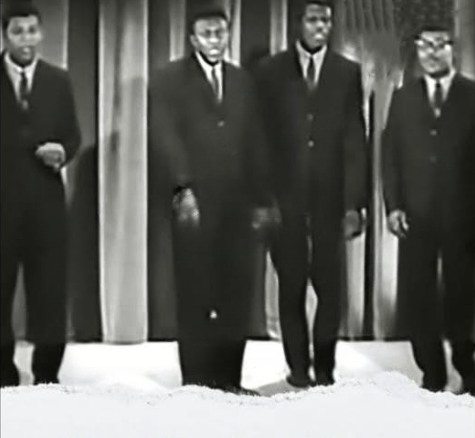
The Five Satins’ “In the Still of the Night”: The Doo-Wop Classic That Never Lost Its Magic
Some songs become popular for a season, while others continue finding new listeners long after the era that produced them has passed. The Five Satins’ “In the Still of the Night” belongs to the latter category. With its gentle harmonies, romantic atmosphere, and memorable melody, the song has remained an important part of the doo-wop tradition and a favorite among listeners who appreciate the emotional simplicity of classic vocal-group music.
First recorded during the 1950s, “In the Still of the Night” reflects a period when small vocal groups were helping shape the sound of American popular music. Before elaborate studio production became common, singers often relied on close harmonies, carefully arranged vocal parts, and the natural warmth of their voices to create memorable recordings.
The Five Satins brought those elements together in a performance that felt personal and intimate. Rather than depending on a complicated arrangement, the recording allows the voices to establish the mood. Its romantic theme, unhurried delivery, and distinctive sound helped make it recognizable to generations of music fans.
The song’s appeal also extends beyond nostalgia. Although it is closely associated with the musical culture of the 1950s, its central themes of love, longing, and cherished memories remain familiar to listeners of different ages. Its continued presence in discussions of classic vocal-group music demonstrates how a relatively simple arrangement can communicate an emotion that does not depend on a particular decade.
The Musical World That Gave Birth to Doo-Wop
To understand the importance of “In the Still of the Night,” it helps to look at the musical environment in which it emerged.
During the 1940s and 1950s, vocal harmony groups became an important part of American popular entertainment. Their sound developed from several musical traditions, including gospel, rhythm and blues, jazz, and earlier forms of close-harmony singing.
Young singers frequently learned by listening to records, practicing with friends, and performing in neighborhoods, schools, community spaces, and local venues. Some groups rehearsed wherever they could find a suitable place, gradually developing arrangements that highlighted the strengths of individual voices.
The style that became known as doo-wop was particularly recognizable for its layered harmonies and rhythmic vocal syllables. Lead singers usually carried the main melody, while supporting voices supplied bass notes, repeated phrases, and background patterns. These parts created a musical foundation without requiring a large instrumental ensemble.
Doo-wop groups often emphasized the interaction between their voices. A lead singer might deliver a romantic line while the backing singers answered with a short refrain or sustained harmony. The effect could be playful, dramatic, or deeply sentimental, depending on the arrangement.
This approach made the music feel immediate and accessible. Listeners did not need to understand music theory to appreciate the sound. They could recognize the emotional direction of the melody and feel the connection between the singers.
The Five Satins emerged during this period of musical experimentation and creativity. Their recording of “In the Still of the Night” became one of the best-known examples of the style, helping preserve the sound of an era when vocal harmony groups occupied a distinctive place in popular music.
The Five Satins and Their Musical Identity
The Five Satins are remembered for their contribution to the development and popularity of doo-wop. Their music reflects the importance of vocal blend, expressive lead singing, and carefully balanced accompaniment.
Fred Parris, the group’s lead singer and principal songwriter, played a central role in shaping its best-known recording. His approach to the song helped establish its intimate mood, allowing the melody to carry the emotional message without excessive ornamentation.
The group name itself became associated with a particular kind of romantic vocal performance. Their sound was not based on the forceful delivery of a large ensemble or the elaborate instrumentation of an orchestral production. Instead, it depended on the relationship between the lead voice and the supporting harmonies.
That balance is especially important in “In the Still of the Night.” The lead vocal draws the listener into the song’s emotional world, while the backing voices provide continuity and depth. The arrangement feels cohesive because the different parts serve the same purpose.
Each voice contributes to the overall atmosphere. The lead carries the central expression, the harmonies reinforce the melody, and the lower vocal parts give the performance a sense of stability.
The result is a recording that feels both structured and natural.
This quality helped distinguish the group in a crowded musical landscape. During the 1950s, many vocal groups were experimenting with different combinations of rhythm, harmony, and romantic themes. The Five Satins created a performance that listeners could identify through its mood as much as through its melody.
Their recording would eventually become closely connected with the broader history of doo-wop, demonstrating how a vocal group’s distinctive interpretation could outlast the original moment of its release.
The Story Behind “In the Still of the Night”
The story of a memorable recording often includes more than the song itself. The circumstances surrounding its creation can also become part of its historical appeal.
“In the Still of the Night” is widely associated with an unconventional recording setting in New Haven, Connecticut. The song was recorded in 1956 in the basement of St. Bernadette’s Church, an environment far removed from the elaborate commercial studios many listeners might imagine when thinking about a classic hit.
The setting has become part of the song’s history because it illustrates how resourceful early vocal groups could be. Musicians did not always have access to expensive facilities, sophisticated equipment, or extensive production budgets. They often worked with what was available, concentrating on the performance and the arrangement.
A church basement may seem like an unlikely place to create a recording that would eventually become a standard of classic popular music. Yet the history of recorded music includes many examples of artists producing important work in modest circumstances.
The significance of the setting should not be exaggerated into a claim that limited resources automatically produce better music. Rather, it reminds us that memorable performances can emerge from a wide range of environments.
What ultimately matters is the relationship between the composition, the singers, and the recording process. In this case, the Five Satins’ performance brought together a strong melody, an expressive lead vocal, and a harmonious supporting arrangement.
The recording’s lasting reputation demonstrates that listeners often respond most strongly to the musical experience itself.
The modest setting also provides a useful reminder of how popular music developed during the middle of the twentieth century. Many artists built their careers through local performances and recordings that initially reached relatively small audiences. Some of those records gradually found broader recognition through radio, record sales, personal recommendations, and later rediscovery.
“In the Still of the Night” became part of that larger story.
Why the Song’s Arrangement Remains Memorable
One of the defining characteristics of “In the Still of the Night” is its restrained musical arrangement.
The recording does not depend on a dense wall of sound. Instead, it creates an atmosphere through the interaction of voices, the movement of the melody, and the measured pace of the performance.
This restraint gives the listener room to focus on the song’s emotional qualities.
The lead singer’s delivery is central to the experience. Rather than treating the melody as an opportunity for vocal display, the performance maintains a direct, intimate character. That approach suits the romantic subject matter and reinforces the impression that the singer is addressing someone personally.
The backing vocals are equally important. In doo-wop, supporting voices frequently function as more than background decoration. They help establish rhythm, reinforce the emotional tone, and create a recognizable musical identity.
In “In the Still of the Night,” the harmonies give the lead vocal a sense of companionship. The performance feels larger than a solo voice but remains intimate enough to preserve the song’s romantic atmosphere.
Another important element is repetition. Familiar melodic phrases help listeners recognize and remember a song. When repetition is combined with an effective vocal arrangement, it can create a feeling of familiarity that grows stronger with repeated listening.
The song also benefits from its measured pace. It does not rush through its emotional ideas. Instead, it allows the melody and harmonies to develop gradually.
This makes the recording suitable for quiet listening, nostalgic playlists, romantic occasions, and collections devoted to classic vocal music.
The arrangement is an example of how musical effectiveness does not necessarily require complexity. A song can leave a lasting impression through carefully chosen elements that work together naturally.
Romance and the Emotional Power of Nostalgia
Romantic songs have occupied an important place in popular music for generations. They provide a way for listeners to connect musical expression with personal experiences, relationships, and memories.
“In the Still of the Night” draws on this familiar tradition. Its mood encourages listeners to think about affection, longing, and the emotional importance of a particular moment shared with another person.
The song’s appeal is not limited to people who experienced the 1950s firsthand. Younger listeners can connect with its themes even if they have little direct experience of the period in which it was recorded.
That ability to cross generations is one of the reasons classic love songs remain relevant.
A listener may associate a song with a first relationship, a wedding, a family celebration, or a memory of someone who is no longer present. Another person may discover the same recording through a film, a radio program, or a relative’s music collection.
The song itself remains the same, but its personal meaning can change from listener to listener.
Nostalgia also plays an important role in how people experience older music. Familiar recordings can evoke memories of particular places, social traditions, and earlier stages of life. For some listeners, a classic song provides a connection with childhood or family history.
However, nostalgia is not the only reason the recording continues to attract attention. The quality of the performance also matters. Strong melodies and balanced harmonies can remain enjoyable even when listeners have no personal connection to the period.
This combination of musical craftsmanship and emotional familiarity helps explain why “In the Still of the Night” continues to be discussed as an enduring example of romantic doo-wop.
Doo-Wop’s Place in American Popular Music
Doo-wop occupies a distinctive position in the history of American music.
Its development brought together vocal traditions that had evolved in different communities and musical settings. Gospel singing contributed expressive intensity and call-and-response patterns. Rhythm and blues supplied rhythmic drive and a strong emphasis on vocal performance. Pop songwriting helped shape the romantic themes and accessible melodies that brought many groups to wider audiences.
The result was a style that could be performed by small groups while still producing a rich and layered sound.
Doo-wop also became associated with young people creating music within their own communities. Many groups began with friends singing together before they had access to professional studios or major recording contracts.
Their stories illustrate the role that local networks played in the music industry. A successful performance could lead to a recording opportunity, while radio exposure could help a regional group reach listeners far beyond its original neighborhood.
The style’s popularity also overlapped with major changes in American popular culture. Rock and roll was gaining prominence, independent record labels were becoming important sources of new music, and young audiences were developing new listening habits.
Vocal groups contributed to that changing landscape by demonstrating that harmony and rhythmic vocal patterns could work effectively alongside the emerging sounds of rock and roll.
The Five Satins’ recording became part of this musical transformation.
Its continued recognition helps preserve the memory of a period when vocal groups played an important role in shaping the sound of popular romance.
Doo-wop did not disappear when the musical fashions of the 1950s changed. Instead, its influence continued through later performers, oldies radio, revival groups, vocal-harmony ensembles, and recordings that introduced the style to new audiences.
The genre remains a valuable part of music history because it shows how relatively simple musical arrangements can support distinctive artistic expression.
How the Song Reached New Generations
A recording’s life does not necessarily end when its original chart run is over.
Some songs continue to circulate because listeners actively seek them out. Others find new audiences when they appear in films, television programs, radio retrospectives, or compilations devoted to a particular era.
“In the Still of the Night” has benefited from its association with the broader tradition of classic American vocal music. Its recognizable style makes it a natural choice for collections exploring doo-wop, early rock and roll, and romantic oldies.
Older listeners may return to the recording because they remember hearing it when it was new. Younger listeners may encounter it while exploring the musical roots of artists they already enjoy.
This process allows songs to acquire new meanings without losing their original identity.
The growth of digital music platforms has also made it easier for people to explore recordings from earlier decades. Listeners can search by artist, genre, period, or musical theme and quickly discover recordings that might once have been difficult to locate.
Digital access does not guarantee that every older recording will become popular again, but it reduces some of the barriers that previously separated listeners from historical music.
Classic vocal-group recordings can now be included alongside contemporary releases in personal playlists. Someone might listen to a modern pop ballad and then explore the older traditions that influenced romantic songwriting.
That experience can reveal similarities across different eras.
The instruments may change, the production techniques may become more elaborate, and the conventions of popular music may evolve, but certain emotional themes remain recognizable.
Love, uncertainty, affection, and longing continue to inspire songwriters.
“In the Still of the Night” offers a reminder of how these themes were expressed through the musical language of the 1950s.
The Importance of Vocal Harmony
Vocal harmony is one of the most distinctive features of doo-wop, and it deserves particular attention when considering the Five Satins’ legacy.
Harmony singing requires performers to coordinate pitch, timing, phrasing, and dynamics. Each singer must understand how an individual part contributes to the sound of the entire group.
A successful arrangement depends on balance. If one voice overwhelms the others, the blend can lose its intended character. If the parts do not align rhythmically, the performance may sound disconnected.
When the singers work together effectively, however, the result can feel remarkably natural.
The listener may not consciously identify every musical interval or recognize how the parts fit together. Nevertheless, the combined sound creates a sense of depth and continuity that a single voice might not achieve in the same way.
Doo-wop groups often used this interaction to create a recognizable musical signature.
The lead singer could express the main sentiment while the backing singers added warmth and rhythmic emphasis. Bass voices helped establish the harmonic foundation, while higher parts contributed brightness and movement.
The Five Satins’ best-known recording demonstrates how these elements can work together without making the arrangement feel overly complicated.
It also highlights an important principle of group performance: the success of the whole depends on the contributions of every member.
The lead singer may receive the greatest attention, but the supporting voices are essential to the recording’s identity.
This cooperative quality is one reason vocal-group music remains enjoyable to perform as well as to hear. Singers can study the arrangements, learn the individual parts, and experience how their voices combine to produce a unified result.
For listeners, that blend provides much of the music’s distinctive emotional character.
Comparing the Original Era With Modern Listening
Listening to a recording from the 1950s can reveal how popular music production has changed over time.
Modern recordings may feature extensive studio editing, layered instruments, digital effects, and highly detailed control over the final sound. Artists can experiment with different production techniques to create arrangements that would have been difficult or expensive to achieve several decades ago.
Early doo-wop recordings often placed greater emphasis on the performance of the singers and the arrangement of their voices.
This does not mean that older recordings were necessarily superior or that modern music lacks emotional depth. The two approaches reflect different technologies, musical expectations, and artistic priorities.
The contrast simply provides an opportunity to appreciate the distinctive qualities of each period.
In “In the Still of the Night,” the vocal arrangement is central to the recording’s identity. The listener can focus on the melody and harmonies without needing to follow an elaborate instrumental production.
That simplicity contributes to the song’s accessibility.
Someone hearing it for the first time can quickly understand the mood, while a more experienced listener may pay closer attention to the relationship between the lead vocal and the supporting parts.
Repeated listening can reveal details that might not be obvious at first.
The phrasing of the lead singer, the timing of the backing voices, and the way the melody unfolds all contribute to the overall experience.
Modern listeners can also use the recording as a starting point for exploring the development of romantic popular music. Comparing it with later ballads reveals both the changes in musical style and the themes that have remained remarkably consistent.
The song is therefore valuable not only as entertainment but also as an example of how popular music develops across generations.
Why Classic Love Songs Continue to Matter
A classic love song often becomes meaningful because it offers listeners a recognizable emotional experience.
It may remind someone of a relationship, provide comfort during a difficult period, or become part of a celebration shared with family and friends.
The meaning does not need to be complicated.
Sometimes, a melody becomes important simply because it was playing during a memorable moment.
Other times, listeners appreciate a song because it expresses something they find difficult to put into words themselves.
“In the Still of the Night” belongs to a tradition of romantic music that gives emotional experiences a musical form.
Its enduring appeal also demonstrates how songs can become part of shared cultural memory. People who have never met may recognize the same recording because it has circulated through radio, family gatherings, films, and collections of classic music.
These shared references help connect different generations.
A grandparent might introduce the song to a grandchild, explaining why it was meaningful during an earlier period of life. The younger listener may appreciate the story, the harmony, or simply the sound of the recording.
In that moment, music becomes a way of sharing personal history.
Such experiences help older recordings remain relevant without requiring them to imitate contemporary styles.
The Five Satins’ recording does not need to sound like a modern production to