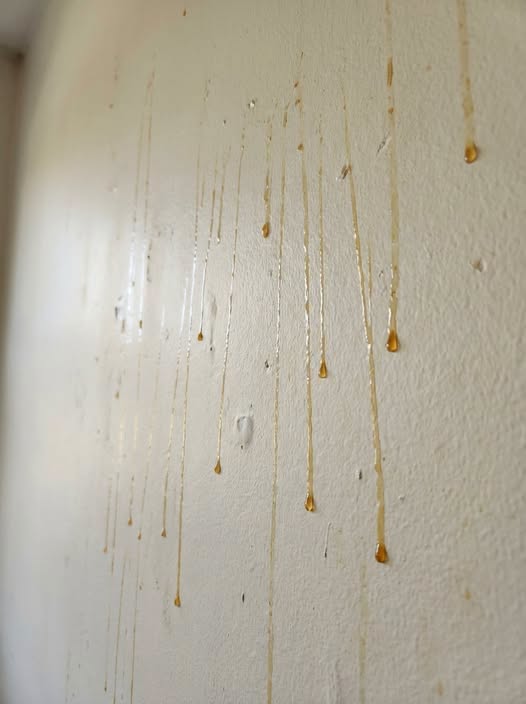
Yellow Residue on Your Bathroom Walls? What It Could Be and How to Deal With It
Walking into your bathroom and noticing yellow marks or a yellowish substance running down the wall can be surprising.
At first glance, it may look like something serious. You might wonder whether it is mold, mildew, a plumbing problem, or some kind of buildup that has been developing behind the walls.
The good news is that yellow residue does not automatically mean there is a major problem.
Bathrooms are naturally exposed to moisture, warm air, cleaning products, soap, minerals, dust, and changing temperatures. When these factors interact with painted walls, tile, grout, caulk, or other surfaces, they can sometimes leave behind stains or deposits that appear yellow, orange, tan, or brown.
Understanding what you are seeing is the first step.
Instead of immediately assuming the worst, take a closer look at the location, texture, smell, and pattern of the residue. These details can provide useful clues about what may be happening.
Here are some of the most common reasons you might notice yellow material on bathroom walls and what you can do about it.
Why Bathrooms Develop Strange-Looking Residue
Bathrooms have conditions that make them particularly susceptible to stains and buildup.
Every shower produces warm, humid air. Hot water increases the amount of moisture in the room, and that moisture eventually settles on cooler surfaces.
If the bathroom has good ventilation, much of that humidity can be removed through an exhaust fan or an open window.
If ventilation is limited, however, moisture may remain in the room for a long time.
Over weeks or months, repeated exposure to humidity can contribute to discoloration.
Soap residue, shampoo, body oils, dust, and minerals from tap water can also collect on surfaces.
The result may be a yellowish film that looks much more unusual than it actually is.
That doesn’t mean every yellow stain is harmless. Persistent moisture can contribute to mold growth and damage to building materials, so unusual or recurring discoloration deserves attention.
The key is identifying the likely source before deciding how to clean it.
1. Soap and Cleaning Product Residue
One of the simplest explanations is accumulated residue from products used in the bathroom.
Shampoo, conditioner, body wash, shaving products, liquid soap, and certain cleaning products can leave behind small amounts of residue.
Normally, this residue is washed away.
But if it collects on a wall, especially near a shower, it can gradually build up.
When combined with dust and moisture, the material may take on a yellow or beige appearance.
This is particularly common on painted walls or surfaces that aren’t regularly wiped down.
A simple cleaning test can provide a useful clue.
Try cleaning a small area using an appropriate bathroom cleaner and a soft cloth or sponge.
If the discoloration comes off relatively easily, surface buildup is a reasonable possibility.
Avoid aggressively scrubbing painted walls because excessive friction can damage the paint and create another problem.
2. Hard-Water Mineral Deposits
Water quality can also play a role.
Some water supplies contain higher concentrations of minerals such as calcium, magnesium, iron, and manganese.
When water evaporates, the minerals can remain behind.
This is commonly noticed on shower doors, faucets, tiles, and other surfaces, but deposits can sometimes appear on walls as well.
Mineral deposits may look white, cloudy, yellowish, orange, or brown depending on the minerals involved.
Iron-rich water, for example, can leave reddish or yellow-brown staining.
If you regularly notice similar discoloration around faucets, sinks, shower fixtures, or drains, mineral buildup becomes a more likely explanation.
In this situation, cleaning the affected surface can help, but the long-term solution may involve addressing the water itself.
Some households use water-treatment systems when mineral content causes persistent problems.
3. Moisture and Condensation
Another common cause is repeated condensation.
Think about what happens when you take a hot shower on a cold day.
The room fills with warm, humid air.
When that air comes into contact with cooler walls, moisture can condense on the surface.
A small amount of condensation isn’t unusual.
The problem arises when the bathroom stays damp for long periods.
Repeated moisture can cause paint to discolor or deteriorate.
It can also contribute to staining around seams, corners, ceilings, windows, and areas where water tends to collect.
If the yellow material appears primarily after showers and becomes less noticeable after the room dries, condensation may be part of the explanation.
Improving ventilation is often one of the simplest steps.
4. Old or Deteriorating Paint
Bathroom paint has to deal with more moisture than paint in many other rooms.
Even paint designed for bathrooms can eventually show signs of aging.
It may become discolored, lose its original finish, or develop patches where moisture has repeatedly affected the surface.
Older paint can sometimes produce yellowish or brownish areas, particularly around ceilings and walls near showers.
If the surface underneath the discoloration is bubbling, peeling, cracking, or soft, however, cleaning alone may not solve the problem.
Those signs suggest that the wall needs closer inspection.
Simply painting over damaged material without addressing the cause can result in the discoloration returning.
5. Rust or Metal Corrosion
Another possibility is rust.
Bathrooms contain plenty of metal components.
There may be screws, brackets, pipes, fixtures, vents, towel racks, shower components, or other metal materials behind or near the wall.
If moisture reaches an unprotected metal surface, corrosion can develop.
Rust commonly appears orange, reddish-brown, or yellow-brown.
Look closely at where the staining begins.
If the discoloration appears around a metal fixture, screw, pipe connection, or other hardware, rust may be contributing to the problem.
The source should be identified before simply cleaning the visible stain.
If a plumbing component is leaking, for example, cleaning the wall won’t fix the underlying issue.
6. Water Leaks Behind the Wall
Sometimes discoloration is a sign that moisture is coming from somewhere it shouldn’t.
A bathroom contains several potential water sources:
- Shower plumbing
- Sink plumbing
- Toilet connections
- Bathtub fixtures
- Supply lines
- Drain pipes
- Caulked joints
- Connections behind walls
A slow leak can cause staining long before a large amount of water becomes visible.
If the yellow area repeatedly returns after cleaning, pay attention.
Other warning signs can include:
- Peeling paint
- Soft drywall
- Swollen surfaces
- Persistent dampness
- A musty smell
- Staining that expands
- Cracks around fixtures
- Water appearing after using a shower or sink
When several of these signs occur together, it is worth having the source investigated.
7. Mold or Mildew
Mold and mildew can occur in bathrooms because they thrive in damp environments.
However, it is important not to assume that every yellow substance is mold.
Bathroom growth can appear in different colors depending on the species, surface, moisture conditions, and surrounding material.
It may appear white, gray, green, brown, black, or other shades.
Some staining that looks like mold may instead be soap residue, mineral deposits, dirt, or paint discoloration.
If you see a persistent patch of growth accompanied by a musty smell or ongoing moisture problem, take it seriously.
The most important issue is usually moisture control.
Cleaning the visible area without reducing the moisture source may allow the problem to return.
For larger areas, recurring growth, or situations involving significant water damage, professional assessment may be appropriate.
8. Yellowing Caulk
Bathroom caulk can change color over time.
Fresh white caulk can gradually become yellowish, beige, gray, or brown.
This can happen because of age, moisture, soap, cleaning products, and exposure to dirt.
Caulk around bathtubs and showers is particularly vulnerable because it regularly comes into contact with water.
If the yellow appearance follows a line along the edge of a bathtub, shower, sink, or wall joint, deteriorating caulk could be the explanation.
Old caulk may also become cracked or separated from the surface.
When that happens, water can get into places where it shouldn’t.
Replacing damaged caulk is often a straightforward maintenance project, provided the area is properly cleaned and dried first.
9. Yellow Staining Around the Ceiling
If the discoloration is near the bathroom ceiling, consider whether moisture is collecting there.
Warm air rises, carrying humidity with it.
If the ceiling is cooler than the surrounding air, condensation can occur.
Over time, repeated moisture exposure can contribute to staining.
However, ceiling discoloration can also be caused by a leak from above.
This is especially important if there is another room, attic, roof area, or plumbing system above the bathroom.
A stain that grows, becomes darker, or remains damp deserves closer attention.
How to Tell What You’re Looking At
Before cleaning anything, take a few minutes to examine the affected area.
You don’t need specialized equipment for an initial inspection.
Start by asking a few basic questions.
Where is it located?
Is the residue:
- Directly inside the shower?
- Near the ceiling?
- Around a window?
- Beside a sink?
- Near the toilet?
- Around a pipe or fixture?
- Along a corner or seam?
Location can provide an important clue.
What does it look like?
Is it:
- Powdery?
- Sticky?
- Slimy?
- Crusty?
- Damp?
- Flaky?
- Smooth?
- Fuzzy?
Different textures can point toward different causes.
Does it return after cleaning?
This is particularly useful.
If a stain disappears and never returns, it may have simply been surface buildup.
If it repeatedly comes back, there may be an ongoing source of moisture, minerals, corrosion, or another underlying issue.
Is there a smell?
A musty smell can indicate persistent moisture.
A chemical smell may come from cleaning products.
An unusual smell combined with visible water damage is another reason to investigate further.
Start With a Small Cleaning Test
If the material appears to be ordinary surface residue, don’t immediately attack the entire wall.
Instead, choose a small inconspicuous area.
Use a cleaner appropriate for the surface.
For painted walls, avoid soaking the material.
Use a soft cloth or sponge and gently wipe the area.
If the residue comes away easily, you may be dealing with surface buildup.
If nothing changes, stop scrubbing harder.
Aggressive cleaning can damage paint, grout, caulk, or other surfaces without solving the underlying problem.
Be Careful With Cleaning Chemicals
Bathroom cleaning products can be effective, but they should be used responsibly.
Always follow the product’s instructions.
Do not mix cleaning chemicals unless the manufacturer specifically states that they are compatible.
In particular, combining chlorine bleach with certain acidic or ammonia-containing products can produce hazardous fumes.
Good ventilation is also important when using strong cleaning products.
If you are unsure what a substance is, avoid mixing several products in an attempt to remove it.
A cautious approach is usually better.
Improve Bathroom Ventilation
One of the most useful long-term steps is reducing excess humidity.
If your bathroom has an exhaust fan, use it during showers and for a period afterward.
Make sure the fan is functioning properly.
A fan that runs but doesn’t effectively move air may need cleaning, repair, or replacement.
If the bathroom has a window, opening it when appropriate can also help reduce humidity.
Keeping the room dry is especially important after hot showers.
Dry Wet Surfaces
Small habits can make a noticeable difference over time.
After showering, you can use a squeegee on glass and tile surfaces.
Wiping down areas where water regularly collects can also help.
Don’t leave wet towels piled up in a humid bathroom if you can avoid it.
Allow them to dry properly.
These steps won’t solve a hidden plumbing leak, but they can reduce the amount of everyday moisture in the room.
Check for Leaks
If the yellow staining keeps returning, look for a possible water source.
Check around:
- The sink supply lines
- The drain
- The toilet base
- The shower fixtures
- The bathtub
- Visible plumbing connections
- Caulked joints
- Areas where walls meet floors
Look for moisture rather than relying solely on visible dripping water.
A slow leak may not produce an obvious puddle.
If you’re unable to identify the source and the staining continues, a plumber or qualified building professional can help investigate.
When the Wall Needs More Than Cleaning
There are situations where cleaning isn’t the appropriate solution.
For example, if drywall is swollen or soft, the issue may involve moisture inside the wall.
Similarly, peeling paint can indicate that the surface has repeatedly been exposed to water.
If there is extensive discoloration, recurring moisture, or visible damage, the underlying cause should be addressed before cosmetic repairs are made.
Replacing damaged material without fixing the source can simply lead to the same problem appearing again.
What About a Yellow or Pinkish Slime?
People sometimes notice unusual colored residue in bathrooms and immediately assume that something is seriously wrong.
Some types of bacterial or microbial growth can produce colorful films or residues in damp environments.
Pinkish, orange, or yellow material may appear around drains, shower areas, sinks, or other wet surfaces.
However, appearance alone isn’t enough to identify exactly what the material is.
Different substances can look surprisingly similar.
The practical response is to clean the area appropriately, improve moisture control, and watch for recurrence.
If the growth returns quickly or appears extensively, investigating the moisture conditions is more useful than repeatedly wiping the same spot.
Why Recurring Stains Matter
A one-time stain isn’t necessarily a major concern.
A recurring stain is more informative.
If you clean the area today and notice the same yellow material again a few days later, something is continuing to create the discoloration.
That might be:
- Repeated condensation
- A slow plumbing leak
- Mineral deposits
- Deteriorating caulk
- Surface contamination
- Persistent humidity
- Paint deterioration
The goal shouldn’t simply be to remove what you can see.
The goal is to understand why it keeps appearing.
A Simple Bathroom Maintenance Routine
You can prevent many bathroom surface problems with a relatively simple routine.
After showering, allow the exhaust fan to run for a while.
Keep wet towels spread out so they can dry.
Wipe away standing water where practical.
Clean shower surfaces regularly.
Inspect caulk occasionally.
Pay attention to changes in paint or drywall.
Look underneath sinks for moisture.
Check around toilets and plumbing fixtures.
These small inspections can help identify problems before they become more expensive repairs.
Don’t Assume Every Stain Is Mold
This is one of the most important points.
Because mold receives so much attention, people sometimes see any unusual discoloration and immediately assume that’s what they’re dealing with.
But bathroom staining has many possible causes.
Minerals can leave deposits.
Soap can create buildup.
Rust can cause discoloration.
Paint can age.
Caulk can yellow.
Condensation can create stains.
Moisture can damage drywall.
And microbial growth can occur under certain conditions.
The appearance of the material alone cannot always tell you which explanation is correct.
That’s why looking at the surrounding circumstances matters.
When to Ask for Professional Help
You don’t need to call a professional every time you see a small yellow mark.
However, professional assistance can be useful when:
- The stain repeatedly returns
- The wall feels soft
- Paint is bubbling or peeling
- You suspect a hidden leak
- There is extensive water damage
- You notice a persistent musty odor
- The affected area continues expanding
- You cannot identify the source
- There is significant visible growth
- Plumbing problems are suspected
A professional can help determine whether the issue is cosmetic or connected to a larger building problem.
The Most Important Clue Is Often the Location
If you remember only one thing from this article, remember this:
Look at where the discoloration starts.
A yellow patch around a shower joint suggests a different possibility than a yellow stain appearing on the ceiling.
A mark near a metal fitting may point toward corrosion.
A recurring patch beneath a plumbing connection may suggest moisture.
A thin film across a shower wall may simply be residue.
The location provides context that the color alone cannot provide.
What I Would Do First
If I walked into a bathroom and noticed yellow material running down a wall, I wouldn’t immediately panic.
I’d first take a photograph so I could compare the area later.
Then I’d inspect the surrounding surface.
I’d check whethe